
 Pin it
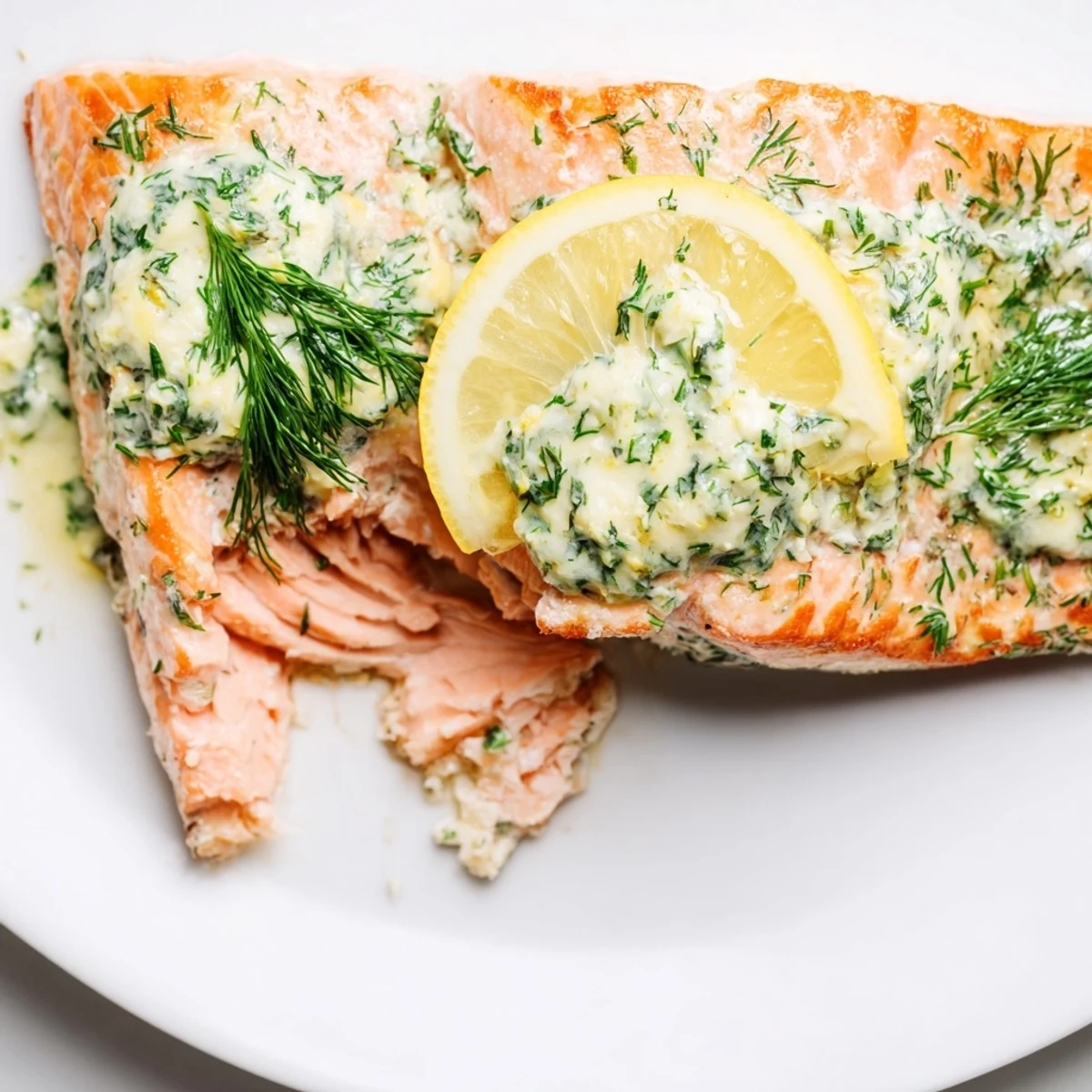
 This dish features skinless salmon fillets baked with olive oil, salt, and pepper, then topped with a melted dill butter blend. The butter combines softened butter, fresh dill, lemon zest, garlic, and salt to create a fragrant, rich topping. Baking takes less than 15 minutes, making it a quick and simple option to highlight fresh flavors. Serve with lemon slices and optional dill garnish for a light, elegant main course perfect for pescatarian diets and gluten-free menus.
The first time I made this was on a random Tuesday night when my partner mentioned they'd had an awful day at work. I wanted something that felt special but wouldn't stress me out in the kitchen, so I pulled out salmon fillets and started whisking butter with fresh dill. Twenty minutes later, we were eating something so elegant it felt like a small act of kindness served on a plate. Since then, this recipe has become my go-to when I want to feel like I'm taking care of someone without breaking a sweat.
I'll never forget serving this to my mom on Mother's Day, plated with lemon wedges and fresh dill sprinkled on top. She took one bite and asked if I'd taken a cooking class, which made me laugh because the whole thing came together in my small apartment kitchen with barely any counter space. That moment reminded me that the best meals aren't about technique or fancy equipment, they're about the care that goes into them.
Ingredients
- Salmon fillets: Look for fillets that are bright pink and smell like the ocean, not fishy. They should be uniform in thickness so they cook evenly.
- Olive oil: Good olive oil makes a real difference here, bringing out the salmon's natural sweetness as it bakes.
- Kosher salt and black pepper: These humble seasonings let the fish shine, so don't skip them or use table salt, which tastes harsh by comparison.
- Lemon: Fresh lemon adds brightness that cuts through the richness of the butter and complements the dill.
- Unsalted butter: Softened butter is key because it mixes easily with the dill and garlic without becoming greasy.
- Fresh dill: This is the star of the show, so use fresh dill if you can find it. The flavor difference from dried is night and day.
- Lemon zest: A zester gives you delicate strands of flavor that distribute better than grating, though both work in a pinch.
- Garlic: Just one small clove keeps the butter subtle and sophisticated instead of overwhelming.
Instructions
- Get your oven ready:
- Preheat to 400°F and line your baking sheet with parchment paper, which makes cleanup easier and prevents sticking. If you're using a well-seasoned cast iron, you can skip the parchment.
- Dry your salmon:
- Pat the fillets with paper towels until they're completely dry. This sounds finicky, but dry salmon browns better and tastes crisper.
- Season and oil:
- Lay the fillets on your sheet, drizzle with olive oil, and sprinkle salt and pepper evenly. Don't be shy with seasoning the top, but remember the dill butter adds saltiness too.
- Add lemon:
- Place one lemon slice on each fillet. It'll perfume the salmon as it bakes and infuse it with subtle citrus.
- Bake until just cooked:
- Slide into the oven for 12 to 15 minutes. The salmon is done when it flakes easily with a fork and the flesh is opaque but still moist inside. Don't overbake or it'll dry out.
- Make the dill butter:
- While the salmon bakes, mash softened butter with fresh dill, lemon zest, minced garlic, and a pinch of salt in a small bowl. Use a fork and really work it until everything is evenly distributed.
- Top and serve:
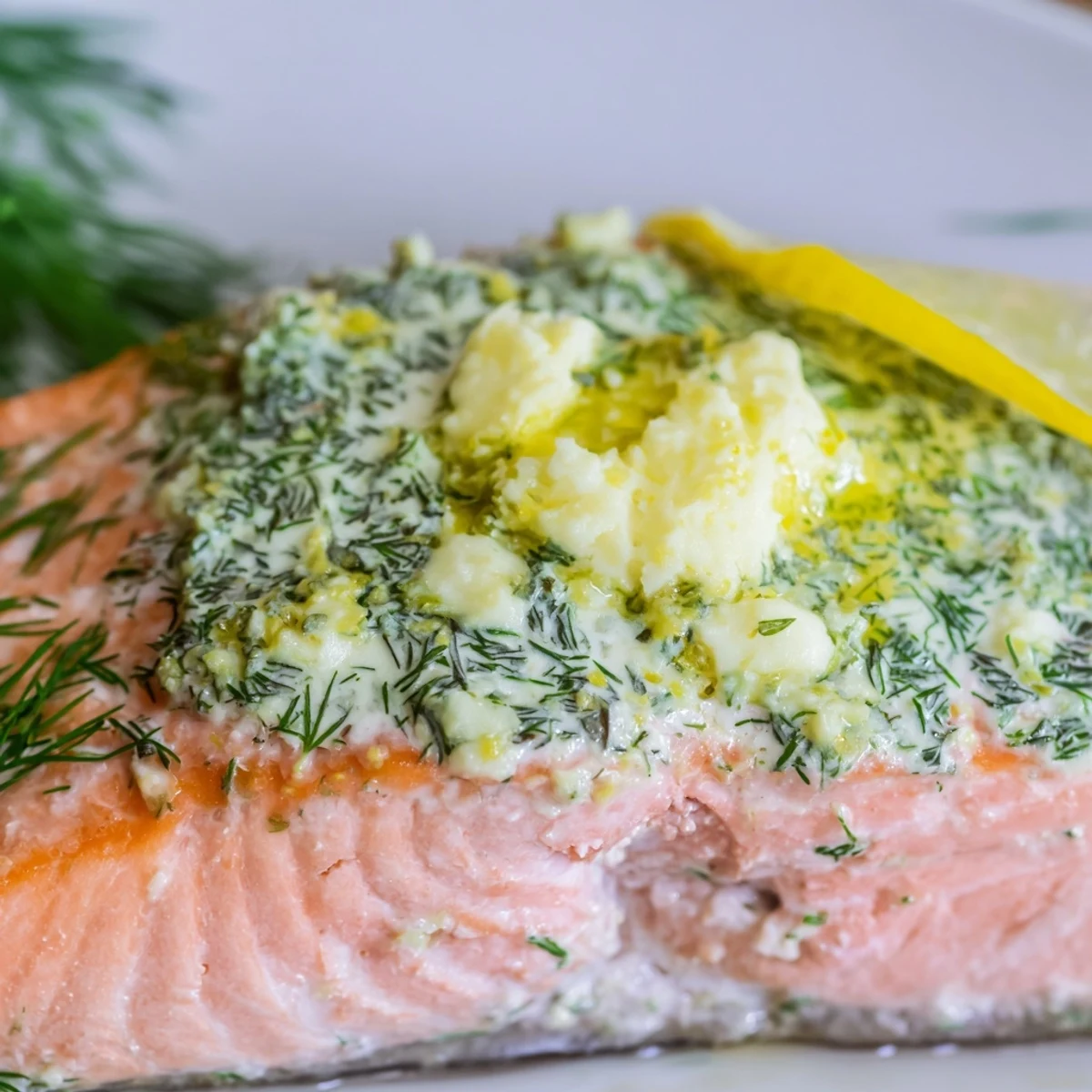
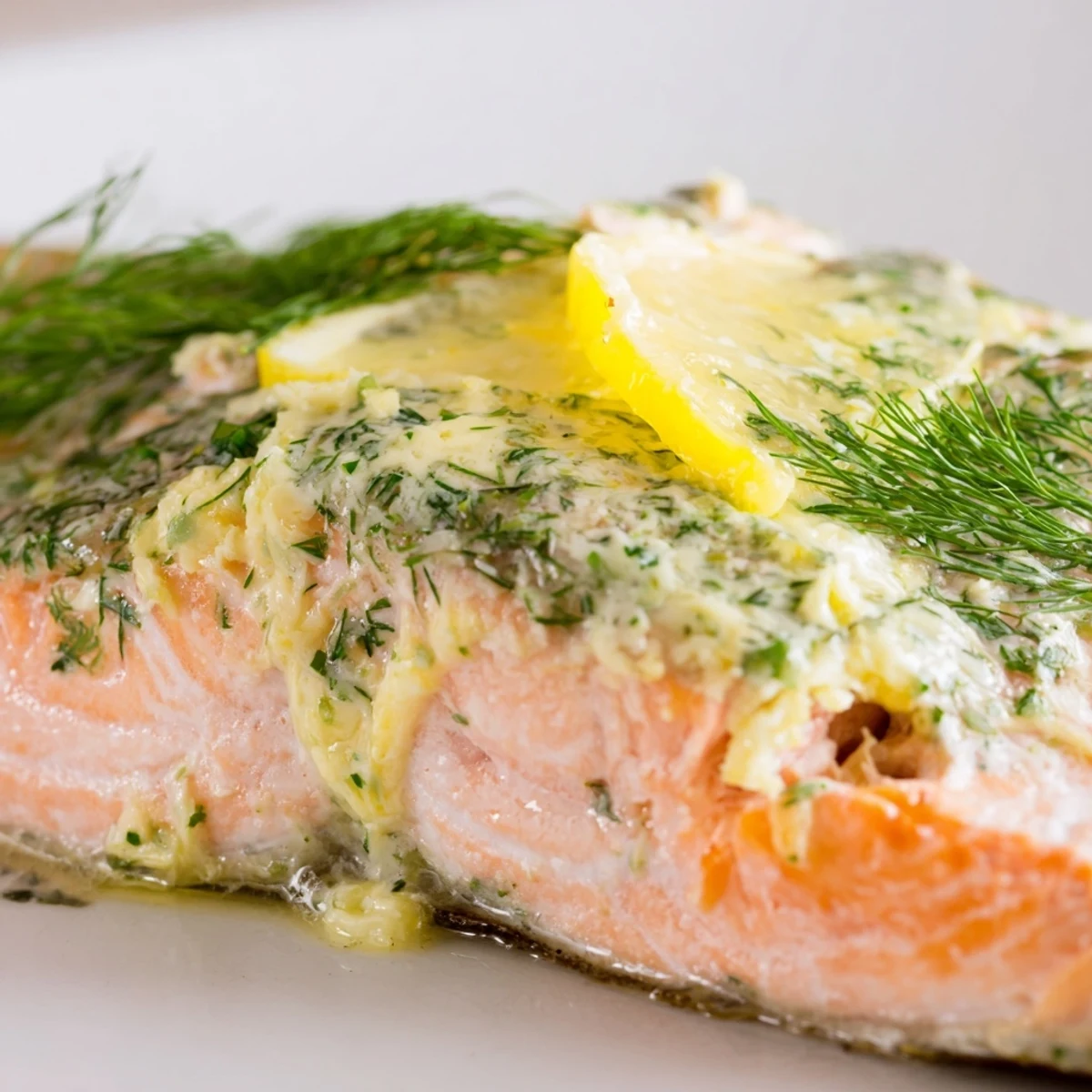
- Pull the hot salmon from the oven and immediately crown each fillet with a generous dollop of dill butter. Watch as it melts into golden rivulets over the fish, then serve right away.
 Pin it
 My neighbor once asked what smelled so good coming from my kitchen, and when I invited her over for salmon night, it became a standing Thursday tradition for us. Something about sharing food this simple yet delicious built a friendship I wouldn't have predicted from a recipe card.
Choosing Your Salmon
Not all salmon is created equal, and I learned this the hard way after buying pale, thin fillets that cooked in 8 minutes instead of the promised 15. Now I look for fillets that are firm to the touch, bright in color, and smell clean like the ocean. Wild salmon has a deeper flavor and firmer texture, while farmed salmon is milder and fattier in a way that works beautifully with the dill butter.
The Dill Butter Secret
The magic of this dish lives entirely in that butter. I once tried making it with dried dill when I ran out of fresh, and the result felt one-dimensional and sad. Since then, I keep fresh dill in my fridge at all times, and I chop it right before mixing so it stays vibrant and aromatic. The garlic should be minced fine enough that it disappears into the butter rather than sitting as little chunks.
Serving and Pairing Ideas
This salmon sings alongside simple sides that don't compete with its flavors. I usually pair it with something green and something starchy to balance the richness of the butter. The lemon wedges on the side let people add extra brightness if they want it, which is a small detail that makes a difference.
- Steamed asparagus or roasted green beans bring freshness and crunch to the plate.
- Roasted potatoes or a simple rice pilaf soak up the melted butter and make the meal feel complete.
- A crisp white wine like Sauvignon Blanc or a light Pinot Grigio pairs beautifully without overpowering the delicate fish.
 Pin it
 This recipe proved to me that some of the most memorable meals don't come from complicated techniques or exhausting prep work. They come from respecting good ingredients and letting them speak for themselves.
Recipe FAQs
- → What temperature is best for baking the salmon?
-
Preheat the oven to 400°F (200°C) to achieve a perfectly cooked, flaky salmon.
- → How do I prepare the dill butter topping?
-
Mix softened unsalted butter with fresh chopped dill, lemon zest, minced garlic, and salt until well combined for a flavorful topping.
- → Can I use frozen salmon for this dish?
-
Yes, but ensure the salmon is fully thawed and patted dry before baking to maintain texture and flavor.
- → What sides pair well with this salmon dish?
-
Steamed asparagus, roasted potatoes, or a crisp white wine such as Sauvignon Blanc complement the flavors beautifully.
- → Is there a lighter alternative for the dill butter?
-
Substitute half the butter with Greek yogurt for a lighter, tangy variation without sacrificing creaminess.