
 Pin it
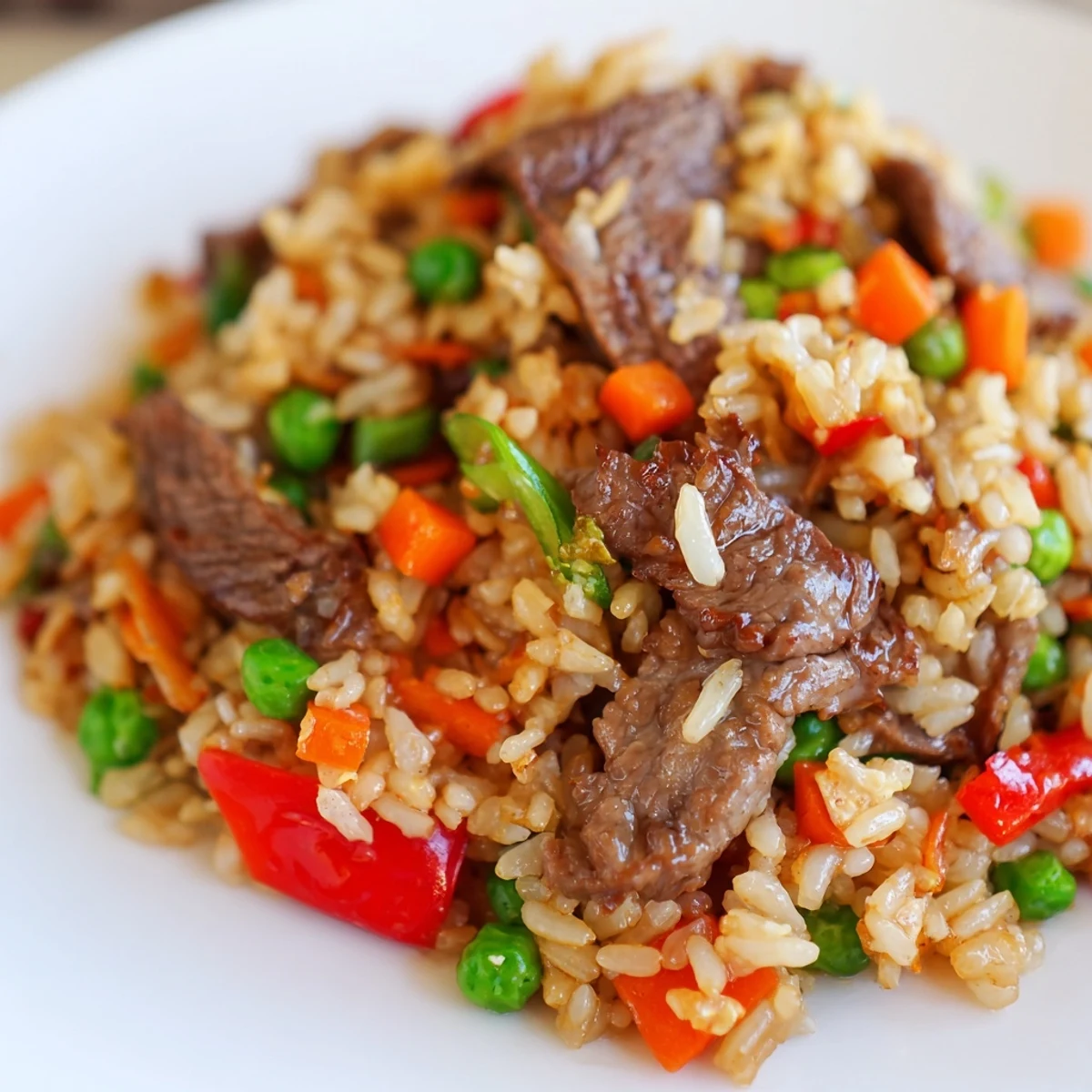
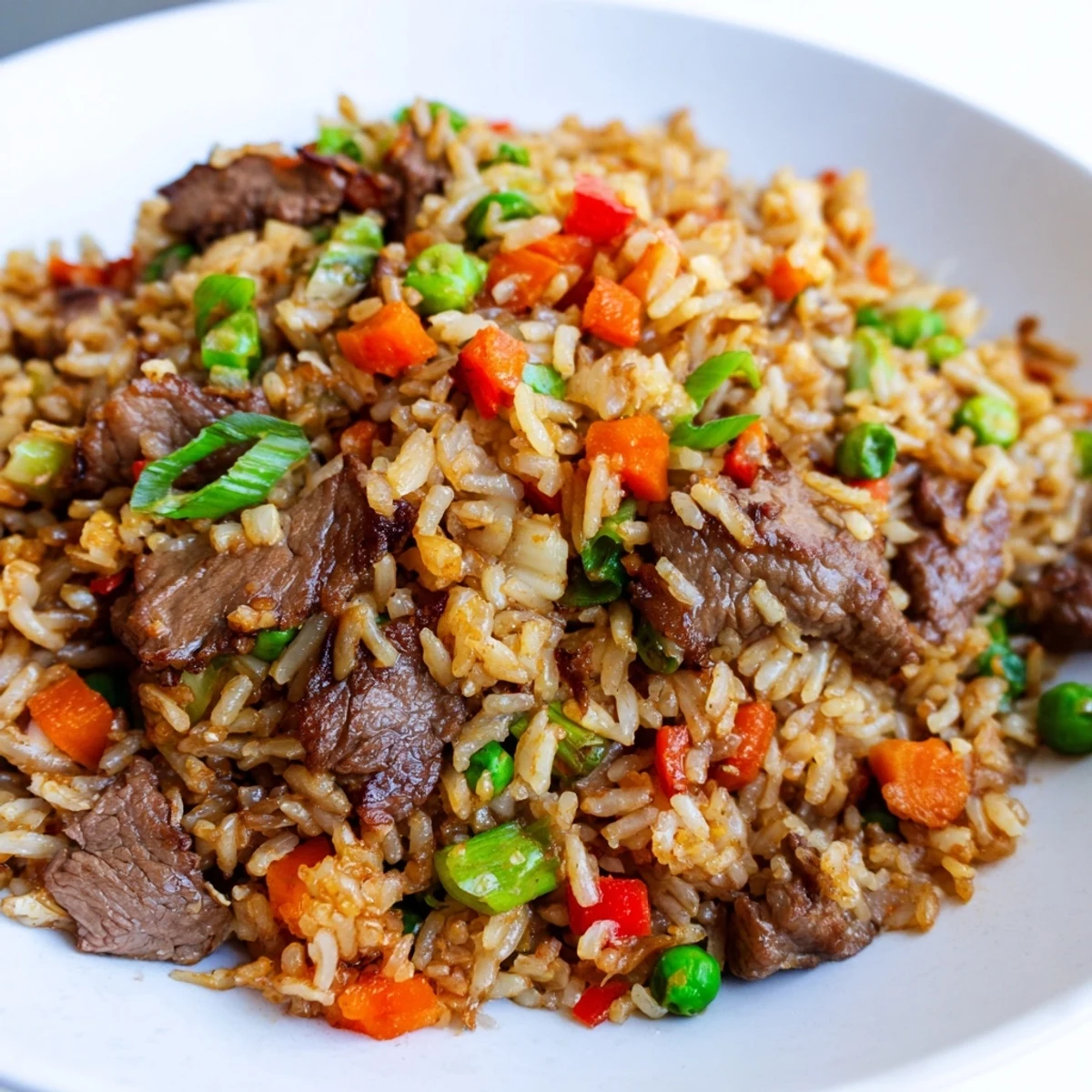
 This flavorful dish combines tender beef strips with a medley of fresh vegetables and fragrant, day-old jasmine rice. Marinated beef is quickly stir-fried, ensuring a juicy texture while vegetables add vibrant colors and crunch. The combination of soy and oyster sauces, balanced by toasted sesame oil and aromatic ginger and garlic, creates a rich, savory profile. Ideal for busy weeknights, it comes together swiftly in a hot wok, delivering a hearty, satisfying meal for four.
There's something about the sizzle of beef hitting a hot wok that makes everything else stop. I learned to make fried rice years ago when a friend's grandmother showed me her technique in a cramped Hong Kong kitchen, and what struck me most wasn't the ingredients but how she never rushed it, letting each component hit the pan with intention. Now whenever I'm in the mood for something that feels both comforting and exciting, this beef fried rice is my answer. It's the kind of dish that tastes like you've been cooking all day, even though it takes barely half an hour.
I made this for my partner on a Thursday night when neither of us had energy for anything complicated, and they asked for seconds before finishing their first plate. That's when I realized fried rice isn't just convenience food, it's proof that simple ingredients handled with care become something people actually want to eat again.
Ingredients
- Beef sirloin or flank steak, 300g thinly sliced: Thin slicing is everything here, it cooks in minutes and stays tender, and using day-old meat from the fridge actually works better than fresh.
- Soy sauce, 1 tbsp for marinade plus 2 tbsp for sauce: Don't skimp on quality soy sauce, the deeper flavor changes the whole dish.
- Cornstarch, 1 tsp: This tiny amount protects the beef from overcooking and keeps it silky inside the fried rice.
- Sesame oil, 1 tsp for marinade plus 1 tsp toasted for sauce: Toasted sesame oil smells incredible and makes everything taste more restaurant-quality.
- Black pepper, a pinch: Fresh cracked pepper matters more than you'd think in something this simple.
- Jasmine or long grain rice, 3 cups cooked and day-old: Cold, separated grains are absolutely essential, warm rice turns into mush no matter how hard you try.
- Carrot, 1 medium diced: The bright color and slight sweetness balance the savory beef and soy.
- Red bell pepper, 1 diced: This adds crunch and freshness that keeps the dish from feeling heavy.
- Green peas, 100g fresh or frozen: Frozen peas are honestly better here because they stay firm instead of turning to mush.
- Spring onions, 2 sliced with white and green parts separated: This separation matters, the white cooks down while green parts add fresh brightness at the end.
- Garlic, 2 cloves minced: Mince it fine so it distributes through the rice evenly.
- Fresh ginger, 1 tbsp minced: This is what people taste and wonder about, don't skip it.
- Oyster sauce, 1 tbsp: It adds depth and a savory note you can't replicate any other way.
- White pepper, 1/2 tsp optional: It brings heat without the black speckles, making the texture feel more refined.
- Vegetable oil, 2 tbsp: High heat cooking needs oil with a high smoke point, so choose neutral oil you trust.
Instructions
- Marinate the beef:
- Mix your sliced beef with soy sauce, cornstarch, sesame oil, and pepper in a bowl and let it sit for 10 minutes while you prep everything else. This little wait transforms the texture completely.
- Sear the beef quickly:
- Get your wok screaming hot, add 1 tablespoon oil, and when it shimmers almost smoke-like, add the beef in a single layer and let it sit for 30 seconds before stirring. You want color and a slight crust, not gray meat.
- Build your flavor base:
- Remove the beef to a plate, add the remaining oil, then immediately hit it with garlic, ginger, and the white parts of spring onions. The wok will smell like a restaurant kitchen in seconds.
- Cook the vegetables:
- Add carrots and bell pepper and keep the motion going for 2 minutes so they stay crisp, then add peas and cook another minute until just heated through.
- Combine everything with the rice:
- Break up any clumps of rice with your spatula as you add it to the wok, stirring constantly for 2 to 3 minutes until it's heated all the way through and starting to pick up color from the pan.
- Bring it all together:
- Return the beef, drizzle in all your sauces and sesame oil, and toss everything for about 2 minutes so every grain gets coated and the beef warms back up.
- Finish with green onions:
- Stir in the green parts of the spring onions right before serving so they stay bright and add a fresh contrast to the warm rice.
 Pin it
 I remember my mom tasting this version and saying it reminded her of the night markets in Taiwan, which meant everything to me because she's my toughest critic. That moment made me understand that fried rice isn't just about feeding people, it's about bringing them a memory or a feeling with every bite.
Why Day-Old Rice Changes Everything
The first time I made fried rice with fresh warm rice, it stuck together in clumps and tasted more steamed than fried, and I almost gave up on the whole dish. Then a chef friend explained that moisture is the enemy of crispy rice, and that's when it clicked. Now I always cook rice the night before, spread it on a sheet pan to cool, and store it in the fridge so the grains dry out and stay separate when they hit the hot wok.
The Art of High-Heat Wok Cooking
Wok cooking feels intimidating until you realize it's actually simpler than regular stovetop cooking because everything happens so fast you don't have time to overthink it. The key is having everything prepped and within arm's reach before you turn on the heat, then committing to quick, confident movements. Once you've done this a few times, your hands start to understand the rhythm better than your brain does.
Making It Your Own
This recipe is flexible in the best way, the beef can easily become chicken, shrimp, or crispy tofu depending on what you're craving or what's in your fridge. I've also scrambled eggs into it, drizzled chili sauce across the top, and even added frozen corn when I was out of everything else. The real magic is in the technique and the soy-oyster sauce combination, so play around with proteins and vegetables and see what your kitchen speaks to.
- Scrambled eggs folded in at the end add richness and protein without changing the cooking method.
- A dash of chili sauce or fresh minced chili adds heat without overwhelming the delicate balance of flavors.
- Frozen vegetables work just as well as fresh and sometimes save you time on prep without sacrificing taste.
 Pin it
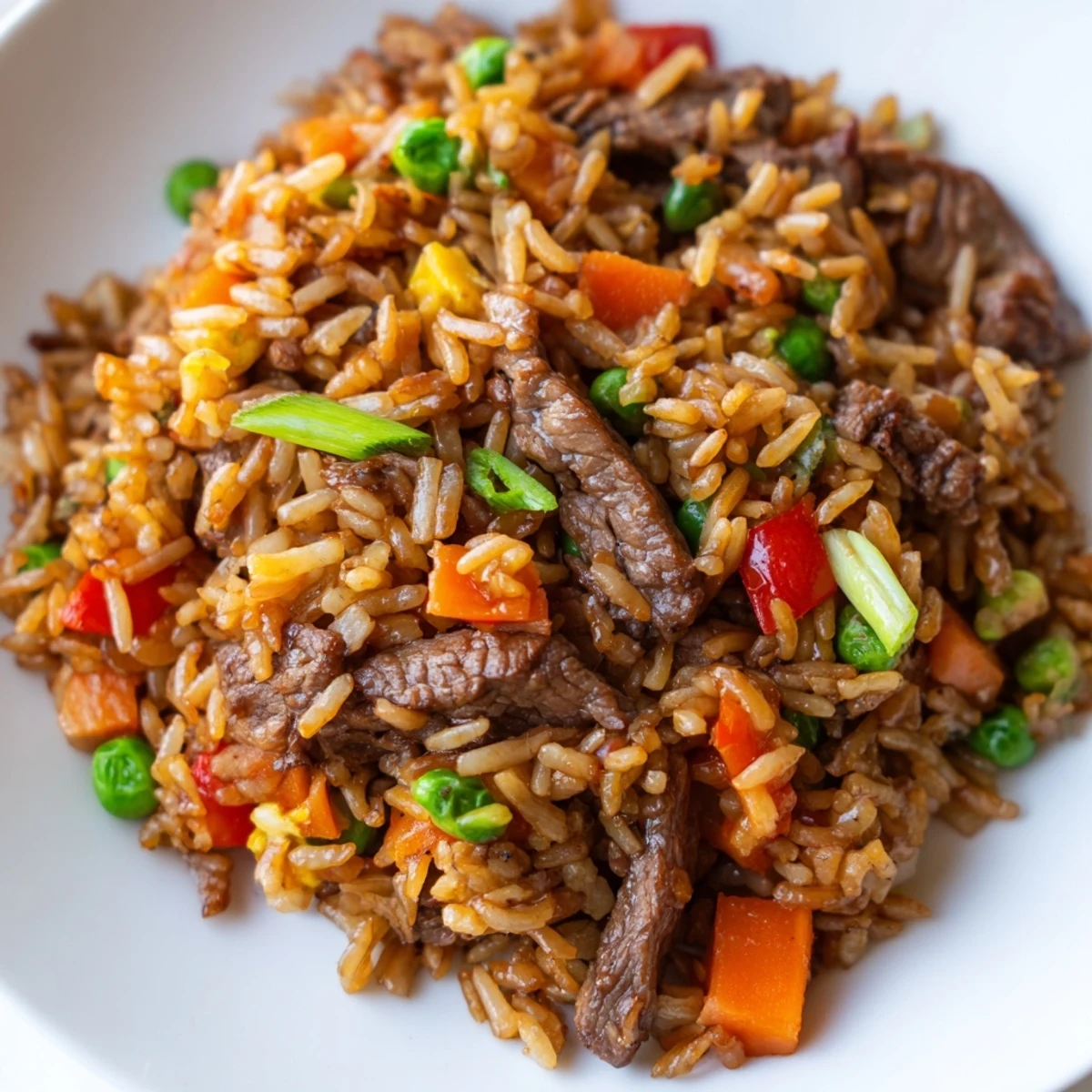
 This beef fried rice taught me that the most satisfying meals don't require fancy techniques or hard-to-find ingredients, just intention and the willingness to keep the heat high. It's become my go-to proof that simple food cooked with care is worth making again and again.
Recipe FAQs
- → What cut of beef works best for this dish?
-
Thinly sliced sirloin or flank steak is preferred for quick, tender cooking and absorbing marinades well.
- → Why use day-old rice instead of freshly cooked?
-
Day-old rice has less moisture, preventing clumping and allowing easier stir-frying with a better texture.
- → Can I substitute vegetables based on availability?
-
Absolutely, feel free to swap or add veggies like snap peas, broccoli, or mushrooms for variety and seasonal freshness.
- → How do the sauces enhance the flavor?
-
Soy and oyster sauces provide umami richness and depth, while toasted sesame oil adds a nutty aroma, balancing the dish.
- → What’s the best way to prevent beef from overcooking?
-
Stir-fry beef quickly over high heat, removing it before fully cooked, then reintroduce it at the end to maintain tenderness.
- → Is this dish suitable for dairy-free diets?
-
Yes, it contains no dairy ingredients, making it safe for dairy-free preferences.