
 Pin it
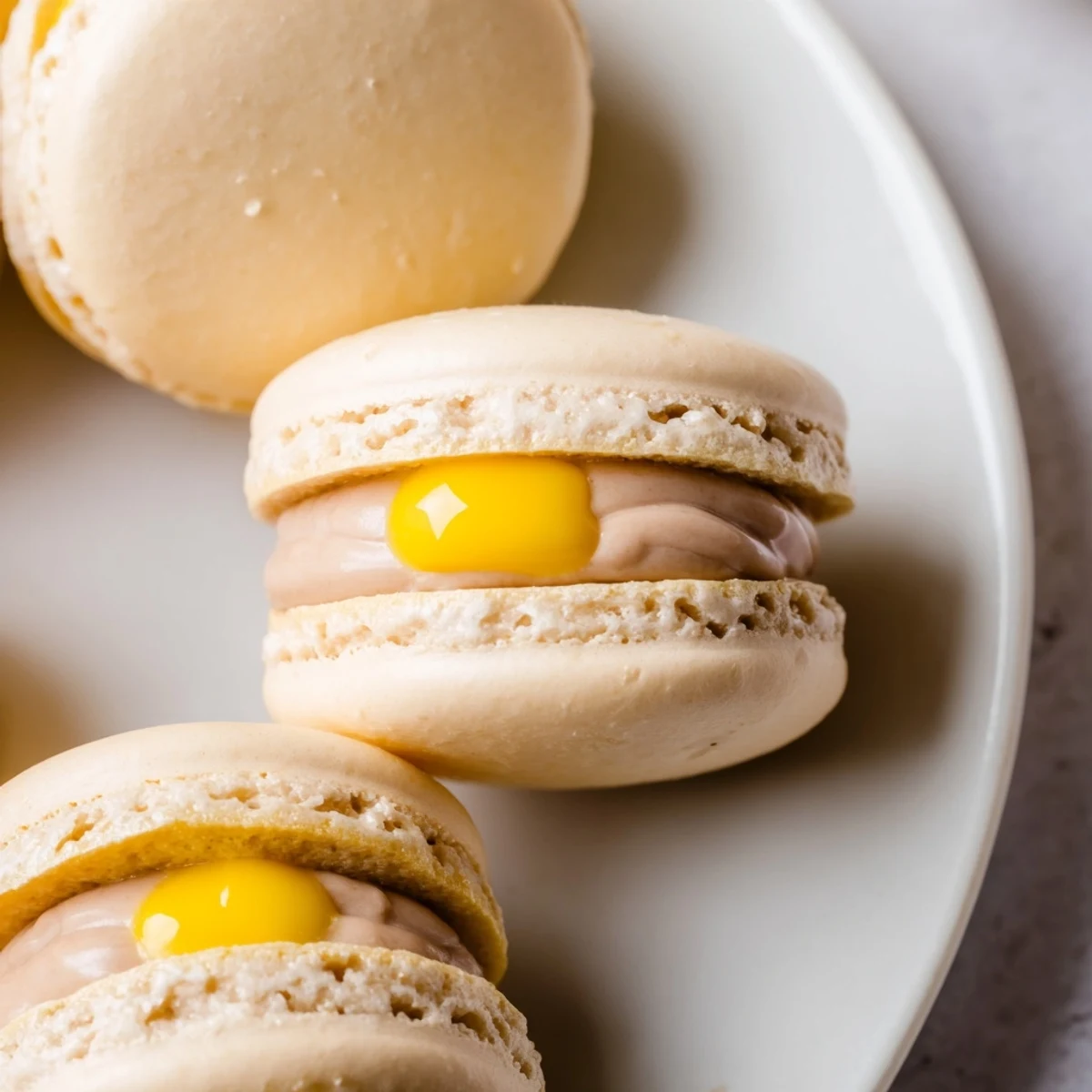
 These delicate French confections feature crisp almond shells sandwiching a luscious chocolate ganache inspired by Cadbury Creme Eggs. The signature filling combines milk chocolate with heavy cream and golden syrup, creating that unmistakable creamy center. A portion of the filling is tinted yellow to mimic the iconic egg yolk, giving each bite an authentic Cadbury experience.
The process requires attention to detail—proper macaronage technique ensures the characteristic smooth tops and ruffled feet. After piping and resting, the shells bake until they develop that signature crisp exterior and chewy interior. The final assembly creates stunning two-tone centers that look beautiful on any Easter dessert spread.
These treats truly shine after resting overnight, allowing flavors to mature and textures to soften into that perfect macaron consistency. Store them properly and they'll last up to five days in the refrigerator, though they rarely last that long once guests discover them.
The first Easter I attempted these, my kitchen looked like a pastel explosion had interrupted a chemistry experiment. I'd never made macarons before, but something about combining fussy French technique with nostalgic Easter candy felt like a brilliant idea at 11pm on a Tuesday. My roommate walked in, surveyed the almond flour dusting every surface, and asked if I'd started a bakery or just given up on cleaning entirely.
Last year I made three dozen for my niece's egg hunt and watched her face light up when she bit into that first one and saw the yellow center. The adults were hovering around the dessert table pretending not to be impressed while secretly going back for seconds. There's something about seeing that familiar cream egg effect in such a delicate French cookie that feels like rediscovering a childhood treasure in the most sophisticated way possible.
Ingredients
- Almond flour: The finer the better here, any coarse bits will show up as lumps in your smooth shells so sift twice if you want that professional bakery look
- Powdered sugar: This isn't just for sweetness, it helps create that signature macaron shell texture that gives way beautifully when you bite down
- Egg whites: Room temperature is non negotiable, I learned this the hard way when cold whites refused to whip into those glossy peaks we need
- Granulated sugar: Adding it gradually while whipping creates that stable meringue structure that holds everything together
- Cream of tartar: This little pinch is insurance for your meringue, helping those whites reach their full potential and stay there
- Cadbury Dairy Milk: Using the real thing matters here, that particular creamy chocolate flavor is what makes the filling taste like Easter nostalgia
- Heavy cream: Room temperature cream combines more smoothly with the chocolate, preventing any seizing that would ruin your glossy ganache
- Golden syrup: This keeps the filling soft and fudgey instead of hardening like a traditional ganache would
- Unsalted butter: Room temperature butter blends into the chocolate mixture creating that silky pipeable consistency
Instructions
- Prepare your station:
- Line two baking sheets with parchment paper or silicone mats and fit a pastry bag with a 1/2-inch round tip, having everything ready before you start whipping prevents that panicked scrambling once your meringue is ready
- Sift the dry ingredients:
- Sift together almond flour and powdered sugar twice, pressing any stubborn bits through the mesh, this extra step is what gives macarons their satiny smooth finish
- Whip the meringue:
- In a completely clean dry bowl whisk egg whites and cream of tartar until soft peaks form, then gradually add granulated sugar while continuing to whip until you have stiff glossy peaks that hold their shape when you lift the whisk
- Macaronage technique:
- Gently fold the almond flour mixture into the meringue in three separate additions, using a spatula to scrape around the edges and fold through the center until the batter flows slowly off your spatula in thick ribbons like magma
- Add color if desired:
- Tint a third of the batter with yellow gel coloring for that egg yolk effect or use pastel shades for Easter, working quickly as overmixing at this stage will ruin everything
- Pipe the shells:
- Transfer batter to your prepared pastry bag and pipe 32 rounds about 1.5 inches each onto the baking sheets, holding the bag perpendicular to the pan and applying even pressure
- Rest the shells:
- Firmly tap each tray against the counter several times to release trapped air bubbles, then let the shells rest at room temperature for 30 to 60 minutes until the surface is completely dry to the touch
- Bake to perfection:
- Preheat oven to 150°C (300°F) and bake for 13 to 15 minutes, rotating the pans halfway through, the macarons are done when they easily lift off the mat without sticking
- Make the filling:
- Heat heavy cream until just simmering, pour over chopped chocolate and let sit for 2 minutes, then stir until smooth, add golden syrup and butter mixing until glossy and divide a quarter to tint yellow
- Assemble the surprise:
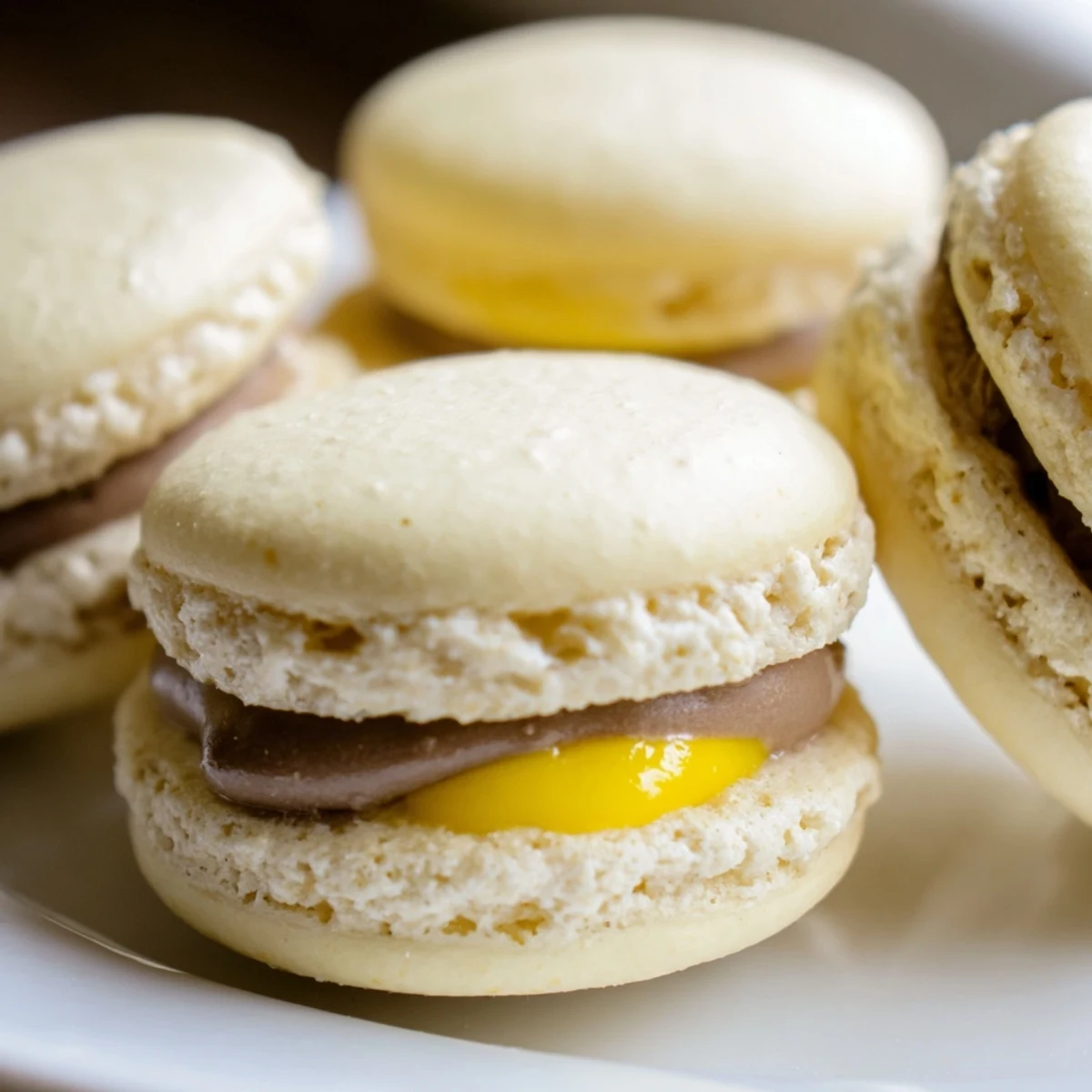
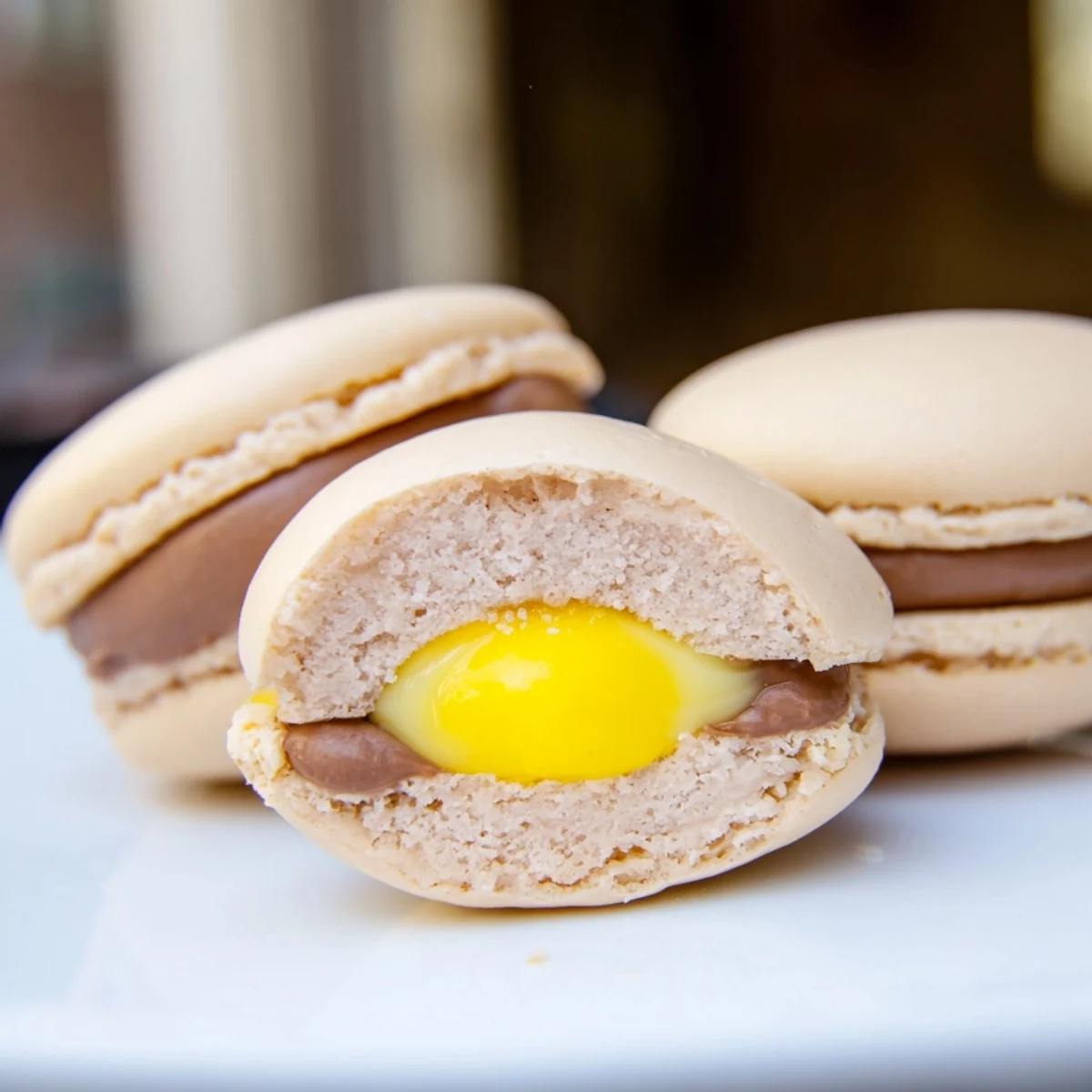
- Pipe a ring of chocolate filling on one shell, add a small dollop of yellow filling in the center for that yolk effect, then gently press another shell on top until the filling reaches the edges
 Pin it
 My sister-in-law still talks about the Easter brunch I brought these to three years ago. She'd never had a macaron before and kept asking if I'd really made something so fancy looking. Watching her discover the yellow center was like seeing a kid find a hidden treasure, she actually gasped and immediately demanded the recipe. Now they're requested for every family gathering, spring or not.
Getting That Perfect Shell
The difference between a macaron that looks like it came from a Parisian bakery and one that looks like a failed science experiment is often just how well you've folded the batter. I learned to stop when the batter flows like slow moving lava, any further and you'll have flat spreading cookies that never develop their signature feet. Practice your macaronage on a plain batch first before attempting colored ones.
The Filling Science
What makes this filling special is that golden syrup, it keeps the chocolate soft and creamy instead of setting up hard like traditional ganache would. The butter also helps create that pipeable consistency that's essential for assembly. I've tried skipping either ingredient and the result is always disappointing, so follow this part precisely for that authentic Cadbury texture.
Storage and Serving
These actually improve with age, so making them a day or two ahead is never a bad idea. The shells soften slightly and absorb some of the filling moisture, creating that perfect chewy-give texture that defines a great macaron.
- Let assembled macarons come to room temperature for 20 minutes before serving, the filling tastes more pronounced and the texture is ideal
- If you're storing them longer than 24 hours, place parchment paper between layers in your container to prevent sticking
- These freeze beautifully for up to a month, just thaw in the refrigerator overnight before serving
 Pin it
 There's something deeply satisfying about serving something that looks so impressive but tastes like pure childhood joy. These macarons have become my signature spring dessert, and every time I watch someone discover that yellow center I remember why baking is about so much more than just food.
Recipe FAQs
- → Why do my macaron shells crack during baking?
-
Cracking typically occurs when shells haven't developed a proper skin during the resting period. Let piped rounds sit for 30-60 minutes until the surface is completely dry to touch. This forms a protective membrane that allows steam to escape properly while baking.
- → Can I make the filling ahead of time?
-
Absolutely. The chocolate ganache filling can be prepared up to 24 hours in advance and stored in the refrigerator. When ready to assemble, let it soften slightly at room temperature for easier piping. The yellow 'yolk' portion should also be prepared and chilled separately.
- → Why is resting macarons overnight recommended?
-
The 24-hour resting period allows moisture from the filling to redistribute into the shells, softening them slightly and creating that characteristic chewy interior. This process, called maturation, also allows flavors to meld together for a more balanced taste.
- → What's the purpose of golden syrup in the filling?
-
Golden syrup adds sweetness while helping create that smooth, creamy texture reminiscent of Cadbury Creme Eggs. It also helps stabilize the ganache, giving it the perfect consistency for piping and prevents the filling from becoming too firm when chilled.
- → How can I tell if my batter has been mixed correctly?
-
The batter is ready when it flows in thick, continuous ribbons off your spatula and the ribbons dissolve back into the batter within about 20 seconds. Over-mixed batter will spread too flat, while under-mixed batter will have peaked tops and no feet.
- → Can I freeze assembled macarons?
-
Yes, assembled macarons freeze beautifully for up to 3 months. Place them in an airtight container with parchment paper between layers. Thaw in the refrigerator for several hours before serving, then bring to room temperature for the best texture and flavor.