
 Pin it
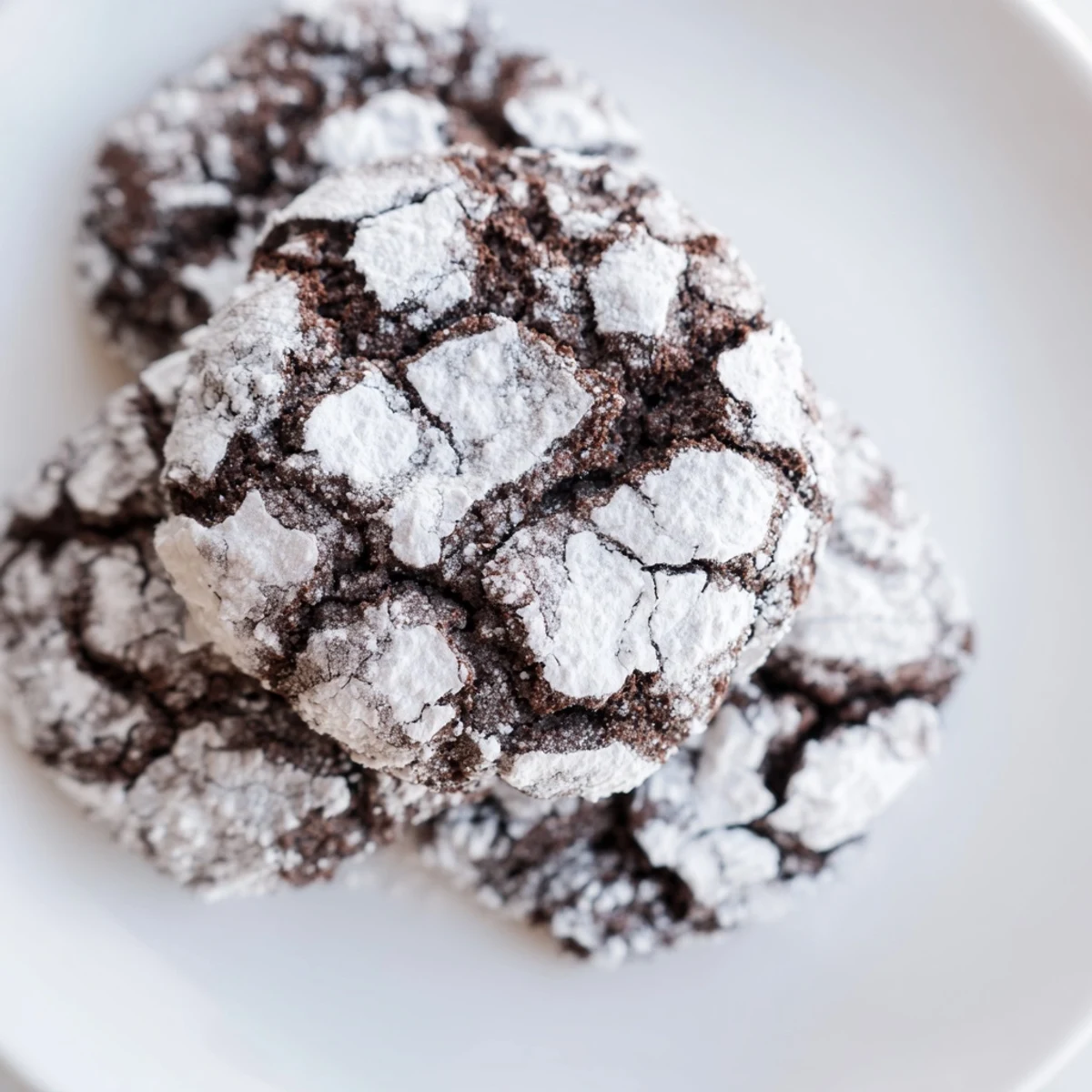
 Experience the delight of fudgy chocolate crinkle cookies featuring a crackled powdered sugar coating. Made with cocoa powder, vanilla, and simple wet and dry ingredients, these cookies achieve a perfect chewy texture by chilling the dough before baking. Rolling dough balls generously in powdered sugar creates the signature crackled appearance. Easy to prepare and bake, they offer a rich chocolate flavor that melts in your mouth. Ideal for satisfying dessert cravings or sharing with friends and family.
There's something about chocolate crinkle cookies that stops me mid-afternoon—that particular moment when you catch the scent of cocoa baking and can't help but peek into the oven. I discovered these years ago when a friend brought them to a potluck, and I watched people reach for a second one before they'd even finished the first. The way the powdered sugar cracks as the cookie bakes, revealing that fudgy chocolate beneath, became my own kitchen ritual.
I made these once when my sister was visiting unexpectedly, and we ended up sitting at the kitchen table at eleven at night eating warm cookies straight off the cooling rack while she told me about her day. The powdered sugar dusted her sleeve and we both kept laughing about it—those cookies became less about the recipe and more about that particular kind of presence you only get late at night with someone you love.
Ingredients
- All-purpose flour (1 cup): This gives the cookies their structure without making them dense—I've learned it's worth measuring by weight if you have a scale, since it eliminates guesswork.
- Unsweetened cocoa powder (1/2 cup): Don't reach for hot cocoa mix here; it needs to be the real thing, dark and slightly bitter, which is what creates that fudgy depth.
- Baking powder (1 teaspoon): This is your subtle lift, helping the dough rise just enough so the cookies crack beautifully as they cool.
- Salt (1/4 teaspoon): A pinch of salt makes the chocolate taste even more like chocolate—never skip it.
- Granulated sugar (1 cup): This sweetens the dough and creates the tender crumb you're after.
- Vegetable oil (1/4 cup): Oil keeps these cookies moist and chewy longer than butter would; they'll still be soft on day three.
- Large eggs (2): These bind everything together and add richness—room temperature eggs mix more smoothly, though it's not a dealbreaker.
- Vanilla extract (1 teaspoon): Pure vanilla is worth the extra cost; it rounds out the chocolate without competing with it.
- Powdered sugar (1/2 cup): This is your coating magic—roll generously, and it'll crack as the cookies bake, creating those beautiful lines.
Instructions
- Combine the dry base:
- Whisk together flour, cocoa powder, baking powder, and salt in a medium bowl until there are no cocoa lumps hiding in the corners. I like to whisk longer than seems necessary because cocoa powder loves to clump.
- Mix the wet mixture:
- In a large bowl, beat sugar and oil together until they're combined and slightly lighter in color—this takes about a minute. Add eggs one at a time, letting each one fully incorporate before adding the next, then stir in vanilla.
- Bring it together:
- Gradually fold the dry ingredients into the wet mixture, stirring until a thick, rich dough forms. Don't overmix; you just want everything combined.
- Chill the dough:
- Cover the bowl and refrigerate for at least 2 hours, or overnight if you have the time. This step isn't optional—cold dough rolls easily and bakes more evenly.
- Prepare for baking:
- Preheat your oven to 350°F and line two baking sheets with parchment paper. This keeps cleanup simple and ensures even baking.
- Shape and coat:
- Scoop tablespoon-sized portions of dough and roll them into balls between your palms—they don't need to be perfect. Roll each ball generously in powdered sugar until it's completely coated, like you're building a little snow globe.
- Space them out:
- Place coated balls 2 inches apart on your prepared sheets because they'll spread slightly as they bake and you don't want them merging into one giant cookie.
- Bake until set:
- Bake for 11 to 13 minutes until the cookies are set on the outside but still soft in the centers—they should feel slightly underdone when you touch them. This is where the magic happens: the exterior firms up while the inside stays fudgy.
- Cool with patience:
- Let them sit on the baking sheets for 5 minutes to firm up slightly, then transfer to a wire rack to cool completely. They'll continue to set as they cool.
 Pin it
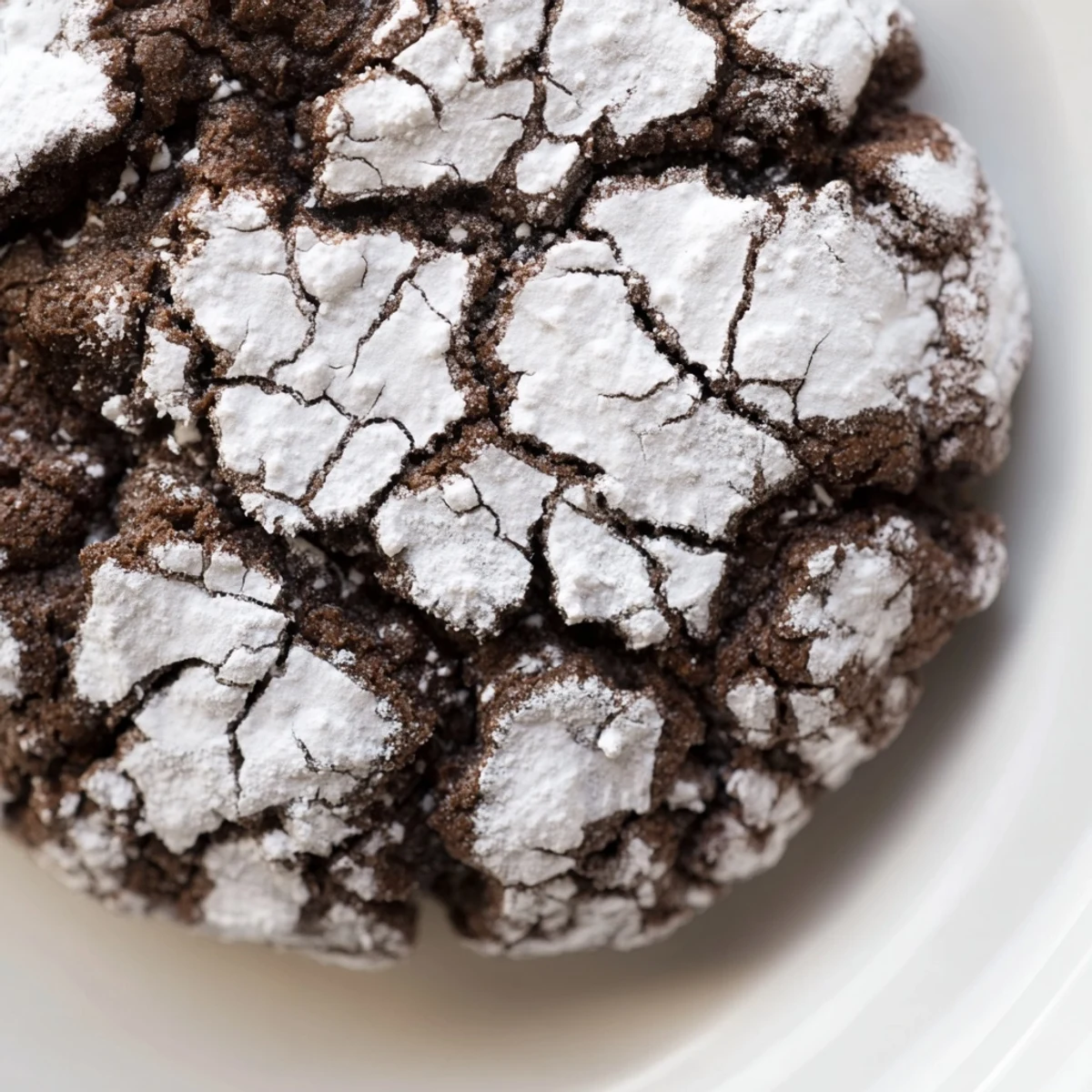
 There's a moment, about two minutes after pulling these from the oven, when the kitchen smells like pure chocolate and the cookies are just starting to crack on top—that's when I know I've nailed it. It's a small victory, but it's mine.
The Powdered Sugar Coat That Cracks
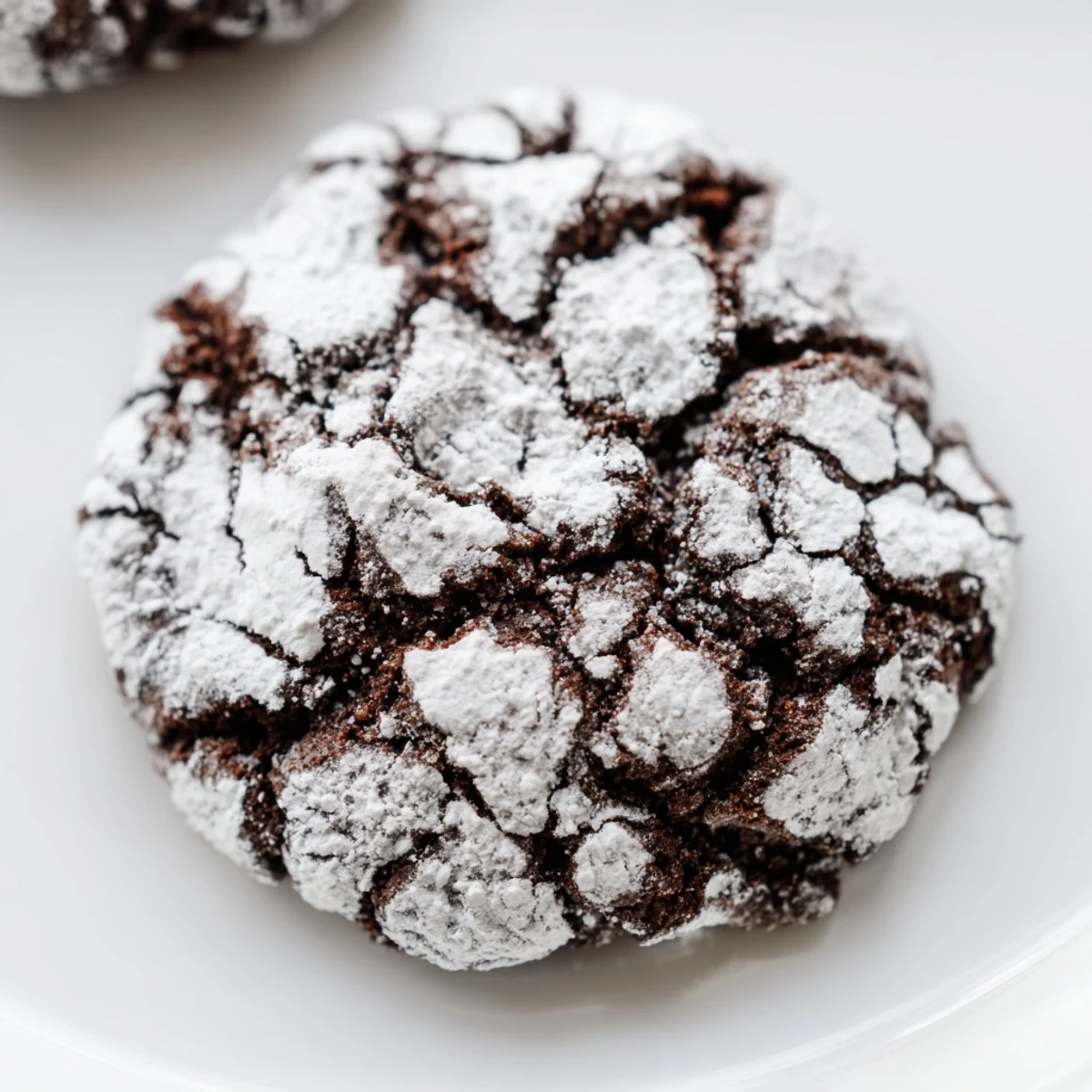
The powdered sugar isn't just decorative; it's actually part of the texture of these cookies. As the dough expands in the heat, the sugar coating cracks and creates this beautiful crackled surface that catches light and makes the cookies look more impressive than they actually are. I learned to be generous with the coating because a thin layer gets completely absorbed by the dough, whereas a thick one stays visible and actually enhances the final look.
Why Oil Instead of Butter
Oil keeps these cookies impossibly soft and chewy for days, whereas a butter-based version would harden up faster. There's a reason chocolate cake often uses oil—it's the secret to that tender, almost fudgy crumb. Plus, if you're pulling straight from a bowl and measuring, oil is easier to handle than cold butter.
Flavor Variations and Make-Ahead Options
Once you've made these once, you'll start thinking about how to personalize them. The base is forgiving and flexible, so small additions can take it in different directions without compromising the texture.
- Add 1/2 teaspoon espresso powder to the dry ingredients for a deeper, more complex chocolate flavor that doesn't taste like coffee.
- Fold in a handful of chocolate chips for a double chocolate version that's even more indulgent.
- Store in an airtight container at room temperature for up to 5 days, or freeze the unbaked dough balls for up to a month—bake straight from frozen, adding just a minute or two to the time.
 Pin it
 These cookies are the kind that disappear quickly and make people ask for the recipe—which is the highest compliment a dessert can get. I hope they bring you and whoever you're cooking for that same late-night moment of pure contentment.
Recipe FAQs
- → What makes these cookies fudgy?
-
The combination of cocoa powder, vegetable oil, and eggs creates a moist and chewy texture that gives these cookies their rich fudgy quality.
- → Why is chilling the dough important?
-
Chilling firms the dough, preventing spreading during baking and helping develop the distinct crackled surface when coated with powdered sugar.
- → How do I achieve the crackled powdered sugar coating?
-
Roll chilled dough balls generously in powdered sugar before baking; as they expand in the oven, the sugar cracks to reveal a contrast of dark chocolate and white sugar.
- → Can I add extra flavors to these cookies?
-
Yes, adding espresso powder intensifies the chocolate taste, and mixing in chocolate chips creates a double chocolate indulgence.
- → What is the best way to store these cookies?
-
Store the cookies in an airtight container at room temperature for up to five days to maintain freshness and chewiness.