
 Pin it
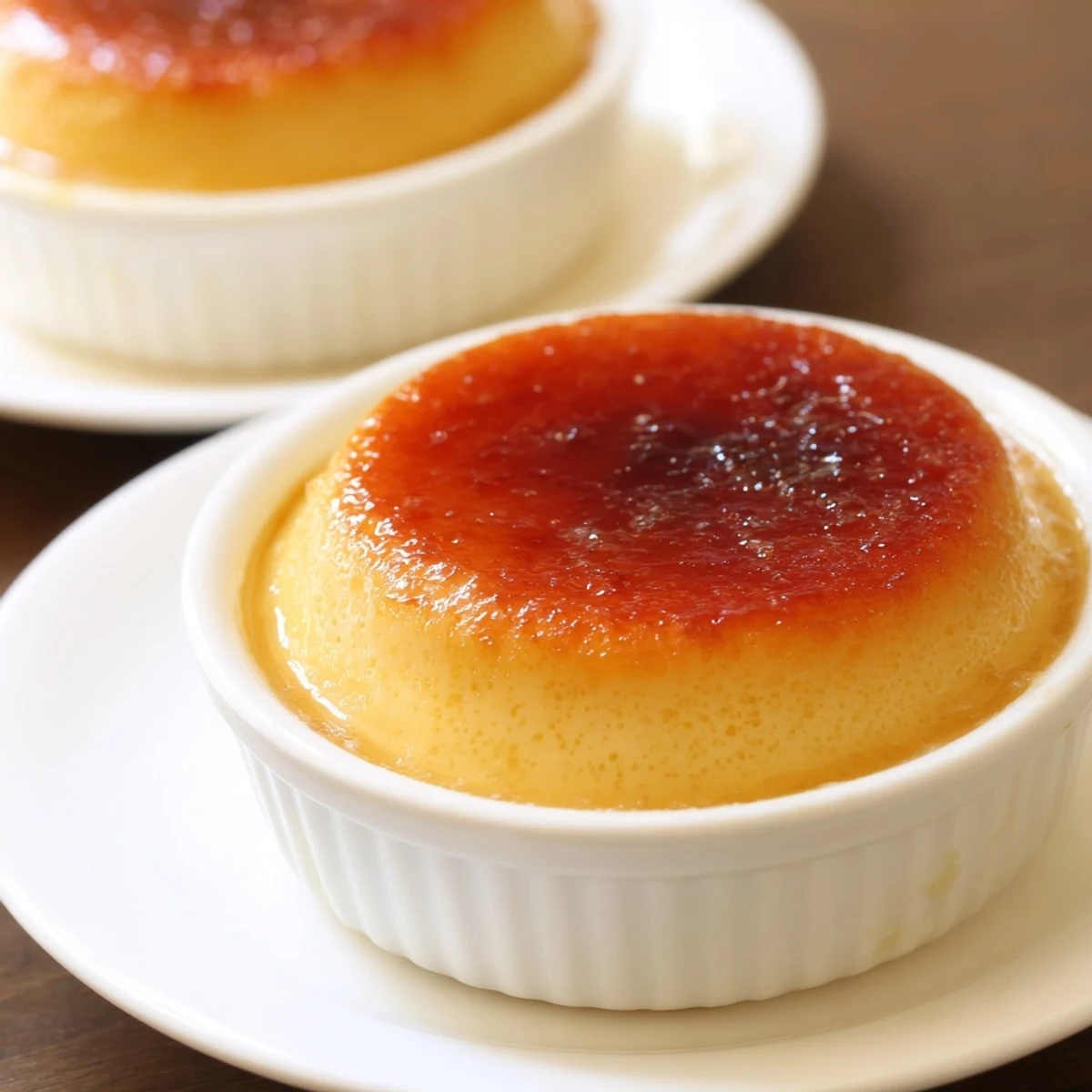
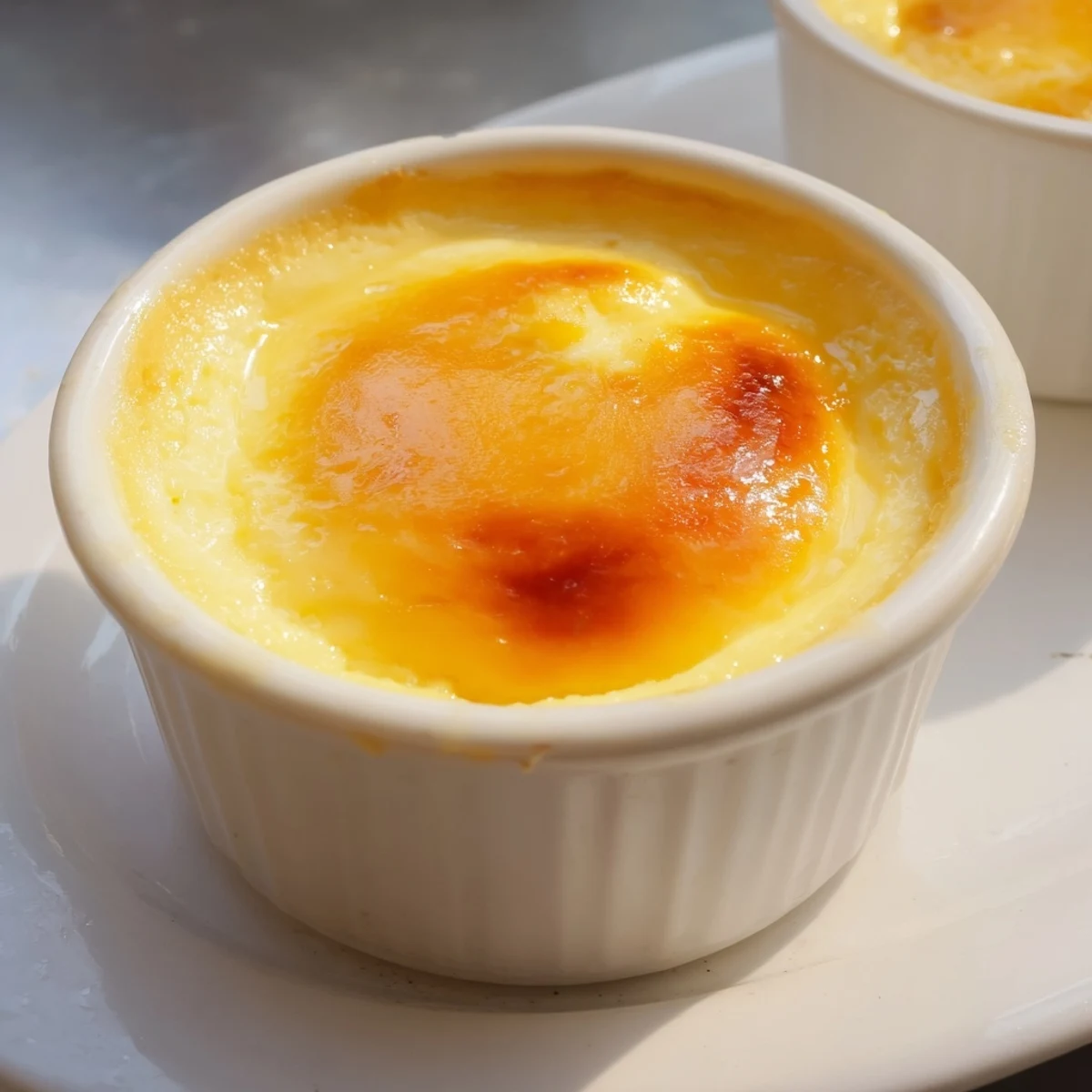
 This classic baked milk pudding creates a silky, comforting dessert with simple ingredients. The delicate vanilla aroma and golden caramelized top make it ideal for cozy evenings or as a refined finish to any meal. The custard sets beautifully in the oven water bath, resulting in a smooth texture with a slightly wobbly center when perfectly cooked.
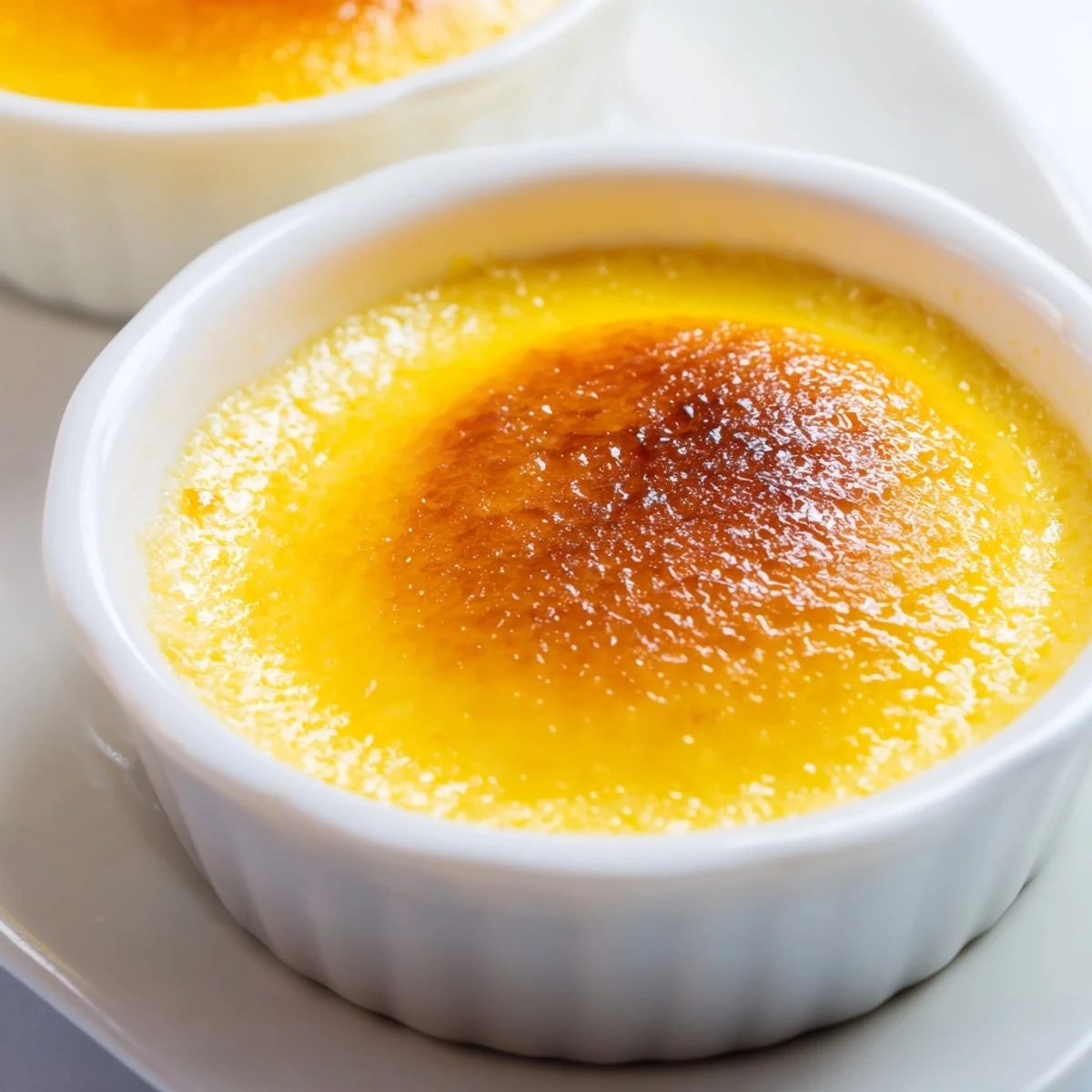
Using whole milk and heavy cream creates richness, while eggs and sugar form the custard base. The optional caramelized sugar topping adds visual appeal and a touch of sweetness. Serve warm for immediate enjoyment or chilled for a more set texture.
My grandmother made this milk pudding every Sunday, and the smell would drift through the entire house. I remember standing on a chair to watch her whisk the eggs into the warm milk, her hands moving with this practiced, gentle rhythm. She never used a thermometer, just her palm to test the temperature. Now whenever I make it, that vanilla scent takes me right back to her tiny kitchen with the floral wallpaper.
Last winter I made this for my partner when they had a terrible cold, and something about the warm, gentle custard was exactly what they needed. We ate it straight from the ramekins while watching old movies, and they told me it reminded them of being sick as a kid, but in the best possible way. Now it is our go-to comfort food whenever either of us needs a little extra care.
Ingredients
- 4 cups whole milk: The fat content is crucial here, skim milk just will not give you that velvety texture
- 1/2 cup heavy cream: This is what makes the pudding feel luxurious and rich
- 3 large eggs: Room temperature eggs incorporate better into the warm milk mixture
- 3/4 cup granulated sugar: This amount hits the sweet spot without becoming cloying
- 2 tsp vanilla extract: Pure extract makes a noticeable difference over imitation
- Pinch of salt: Just enough to make the vanilla flavor pop
- 2 tbsp extra sugar: For that caramelized crust on top, totally worth the extra step
Instructions
- Preheat your oven to 325F and butter your baking dish:
- I learned that a thorough coating of butter prevents any sticking and creates these lovely browned edges
- Heat the milk and cream together until steaming:
- Watch closely, you want steam rising but definitely no bubbles or boiling
- Whisk eggs with sugar, vanilla, and salt:
- Keep whisking until the mixture turns pale and slightly thickened, about 2 minutes
- Slowly combine warm milk into egg mixture:
- Pour in a thin stream while whisking frantically, this prevents scrambled eggs in your custard
- Strain through a fine sieve:
- This step catches any cooked egg bits and ensures the smoothest possible texture
- Set up your water bath and bake:
- The hot water bath protects the custard from cooking too fast and cracking
- Cool and caramelize if desired:
- Let it rest at least 15 minutes before serving, or chill completely for a firmer set
 Pin it
 My friend Sarah asked me to make this for her birthday dinner instead of cake, and I was honestly skeptical. But seeing everyone go quiet as they took their first bites, watching their eyes close involuntarily, I understood why she requested it. Sometimes the most understated desserts leave the deepest impression.
Making It Your Own
I have experimented with adding different flavors to the milk before combining it with the eggs. A cinnamon stick simmered in the milk creates this warm, spiced version that is perfect for autumn. Fresh lemon zest added at the very end brightens everything up for summer. The base recipe is so forgiving that these variations almost always work.
Perfecting The Water Bath
The water bath technique intimidated me for years, but it is actually simpler than it sounds. I pull the oven rack out partially, set the roasting pan on it, then carefully pour hot water from a kettle halfway up the sides. This method has saved me from many potential kitchen disasters and burns. The gentle heat creates the smoothest custard imaginable.
Serving Suggestions
Fresh berries scattered over the top add this lovely tart contrast to the sweet custard. A sprinkle of cinnamon or nutmeg right before serving makes it feel extra cozy. For dinner parties, I like to serve it in individual ramekins with a small pitcher of cold cream on the side.
- Let it come to room temperature before chilling for the best texture
- The caramelized topping should be done right before serving
- Leftovers taste even better the next morning for breakfast
 Pin it
 There is something profoundly satisfying about transforming such humble ingredients into something this elegant and comforting. I hope this recipe becomes as special to you as it is to me.
Recipe FAQs
- → Can I make this pudding without heavy cream?
-
Yes, you can substitute all milk for a lighter version. The cream adds richness and a silkier texture, but using only milk will still produce a delicious pudding with a slightly different consistency.
- → How do I achieve the perfect caramelized top?
-
Sprinkle 2 tbsp granulated sugar on top after baking, then use a kitchen torch or broiler to caramelize until golden brown. Watch carefully as it can burn quickly. Alternatively, you can skip this step and serve as is.
- → What's the best way to prevent curdling when mixing hot milk with eggs?
-
Gradually pour the hot milk mixture into the egg mixture while whisking constantly. This tempered approach slowly raises the egg temperature without cooking them prematurely. Straining through a fine sieve also helps remove any cooked bits for a smooth texture.
- → Can this pudding be made ahead of time?
-
Yes, it's best enjoyed the day it's made for optimal texture, but it can be refrigerated for up to 2 days. The pudding will set more firmly when chilled, making it perfect for serving cold or at room temperature.
- → What's the purpose of the water bath during baking?
-
The water bath (bain-marie) creates gentle, even heat that prevents the custard from cooking too quickly on the edges while allowing the center to set properly. This results in a smooth, uniform texture throughout the pudding.