
 Pin it
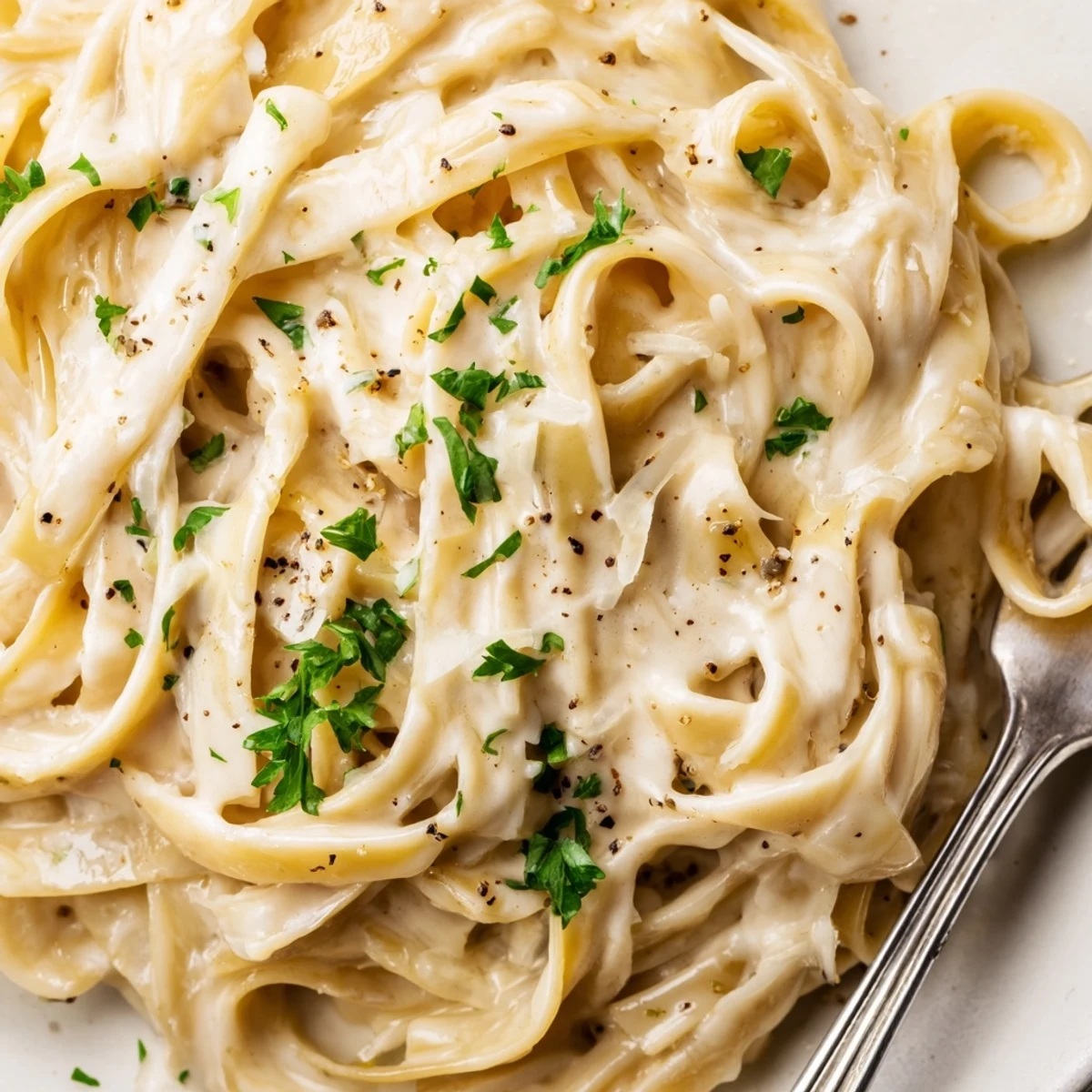
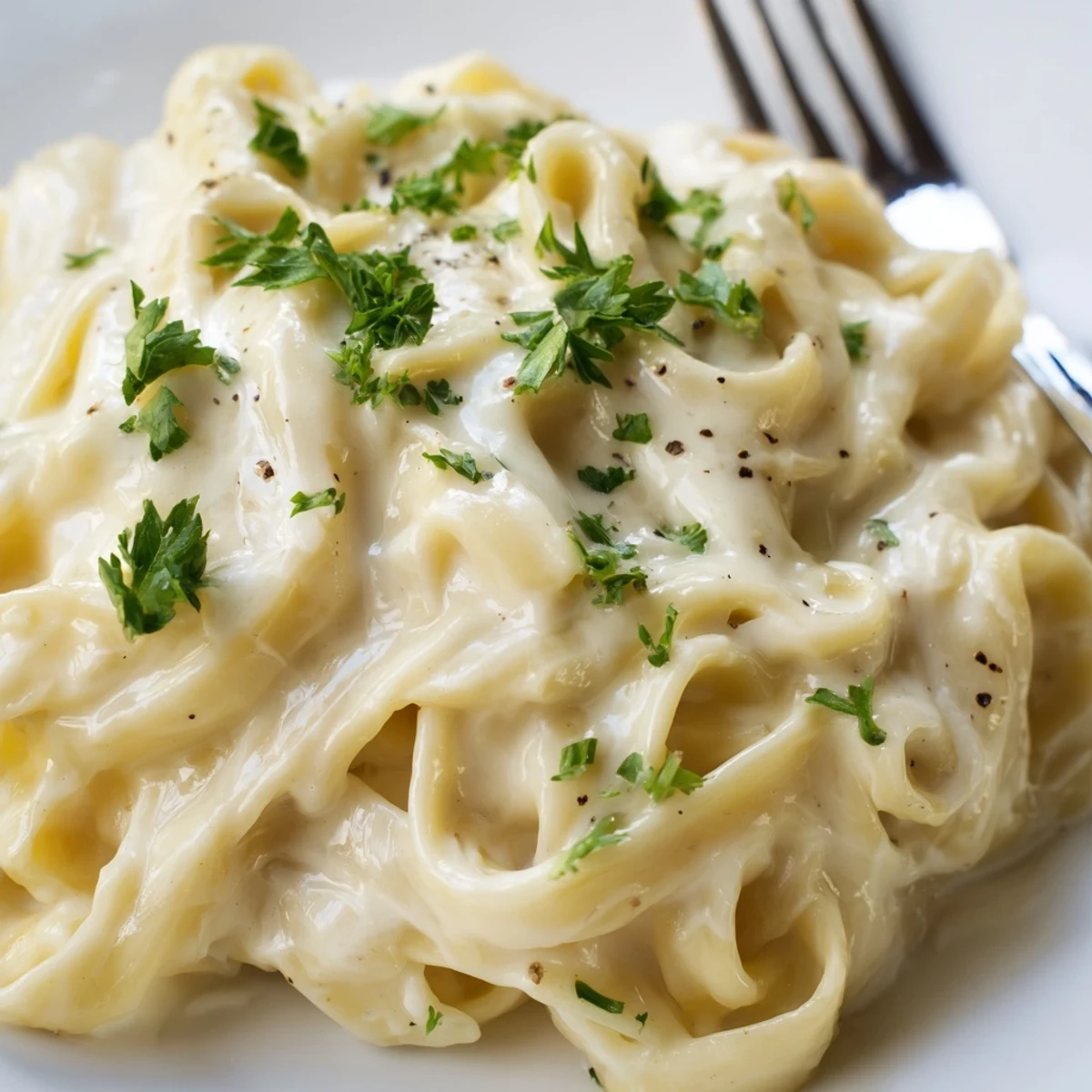
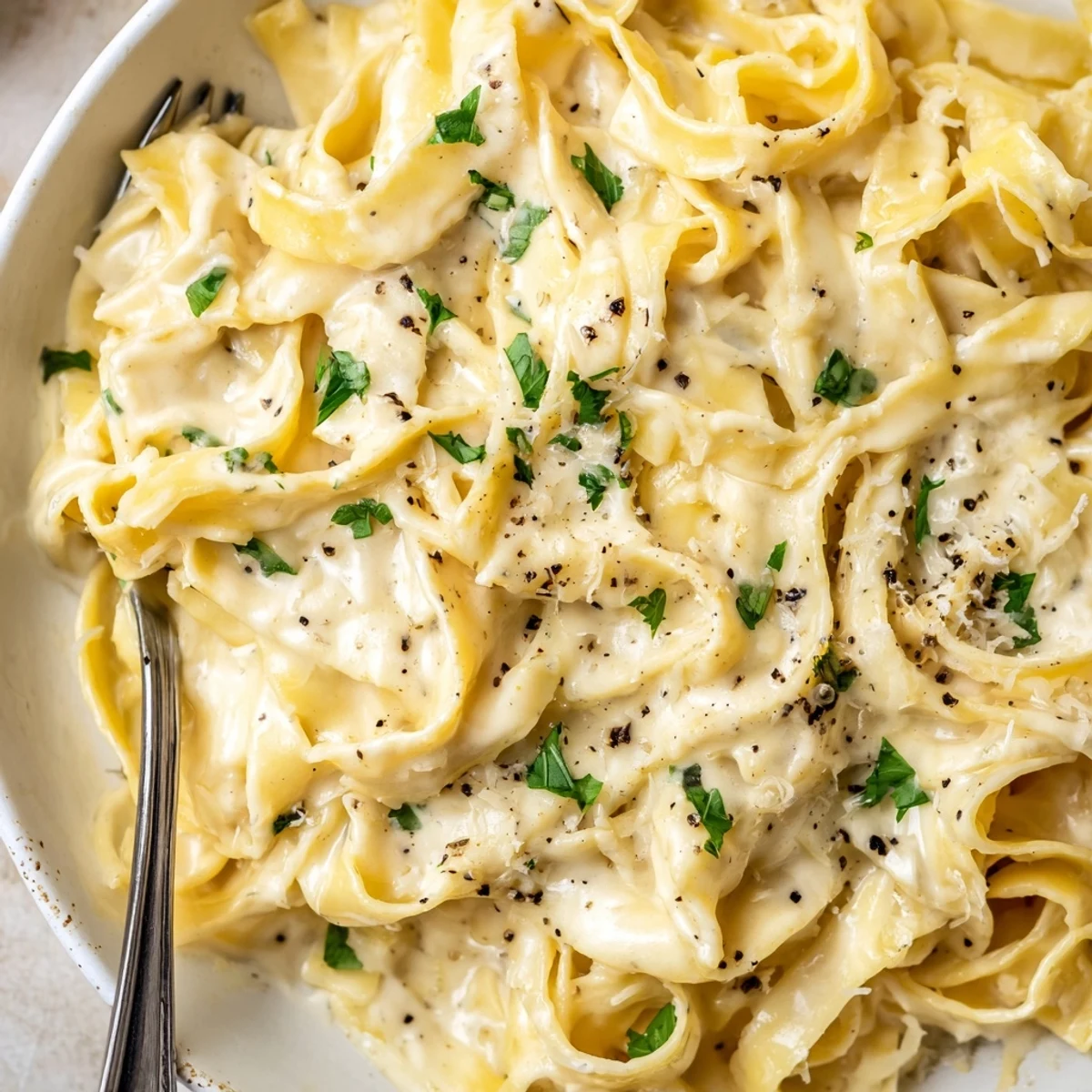
 This dish features tender fettuccine enveloped in a luscious, creamy sauce made from butter, garlic, heavy cream, and freshly grated Parmesan. The garlic-infused sauce simmers gently until smooth and thick, then coats the pasta perfectly. A pinch of nutmeg and freshly ground pepper enhance its depth, while chopped parsley adds fresh brightness. Simple, elegant, and ready in about 25 minutes, it pairs wonderfully with white wine and can be enriched with chicken or shrimp for added protein.
There's something about watching butter melt in a pan that makes you slow down. Years ago, I stood in my tiny apartment kitchen, totally intimidated by the idea of making Alfredo from scratch—convinced I'd either burn the cream or end up with grainy, broken sauce. Then my neighbor (who barely cooked anything) stopped by, smelled what I was doing, and asked why it smelled like a fancy restaurant. That was the moment I realized this wasn't complicated at all; it just needed patience and presence.
I made this for someone I wanted to impress on a Thursday night—nothing fancy planned, just dinner at home. The fettuccine caught the light from the window as I tossed it, and there was this moment where the sauce coated every strand so perfectly that even I had to stop and look. They asked for the recipe that night, and I realized this dish had become my quiet superpower in the kitchen.
Ingredients
- Fettuccine (400 g): Use dried pasta from a good brand—fresh fettuccine can overcook in seconds and turn mushy, which breaks the whole dish.
- Unsalted butter (60 g): This is your foundation, so don't skimp on quality; salted butter throws off the seasoning balance you're trying to build.
- Garlic cloves (2, minced): Mince them small so they soften completely and flavor the butter without any harsh edges.
- Heavy cream (300 ml): Full-fat cream is non-negotiable here; lighter versions will never reach that silky, luxurious texture.
- Parmesan cheese (120 g, freshly grated): This is where pre-grated cheese will betray you—it has anti-caking agents that prevent melting into a smooth sauce, so always grate it fresh.
- Fine sea salt and freshly ground black pepper: Taste as you go; the sauce needs seasoning to shine, but you want it balanced, not salty.
- Nutmeg (a pinch, optional): Just a whisper of this transforms everything, adding an almost imperceptible warmth that makes people wonder what you did differently.
- Fresh parsley (for garnish): Adds color and a little brightness that cuts through the richness at the last second.
Instructions
- Get your water ready and pasta going:
- Fill a large pot with water and salt it generously—it should taste like the sea. The salt in the water seasons the pasta as it cooks, so don't skip this step or dial it back.
- Start the sauce base:
- Melt butter over medium heat until it's foaming and smells nutty, then add your minced garlic. Listen for a gentle sizzle, and the moment it smells incredible (usually a minute or so), you're at the right point.
- Build the sauce:
- Pour in the cream slowly and watch it warm through—you want a gentle simmer, not a rolling boil, or the sauce can separate. Stir often and let it thicken slightly, which takes about two or three minutes of quiet cooking.
- Add the cheese carefully:
- Turn the heat down to low before adding Parmesan, working it in slowly and stirring constantly so it melts into something creamy instead of clumpy. The lower heat is everything here.
- Bring pasta and sauce together:
- Drain your pasta (reserving that water you'll definitely need) and toss it into the skillet immediately. If the sauce seems too thick, add pasta water a splash at a time until it coats the noodles like silk.
- Finish and serve:
- Pile the fettuccine onto warm plates and finish with parsley and more Parmesan if you want. Eat it while it's still hot, because this dish is best the moment it arrives at the table.
 Pin it
 I learned this lesson the hard way once when I tried to rush—turned the heat up, thinking I'd speed things along, and the cream broke into little greasy islands floating on top. Now I know that Alfredo rewards patience, not urgency. The best version of this dish is the one where you stand there, spoon in hand, watching the cheese melt slowly into something almost impossibly smooth.
The Timing Game
Everything about this recipe is about tempo. The pasta takes ten to twelve minutes depending on the brand, the sauce takes maybe three, and the magic happens in those last sixty seconds when you toss them together. If you have all your ingredients prepped and ready (and I mean truly ready—garlic minced, cheese grated, pasta water reserved), you can have dinner on the table in under twenty-five minutes from cold stove to warm plate. It's the kind of dish that demands you be present and ready, but rewards that attention instantly.
Making It Your Own
This base recipe is so clean and elegant that it works as-is, but it's also a canvas if you want to play around. Protein is the easiest add—drop in some pan-seared chicken, quickly cooked shrimp, or even just roasted mushrooms, and suddenly you have something that feels more complete. I've also added a handful of fresh spinach in the winter, stirred it in with the pasta, and let the residual heat wilt it just enough. The point is that once you understand how the sauce works, you can build around it without losing what makes it special.
Wine and Company
Alfredo is the kind of food that brings people closer to the table because it's rich and warm and feels slightly indulgent. Pair it with something crisp and cold—a Pinot Grigio or Chardonnay—and you'll find that the wine cuts through the cream in a way that keeps the meal from feeling heavy. This is the dish you make when you want dinner to feel like an occasion without any of the stress.
- Serve it on warm plates; cold plates will cool the sauce faster than you want.
- Eat it immediately after plating; Alfredo waits for no one.
- Have extra Parmesan on the table for anyone who wants to dust their bowl a little more.
 Pin it
 There's a reason Alfredo has stayed beloved for so long—it's simple, it's comforting, and it tastes like someone took time to make something nice. Once you nail this, you'll make it again and again, probably impressing yourself each time.
Recipe FAQs
- → How do I achieve the right sauce consistency?
-
Reserve some pasta cooking water and add it gradually to the sauce while tossing the pasta. This helps loosen and evenly coat the noodles.
- → Can I use other pasta instead of fettuccine?
-
Yes, wide noodles like pappardelle or tagliatelle also hold the creamy sauce well and work beautifully as alternatives.
- → What enhances the flavor of the sauce?
-
Freshly grated Parmesan, minced garlic sautéed in butter, and a pinch of nutmeg contribute to the sauce's rich, balanced taste.
- → How can I make the dish vegetarian-friendly?
-
This dish is naturally vegetarian, focusing on dairy-based ingredients and fresh herbs without meat additions.
- → What is the best way to reheat leftovers?
-
Gently warm on low heat, adding a splash of cream or reserved pasta water to restore sauce creaminess and prevent drying out.