
 Pin it
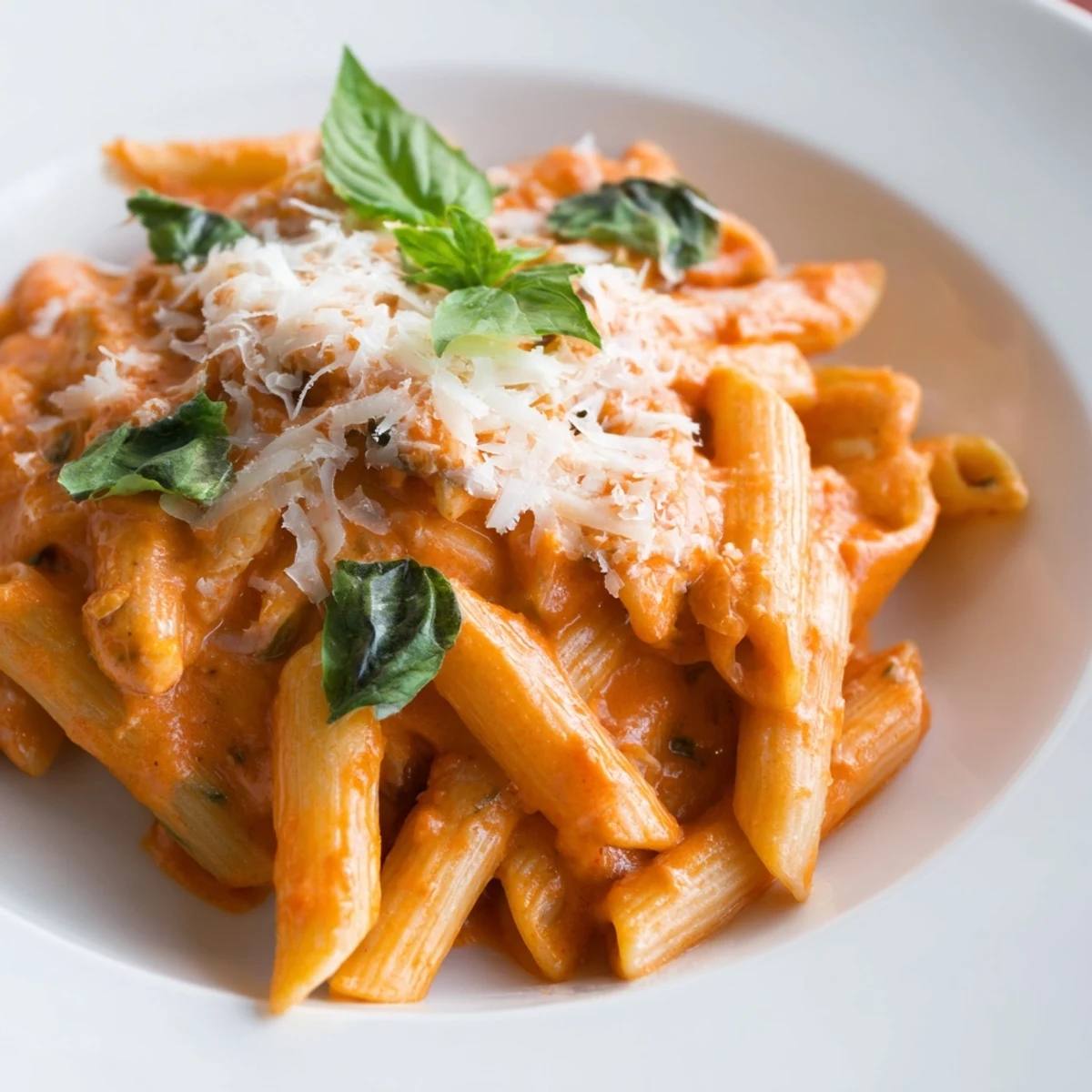
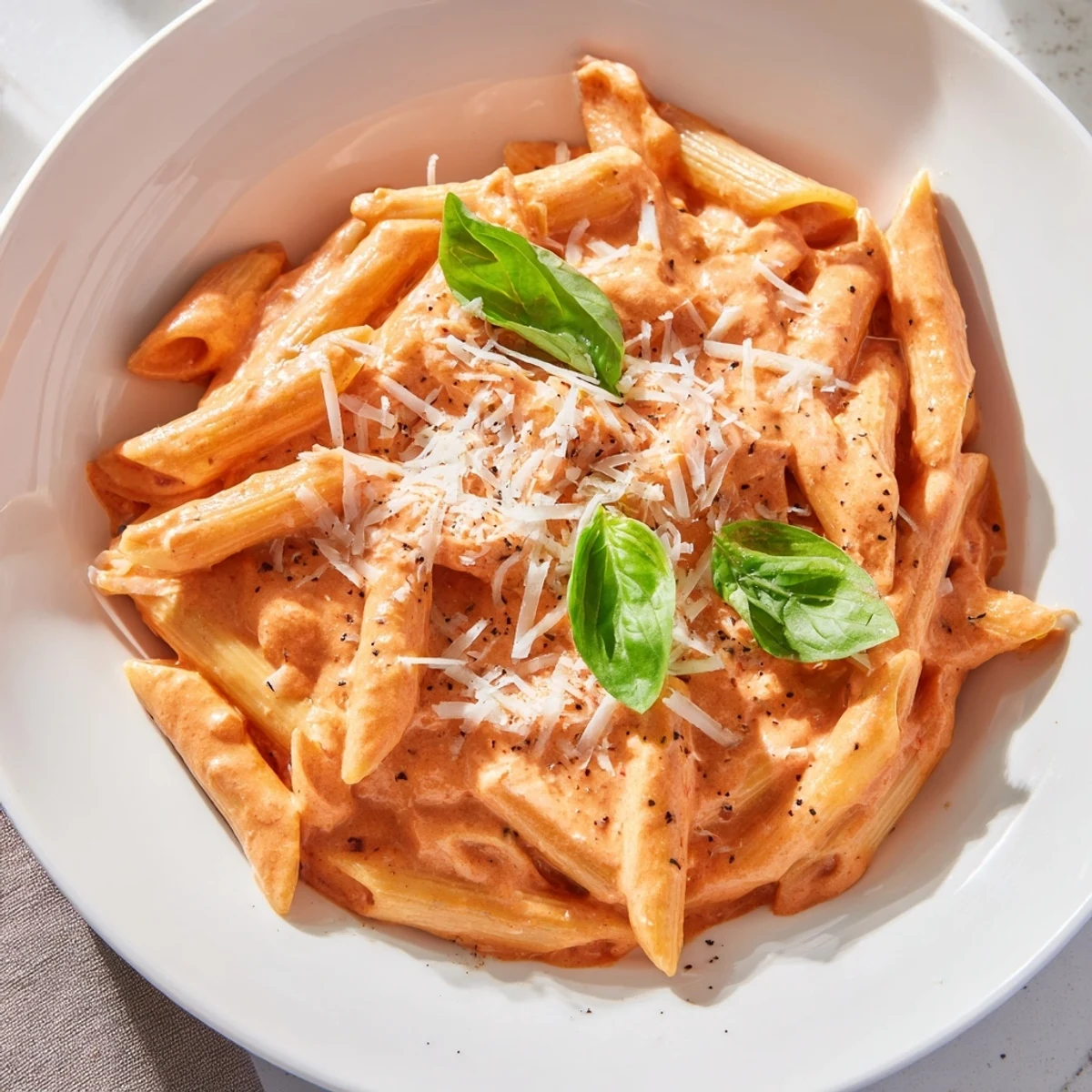
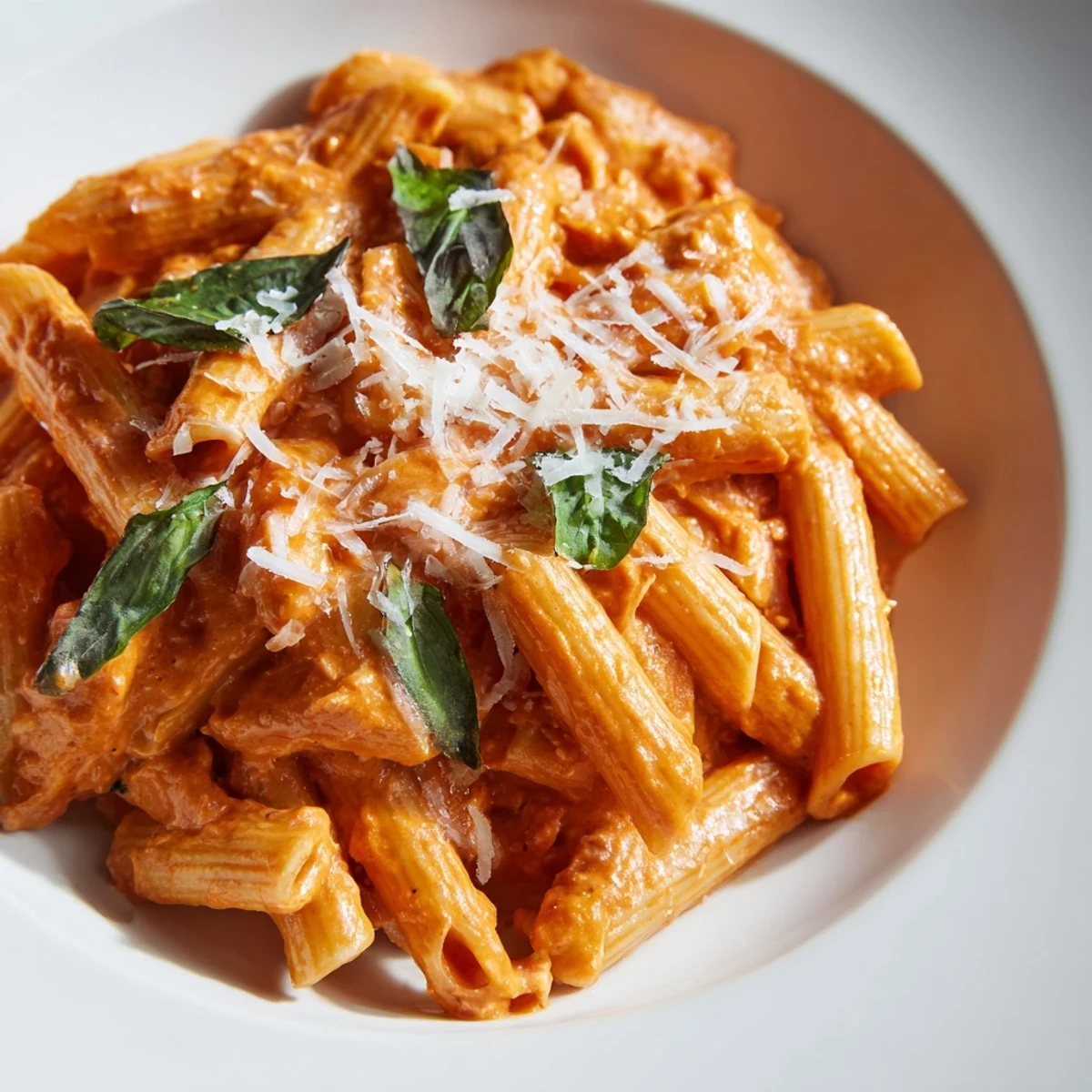
 This dish features pasta coated in a luscious tomato cream sauce made by simmering crushed tomatoes with sautéed onions, garlic, and a blend of herbs. Heavy cream and freshly grated Parmesan add richness and depth, while torn basil leaves provide a fresh aromatic finish. The pasta is cooked al dente, then tossed with the sauce and a bit of reserved cooking water for optimal creaminess. Ideal for a quick, satisfying weeknight meal or a special Italian-inspired dinner, this flavorful combination balances savory, creamy, and herbaceous notes seamlessly.
There's something about the smell of garlic hitting warm olive oil that stops me mid-thought every single time. I discovered this pasta on a Tuesday evening when I had cream in the fridge, tomatoes in the pantry, and exactly zero inspiration for dinner. Twenty minutes later, I was twirling fettuccine through a sauce so silky it felt like cheating, and I understood why this combination has been feeding people for generations.
I made this for my partner on a night when they'd had a rough day, and I watched their whole expression shift with that first bite. The sauce clung to every piece of pasta, and the fresh basil at the end felt like a small gift. Simple food can do that sometimes—turn a moment around just by tasting right.
Ingredients
- Penne or fettuccine, 350 g: The pasta is your canvas; penne holds sauce in its tubes while fettuccine lets it cling to ribbons, so pick based on your mood.
- Olive oil, 2 tbsp: This is where the foundation flavor starts, so don't skip quality here.
- Yellow onion, 1 small: Chopped fine, it dissolves into the sauce and adds a gentle sweetness that balances the tomatoes.
- Garlic, 3 cloves: Minced small so it releases its fragrance without overpowering; this is the moment the kitchen smells like dinner.
- Canned crushed tomatoes, 800 g: Canned actually works better here than fresh because the acidity is already balanced and the texture is consistent.
- Sugar, 1 tsp: A small pinch rounds out the tomato's natural sharpness without making anything taste sweet.
- Salt and pepper: Season in layers, tasting as you go; this is how you build flavor.
- Heavy cream, 120 ml: This transforms the sauce from acidic to velvety; cold from the fridge, it cools the sauce just enough to prevent breaking.
- Parmesan cheese, 30 g grated: Freshly grated melts into the sauce more smoothly than pre-grated, creating that final silky texture.
- Fresh basil, 15 g: Torn at the last second so it stays green and aromatic; this is your final flavor punctuation.
Instructions
- Boil the pasta:
- Bring a large pot of salted water to a rolling boil and cook the pasta until just al dente according to the package, usually around 9-11 minutes. Before draining, scoop out and set aside about 120 ml of the starchy cooking water—this is your secret weapon for adjusting sauce consistency later.
- Start the sauce:
- While pasta cooks, warm olive oil in a large skillet over medium heat until it shimmers slightly. Add the chopped onion and let it soften for about 4-5 minutes, stirring occasionally, until it turns golden and translucent.
- Add the aromatics:
- Stir in the minced garlic and let it cook for just 30 seconds until you can smell it—this moment is crucial because garlic burns quickly and bitter garlic ruins everything.
- Build the sauce base:
- Pour in the crushed tomatoes, then add the sugar, salt, and pepper. Stir everything together and let it simmer gently for 8-10 minutes, stirring now and then, so the sauce thickens slightly and the flavors begin marrying.
- Cream it smooth:
- Lower the heat and pour in the heavy cream slowly, stirring as you go so it blends evenly without any lumps. Let it simmer very gently for about 2 minutes—too much heat and the cream can break.
- Add the cheese:
- Stir in the freshly grated Parmesan and keep stirring until it melts completely and the sauce becomes silky and smooth, about 1-2 minutes.
- Bring it together:
- Add the drained pasta to the sauce and toss gently. If it looks too thick, add the reserved pasta water a little at a time until the sauce coats the pasta with a light gloss.
- Finish with basil:
- Remove from heat and tear or chop the fresh basil leaves over the pasta, then stir gently so the green streaks through but doesn't disappear from heat.
 Pin it
 I learned the importance of patience with this dish the night I tried to rush everything. The sauce broke, the cream separated, and I started over. The second attempt, taken slowly, reminded me that some things can't be hurried—and that includes the moments that make a meal feel special.
Why Fresh Basil Matters
Dried basil would turn this into something generic, but fresh basil is alive on your tongue and brightens everything it touches. Adding it at the very end, after heat, preserves that green flavor that makes you pause mid-bite and think, oh, that's the thing that makes this different.
Variations Worth Trying
Once you understand how this sauce works, it becomes a foundation. I've stirred in sautéed mushrooms for earthiness, wilted spinach for green, even a pinch of red pepper flakes when I wanted a gentle heat. The sauce is forgiving enough to welcome additions but balanced enough to stand alone.
Serving Suggestions and Storage
Serve this pasta immediately while the sauce is still warm and clings to every strand. A crisp white wine like Pinot Grigio cuts through the richness beautifully. Leftovers keep for two days in an airtight container in the refrigerator, though the pasta softens slightly when reheated.
- Reheat gently on the stovetop with a splash of reserved pasta water to loosen the sauce back to silky.
- Top each serving with extra grated Parmesan and a small basil leaf for color before bringing to the table.
- Pair with a simple green salad and crusty bread to soak up every drop of sauce.
 Pin it
 This is the kind of pasta that reminds you why you cook at all. It's simple enough to make on any night but feels indulgent enough to celebrate on special ones.
Recipe FAQs
- → What type of pasta works best for this dish?
-
Penne or fettuccine are ideal as they hold the creamy tomato sauce well, but any pasta shape can be used based on preference.
- → Can I substitute heavy cream in the sauce?
-
Yes, half-and-half or plant-based alternatives like coconut or cashew cream can lighten the dish while maintaining creaminess.
- → How do I prevent the sauce from thinning too much when adding pasta water?
-
Add reserved pasta water gradually, stirring continuously until the sauce reaches a smooth, silky consistency without becoming watery.
- → Is fresh basil necessary or can dried basil be used?
-
Fresh basil adds a bright, herbal aroma and flavor; dried basil can be used but will result in a less vibrant taste.
- → Can this dish be prepared ahead of time?
-
The sauce can be made in advance and reheated gently; however, tossing with pasta right before serving preserves texture and flavor best.