
 Pin it
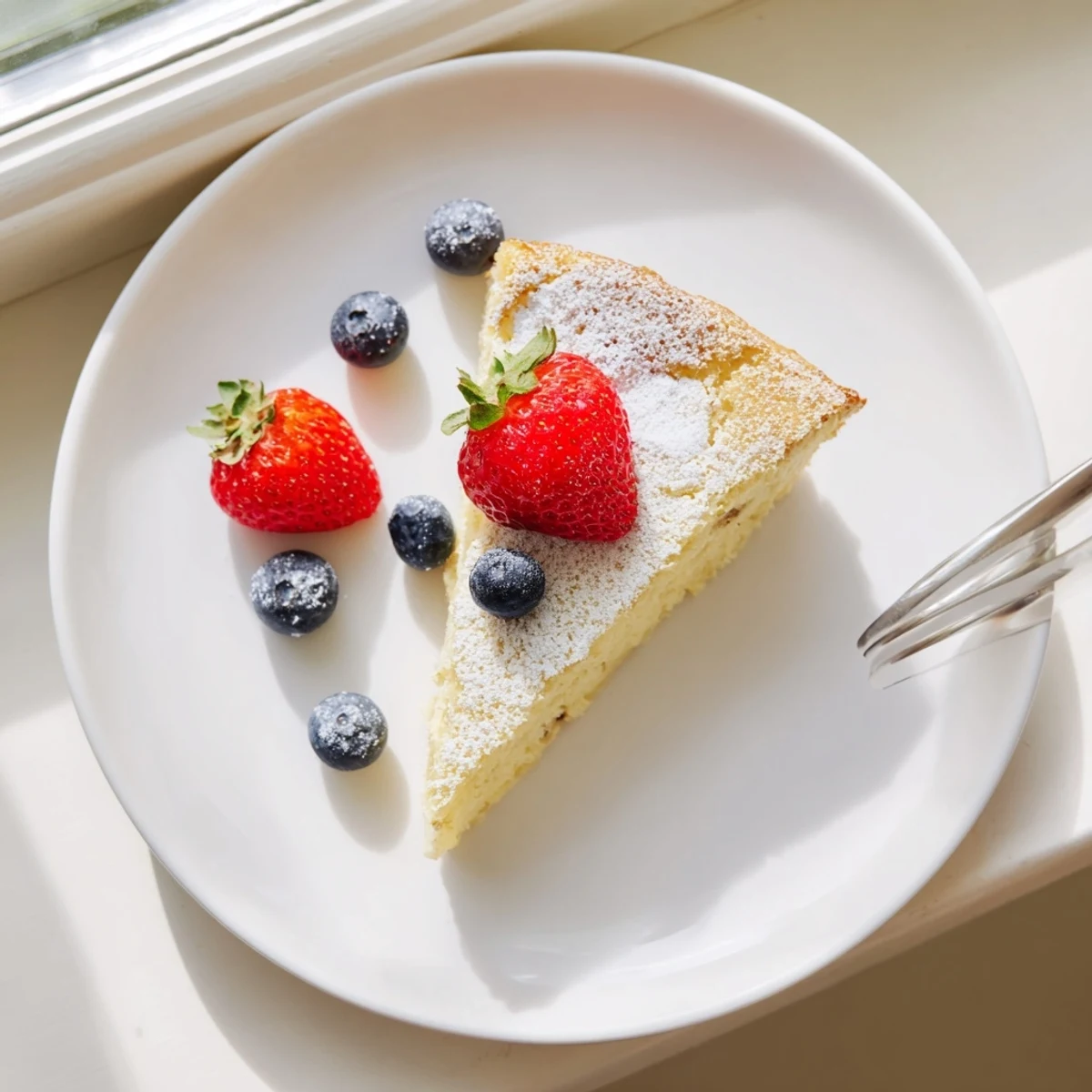
 This light and airy creation combines creamy Greek yogurt with delicate sweetness to achieve a dreamy, cloud-like texture. The method uses separated eggs—whites beaten to stiff peaks and folded gently into the yolk-based batter—creating the signature fluffiness that sets this cake apart.
Lemon zest adds a bright, refreshing note while the yogurt contributes moisture and a subtle tang. The result is a tender crumb that feels weightless on the palate, making it ideal for warm weather or whenever you crave something indulgent yet refreshing.
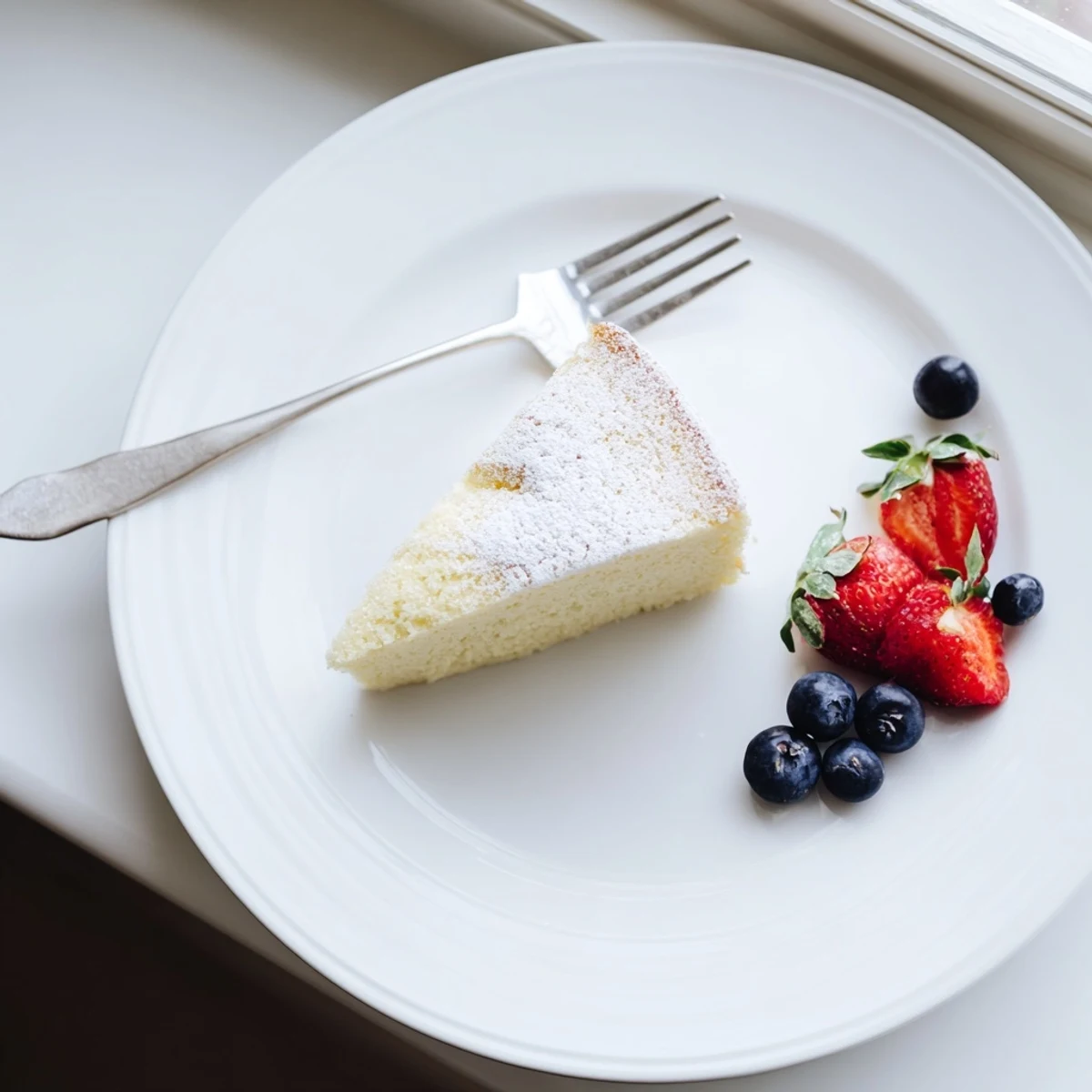
Serve simply dusted with powdered sugar, or elevate with fresh berries for a stunning presentation. Best enjoyed fresh, though it keeps beautifully for two days when stored airtight. The chill of refrigeration offers an even more refreshing experience.
The afternoon light hit my kitchen counter just right as I pulled this cake from the oven, and I actually gasped. Something about watching it rise like a sleepy cloud and settle into the most delicate, pillowy dome stopped me in my tracks. My grandmother would have called this happy food the kind that brings comfort without weighing you down. I had made it on a whim after finding a tub of Greek yogurt in the back of the fridge, and suddenly it was the only thing anyone wanted for dessert that entire summer.
I remember serving this at a book club meeting and watching three grown women go silent after their first bites. The way the lemon zest perfumes the whole kitchen while it bakes is honestly the best kind of aromatherapy. One friend asked for the recipe before she even finished her slice, and now I get text messages from her whenever she makes it, usually just a picture of the cake with fireworks emojis.
Ingredients
- All purpose flour: Provides the structure without making the cake heavy or dense
- Cornstarch: The secret weapon for creating that tender velvety crumb that sets this apart from regular sponge cakes
- Baking powder: Just enough to give it a gentle lift without affecting the delicate texture
- Salt: A tiny pinch balances the sweetness and makes all the flavors pop
- Eggs separated: The yolks enrich the batter while whipped whites create the signature cloud like rise
- Granulated sugar divided: Some sweetens the yolk mixture and the rest stabilizes the egg whites for maximum volume
- Vegetable oil: Keeps the cake incredibly moist and tender without any buttery flavor competition
- Full fat Greek yogurt: The MVP ingredient that adds tang richness and an unforgettable silky texture
- Vanilla extract: Rounds everything out with that warm familiar sweetness we all love
- Lemon zest: Bright citrus notes that cut through the richness and make each taste feel lighter
- Powdered sugar: For that snow dusted finish that makes it look like it belongs in a bakery window
- Fresh berries: The tart fruit plays so beautifully against the creamy mild cake
Instructions
- Get your oven ready:
- Preheat to 325F and line just the bottom of an 8 inch round pan with parchment. Leave the sides ungreased so the cake can climb and rise properly.
- Whisk the dry team:
- Combine flour cornstarch baking powder and salt in a bowl. Set this aside while you work on the wet ingredients.
- Make the yolk base:
- Whisk egg yolks with half the sugar until they turn pale and look like sunshine. Mix in oil yogurt vanilla and lemon zest until silky smooth.
- Combine carefully:
- Fold the dry ingredients into the yolk mixture gently. Do not overwork it or you will lose that delicate texture we are after.
- Work magic with whites:
- Beat egg whites until soft peaks form then slowly add remaining sugar and keep going until stiff glossy peaks stand tall.
- Lighten the batter:
- Fold one third of the whites into the base to loosen it up then gently fold in the rest in two additions. The batter should look like a soft fluffy cloud.
- Into the oven:
- Pour into your prepared pan smooth the top and bake 40 to 45 minutes until set and a toothpick comes out clean.
- Cool with patience:
- Let it rest in the pan for 10 minutes then run a knife around the edge and carefully invert onto a rack. Cool completely before serving.
 Pin it
 This cake became my go to contribution for every gathering last year. There is something about serving something that looks so impressive but feels so light and unpretentious that makes people instantly relax. I have started keeping Greek yogurt in the fridge specifically for those moments when I need to pull a dessert together that feels special.
Making It Your Own
Swap the lemon zest for orange or add a tablespoon of fresh lemon juice to the batter for more tang. I have even folded in crushed raspberries before baking for a pretty pink swirled version that disappears in minutes.
Storage Secrets
This cake is absolutely best the day it is made when the texture is at its peak. If you must store it wrap it tightly and know it will still be delicious for up to two days though the texture will settle slightly.
Serving Suggestions
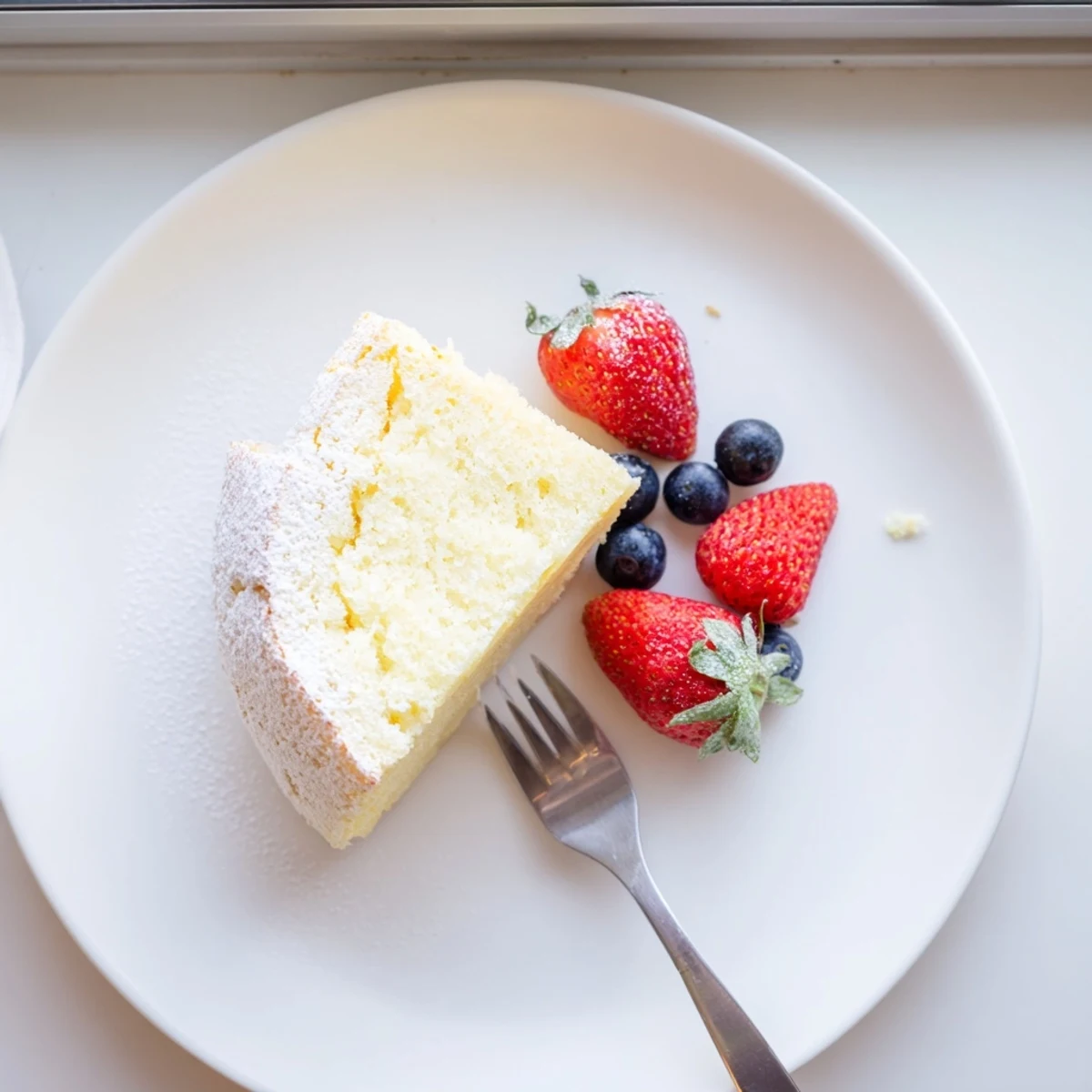
Chill the cake for an hour before serving for a refreshing cold dessert. The texture becomes almost mousse like and perfect for hot weather. Serve it plain or let guests add their own berries.
- A dollop of Greek yogurt sweetened with honey on top takes it to another level
- Try it with a drizzle of fruit compote for an elegant dinner party dessert
- Keep the dusting of powdered sugar light and delicate for that cloud like appearance
 Pin it
 Every time I make this cake I am reminded that sometimes the simplest recipes are the ones that bring the most joy. Watch it disappear and prepare to become the person everyone asks for this recipe.
Recipe FAQs
- → What makes this cake so fluffy and light?
-
The secret lies in the separated egg technique. Beating egg whites to stiff peaks creates air bubbles that get folded into the batter, resulting in that signature cloud-like texture. The gentle folding method preserves these air pockets, ensuring the cake remains airy and delicate rather than dense.
- → Can I use regular yogurt instead of Greek yogurt?
-
Greek yogurt is preferred because its thicker consistency provides better structure and moisture. Regular yogurt contains more water, which could affect the texture. If substituting, consider straining regular yogurt through cheesecloth for a few hours to remove excess whey and achieve a similar consistency to Greek yogurt.
- → Why should I avoid greasing the sides of the pan?
-
Leaving the sides ungreased allows the batter to climb and grip the pan as it rises, helping the cake achieve maximum height. Greasing would cause the batter to slide down, resulting in a denser final product. Only line the bottom with parchment to prevent sticking while letting the sides remain clean.
- → How do I know when the cake is done baking?
-
The cake is ready when the surface is set and golden, and a toothpick inserted in the center comes out clean or with just a few moist crumbs. The top should feel firm but spring back lightly when touched gently. Overbaking will dry out the delicate texture, so start checking around the 40-minute mark.
- → Can I add other flavors to the base?
-
Absolutely. While lemon zest provides a classic bright note, you can experiment with orange zest for a sweeter citrus profile, or add a teaspoon of almond or vanilla extract for depth. For a chocolate variation, fold in two tablespoons of cocoa powder with the dry ingredients, though this will slightly alter the airy texture.
- → Why is the cooling process specific?
-
Letting the cake cool in the pan for 10 minutes allows the structure to set before inverting. If removed too early, the delicate crumb may collapse or break. The brief rest period stabilizes the cake while still warm, making it easier to handle. Afterward, cooling completely on a wire rack prevents condensation from making the bottom soggy.