
 Pin it
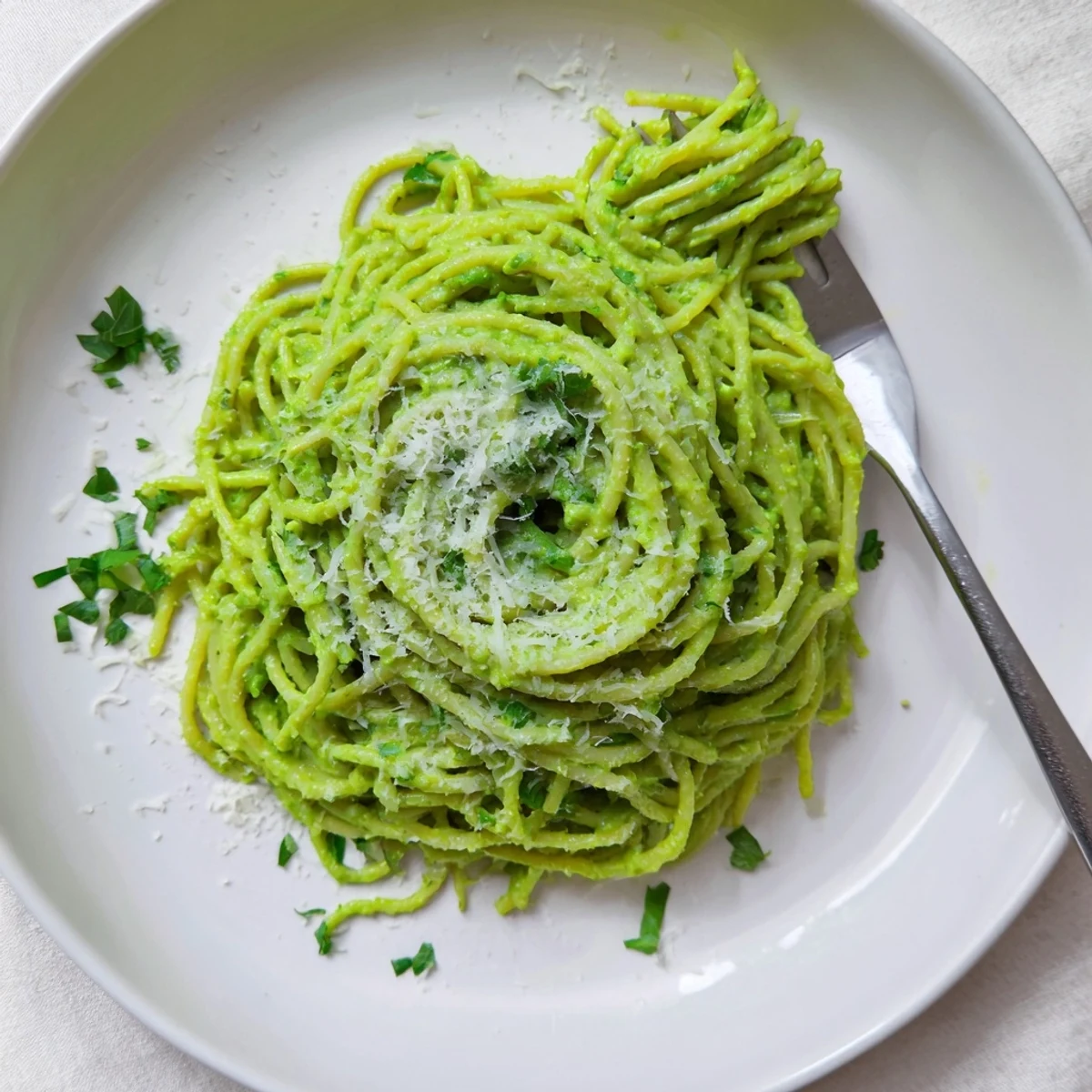
 This green goddess pasta sauce brings together ripe avocado, fresh basil, spinach, chives, parsley, and tarragon into a luxuriously creamy blend. A squeeze of lemon and a generous handful of Parmesan tie everything together with bright, tangy depth.
Ready in just 20 minutes, it's an effortless way to elevate a simple bowl of pasta into something vibrant and garden-fresh. Perfect for warm evenings when you crave something light yet satisfying.
Toss it with spaghetti, linguine, or whatever shape you have on hand. Add pasta water as needed for a silky, clingy consistency that coats every strand beautifully.
The farmers market on Elm Street had a herb vendor who always tucked extra basil into my bag on Saturday mornings, and one day I found myself with more green than I could possibly use before it wilted. That overflow became the best accident in my kitchen all year. I dumped everything into the blender with a ripe avocado and crossed my fingers. What came out was a sauce so bright and creamy that my roommate stood over the counter eating it with a spoon before the pasta was even drained.
I brought this to a potluck thinking it would be a side dish among dozens of other things, but three people pulled me aside to ask for the recipe by the end of the night. One friend now makes it every single week for her kids, who apparently call it dinosaur pasta because of the color. That nickname alone makes it worth keeping in your rotation forever.
Ingredients
- 1 ripe avocado: This is the creamy backbone of the whole sauce, so pick one that yields slightly when pressed but is not mushy or brown inside.
- 1 cup fresh spinach leaves, packed: Adds volume and a mild earthiness without overpowering the more delicate herbs.
- 1/2 cup fresh basil leaves: The signature flavor that makes this taste like summer, so use the freshest leaves you can find.
- 1/4 cup fresh chives: Brings a gentle onion flavor that ties the greenness together beautifully.
- 1/4 cup fresh parsley: Flat leaf parsley works best here for its cleaner, brighter taste compared to curly varieties.
- 2 tablespoons fresh tarragon leaves (optional): Traditional in green goddess dressing, tarragon adds a faint anise note that elevates the whole blend.
- 2 cloves garlic, peeled: Raw garlic gives punch, but if you are sensitive to its bite, try roasting the cloves first.
- 3 tablespoons extra virgin olive oil: Helps the blender run smoothly and adds a fruity richness to the finish.
- 1/2 cup Greek yogurt or sour cream: Either works, but Greek yogurt keeps it lighter while still providing that tangy creaminess.
- Juice of 1 lemon: Balances the richness of the avocado and brightens every single herb in the mix.
- 1/4 cup grated Parmesan cheese: Adds a salty, savory depth, plus extra for garnishing the finished bowls.
- 1 teaspoon salt, or to taste: Start with a teaspoon and adjust after blending because the Parmesan already contributes salt.
- 1/2 teaspoon freshly ground black pepper: Freshly cracked makes a real difference in a sauce this simple.
- 1/4 teaspoon chili flakes (optional): A tiny pinch of heat that wakes up all the other flavors without stealing the show.
- 12 oz dried pasta: Spaghetti and linguine are classic choices, but any shape with ridges or curves will grab onto the sauce beautifully.
Instructions
- Boil the pasta:
- Bring a large pot of generously salted water to a rolling boil and cook the pasta according to the package directions until just al dente. Before you drain it, scoop out half a cup of that starchy cooking water and set it aside because it is the secret to a silky sauce later.
- Blend the sauce:
- While the pasta bubbles away, toss the avocado, spinach, basil, chives, parsley, tarragon, garlic, olive oil, Greek yogurt, lemon juice, Parmesan, salt, pepper, and chili flakes into a food processor or blender. Run it until the mixture is completely smooth and the most gorgeous shade of green you have ever seen in a kitchen.
- Taste and adjust:
- Stop the blender and give the sauce a taste on the back of a spoon. Add more salt or lemon juice if it needs a lift because this is your last chance to get the seasoning right before it meets the pasta.
- Toss everything together:
- Return the drained pasta to the warm pot or a large bowl and pour the green goddess sauce over the top while the pasta is still hot. Toss vigorously, splashing in the reserved pasta water a little at a time until the sauce coats every strand or shape with a glossy, luxurious finish.
- Serve and garnish:
- Divide the pasta among bowls and finish with an extra shower of Parmesan, a scattering of chopped fresh herbs, and a thin drizzle of good olive oil. Serve immediately while the warmth and the bright flavors are at their peak.
 Pin it
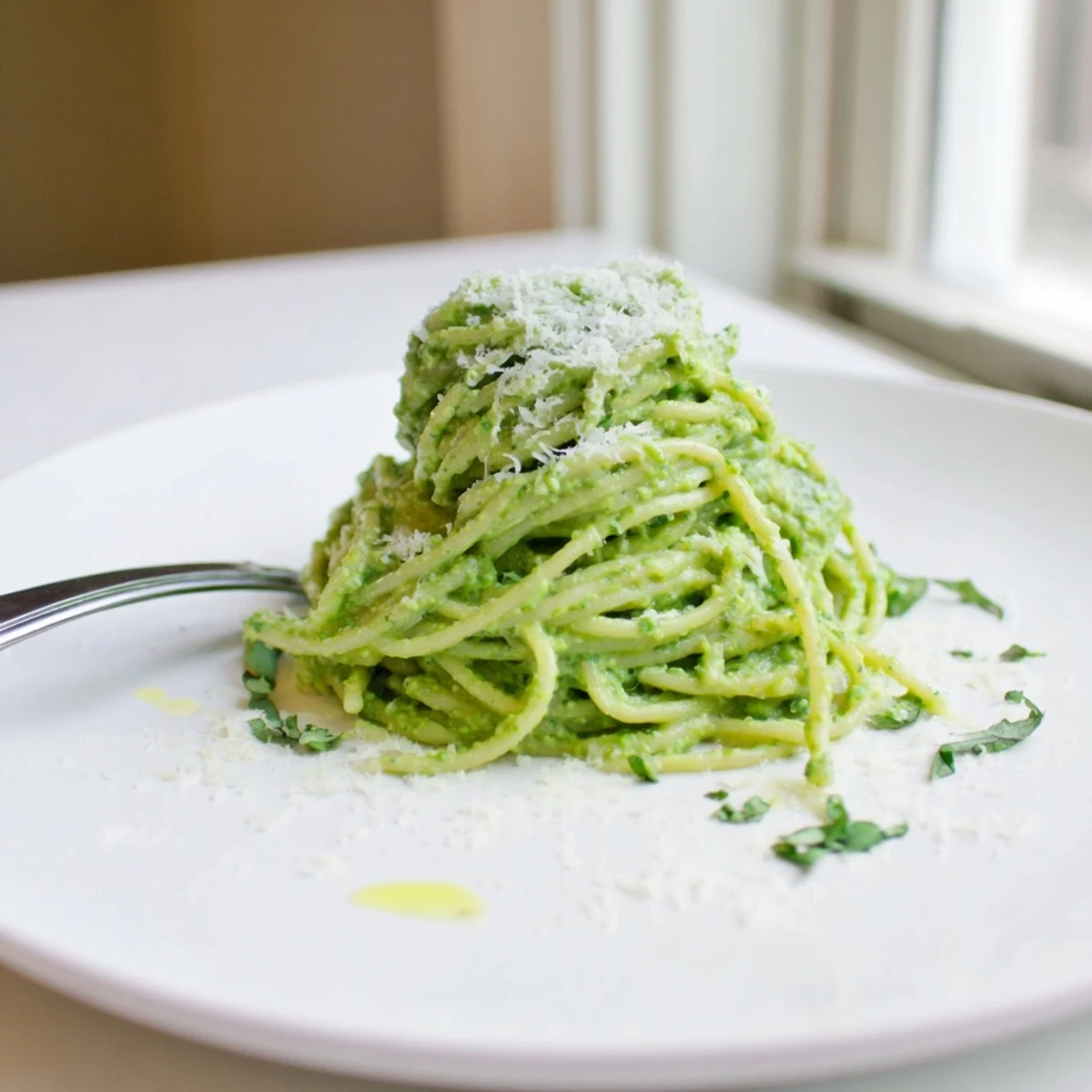
 There is something about a bowl of vivid green pasta that makes people smile before they even take a bite. It turns an ordinary Tuesday into something that feels intentional and a little special.
Making It Your Own
This sauce is endlessly adaptable once you understand the basic ratio of creamy base to herbs to acid. I have swapped the avocado for soaked cashews when avocados were not in season, and the result was still remarkably lush. Grilled chicken or roasted cherry tomatoes folded in at the end turn it into a heartier meal without much extra effort.
Serving and Pairing Suggestions
A glass of Sauvignon Blanc or a crisp Pinot Grigio sitting next to this pasta is honestly one of the most pleasant warm weather dinners I know. The herbal freshness in the sauce mirrors the grassy, citrusy notes in those wines in a way that feels almost too easy. Even a cold sparkling water with a lemon wedge holds its own here if wine is not your thing.
Storage and Leftover Tips
Leftovers keep in an airtight container in the refrigerator for up to two days, though the color may deepen slightly overnight which is completely normal. The sauce also doubles as a brilliant dip for crudités or a spread on a grain bowl, so never throw out an extra spoonful. Reheat gently over low heat with a splash of water to bring back the creamy texture.
- Store the sauce separately from the pasta if you are meal prepping for the week.
- Give the sauce a quick whirl in the blender again before tossing with fresh pasta to revive its smoothness.
- Always taste for salt after reheating because cold dulls flavors and a small pinch can bring everything back to life.
 Pin it
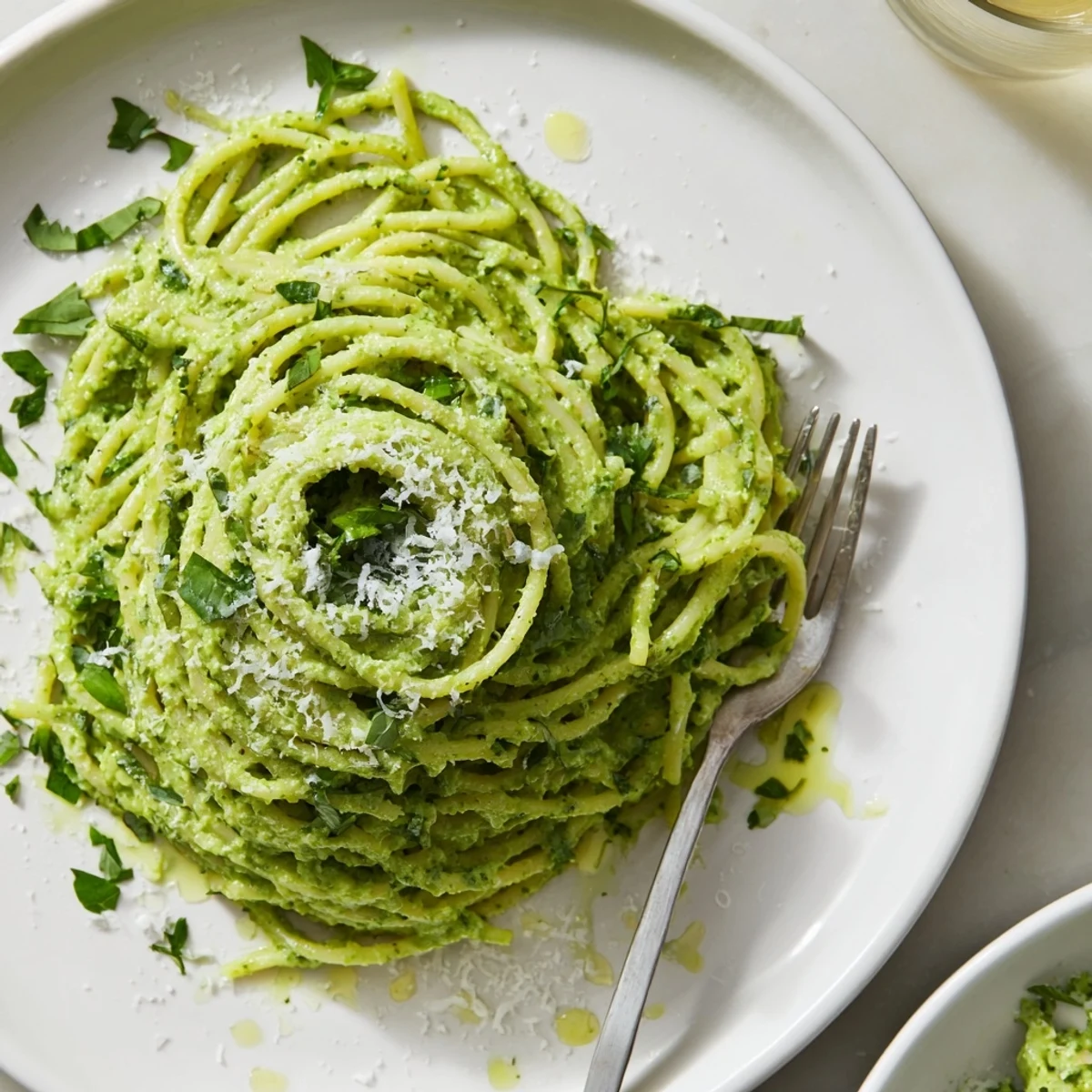
 Keep this one close because once the herbs start overflowing your kitchen, you will want it within arm is reach. It is the kind of recipe that makes you feel like a genius with almost no effort at all.
Recipe FAQs
- → Can I make this sauce ahead of time?
-
Yes, you can prepare the sauce up to one day in advance. Store it in an airtight container in the refrigerator with plastic wrap pressed directly against the surface to minimize browning from the avocado. Give it a good stir before tossing with freshly cooked pasta.
- → What pasta shapes work best with this sauce?
-
Long strands like spaghetti and linguine work beautifully, but the creamy texture also clings well to shapes like fusilli, penne, or farfalle. Use whatever you have on hand—the sauce is versatile enough to coat any pasta shape evenly.
- → How do I prevent the sauce from turning brown?
-
The lemon juice helps slow oxidation, but avocado-based sauces will gradually darken when exposed to air. Store leftovers with plastic wrap pressed directly on the surface and consume within 24 hours. A splash of extra lemon juice right before serving can help revive the bright green color.
- → Is there a dairy-free version of this sauce?
-
Absolutely. Swap the Greek yogurt for a plain plant-based yogurt and either omit the Parmesan or replace it with nutritional yeast for a similar savory depth. The avocado already provides a rich, creamy base so the sauce remains luscious without dairy.
- → What proteins pair well with this dish?
-
Grilled chicken, sautéed shrimp, or pan-seared salmon all complement the herbaceous, creamy flavors beautifully. For a plant-based option, try tossing in roasted chickpeas or crispy white beans for added texture and protein.
- → Can I use this sauce for anything besides pasta?
-
Definitely. It works wonderfully as a dip for crudités, a spread for sandwiches and wraps, or a drizzle over grain bowls and roasted vegetables. Its bright, creamy profile is incredibly versatile far beyond pasta night.