
 Pin it
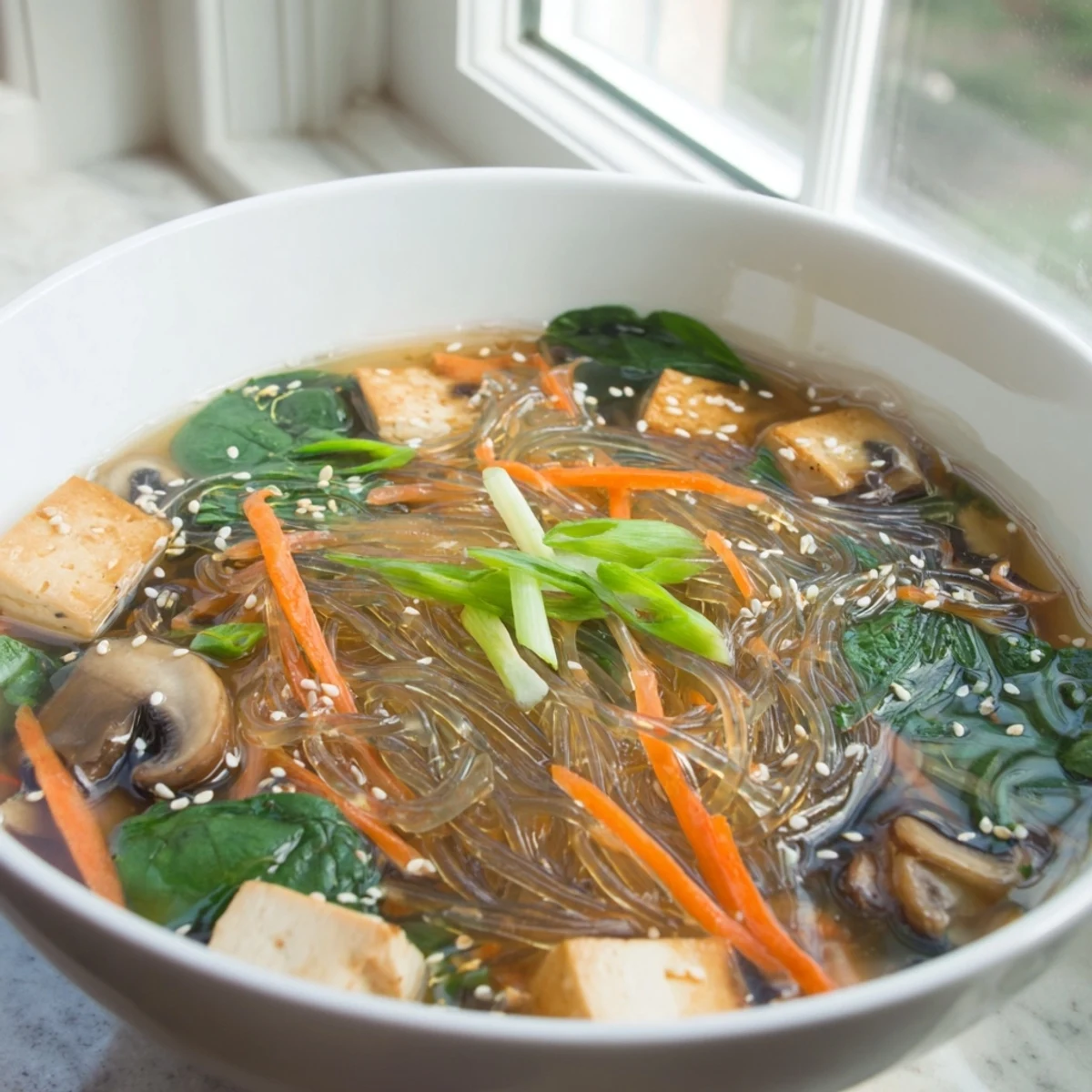
 This Japanese-inspired bowl brings together delicate glass noodles (harusame) swimming in a aromatic dashi broth. The combination of julienned carrots, earthy shiitake mushrooms, and fresh baby spinach creates a perfectly balanced light meal. Ready in just 25 minutes, this comforting dish offers a healthy option for busy weeknights when you crave something nourishing yet satisfying.
The first time I made harusame soup, I was recovering from a terrible cold and my Japanese neighbor brought over a bundle of translucent noodles. Something about watching those glass threads turn clear in hot water felt like watching winter melt into spring. Now whenever I need comfort without heaviness, this is what reaches for me.
Last February, during that awful week when everything was gray and freezing, I made this soup three times. My roommate who swears she hates soup texted me from work asking if there was any left. Thats when I knew this wasnt just a recipe, it was medicine.
Ingredients
- 5 cups dashi stock: Dashi gives this soup its soul, but any quality broth works in a pinch
- 2 tbsp soy sauce: Use a good Japanese brand, the cheap stuff makes the broth taste flat and metallic
- 1 tbsp mirin: This subtle sweetness balances the soy and deepens the broth
- 1 tsp sesame oil: Toasted sesame adds a nutty fragrance that makes the kitchen smell incredible
- Harusame noodles: These delicate glass noodles are the star, they somehow feel substantial and weightless simultaneously
- Fresh vegetables: Carrot shavings, shiitake slices, and whatever green you have on hand bring color and life
Instructions
- Build the foundation:
- Combine your dashi with soy sauce, mirin, sesame oil, and salt in a large saucepan. Let it come to a gentle simmer, not a rolling boil, you want the flavors to get acquainted.
- Soften the vegetables:
- Add your carrot ribbons and shiitake slices to the warming broth. Give them about five minutes to relax and start becoming tender, the mushrooms will release a beautiful aroma.
- Prepare the noodles:
- While the broth simmers, soak your harusame in boiling water for four to five minutes. Watch them turn from opaque to completely clear, then drain them well and divide between waiting bowls.
- Finish and assemble:
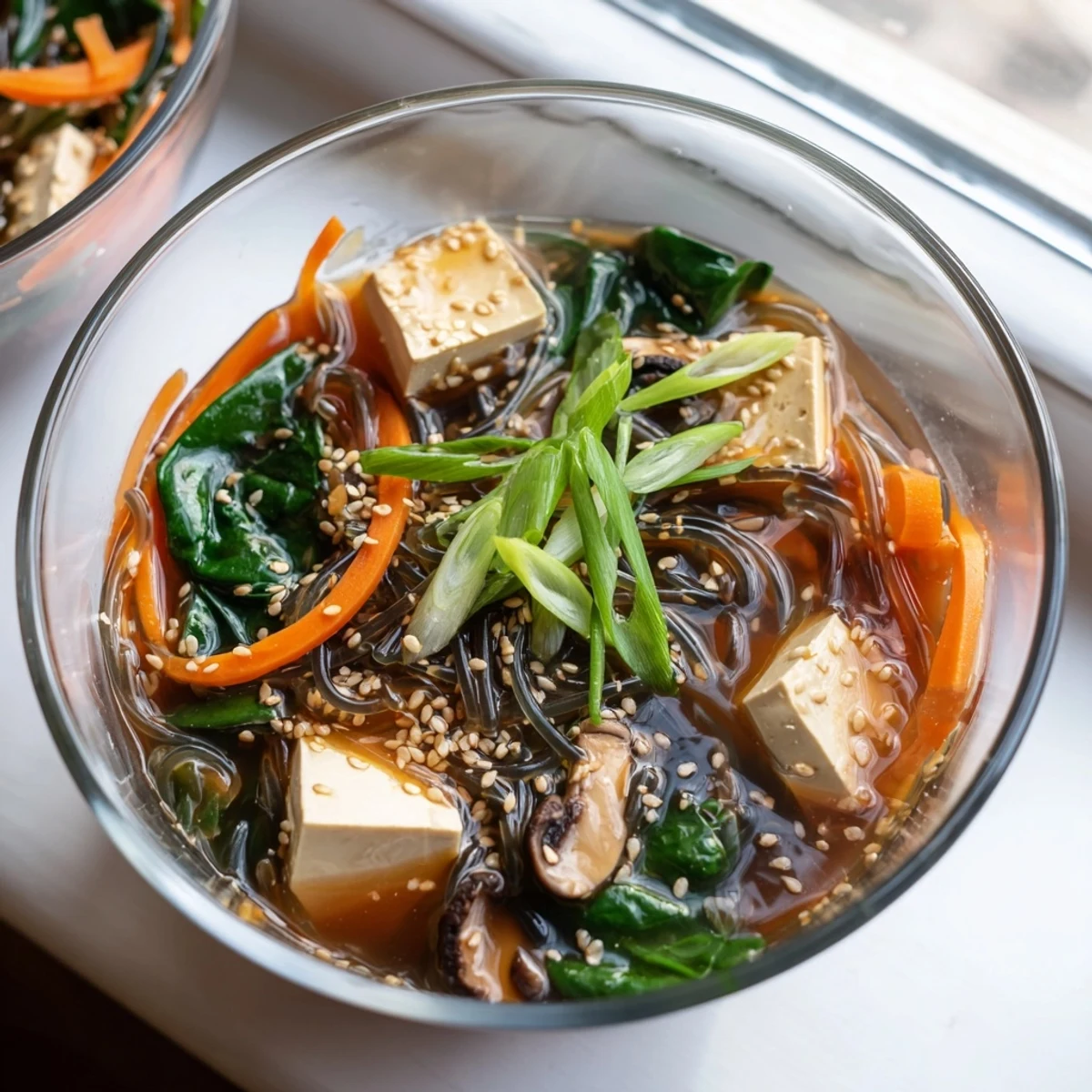
- Drop in your tofu if using, add the greens for just one minute until they wilt, then ladle everything steaming hot over the noodles. Top with sesame seeds and extra onion.
 Pin it
 Something magical happens when you serve this to friends who are wary of soup. The clear broth looks so unassuming, but that first spoonful always stops conversation. I love watching that moment of realization.
Building a Better Broth
After years of making this, I have learned that the quality of your dashi or broth matters more than anything else. The night before I make this soup, I sometimes simmer kombu and bonito flakes, but honestly, a good instant dashi powder works perfectly fine on weeknights.
Noodle Wisdom
Harusame noodles are forgiving but they have their quirks. I once soaked them too long and ended up with noodle soup instead of soup with noodles. Now I set a timer, because four minutes is perfect and five minutes is too many.
Make It Your Own
This soup welcomes variations like an old friend welcomes you home. Sometimes I add wakame seaweed, sometimes sliced cooked chicken, occasionally a handful of enoki mushrooms just for fun.
- Keep your vegetables cut thin so they cook quickly
- Have everything ready before you heat the broth
- Reserve some green onion for the very top, it makes such a difference
 Pin it
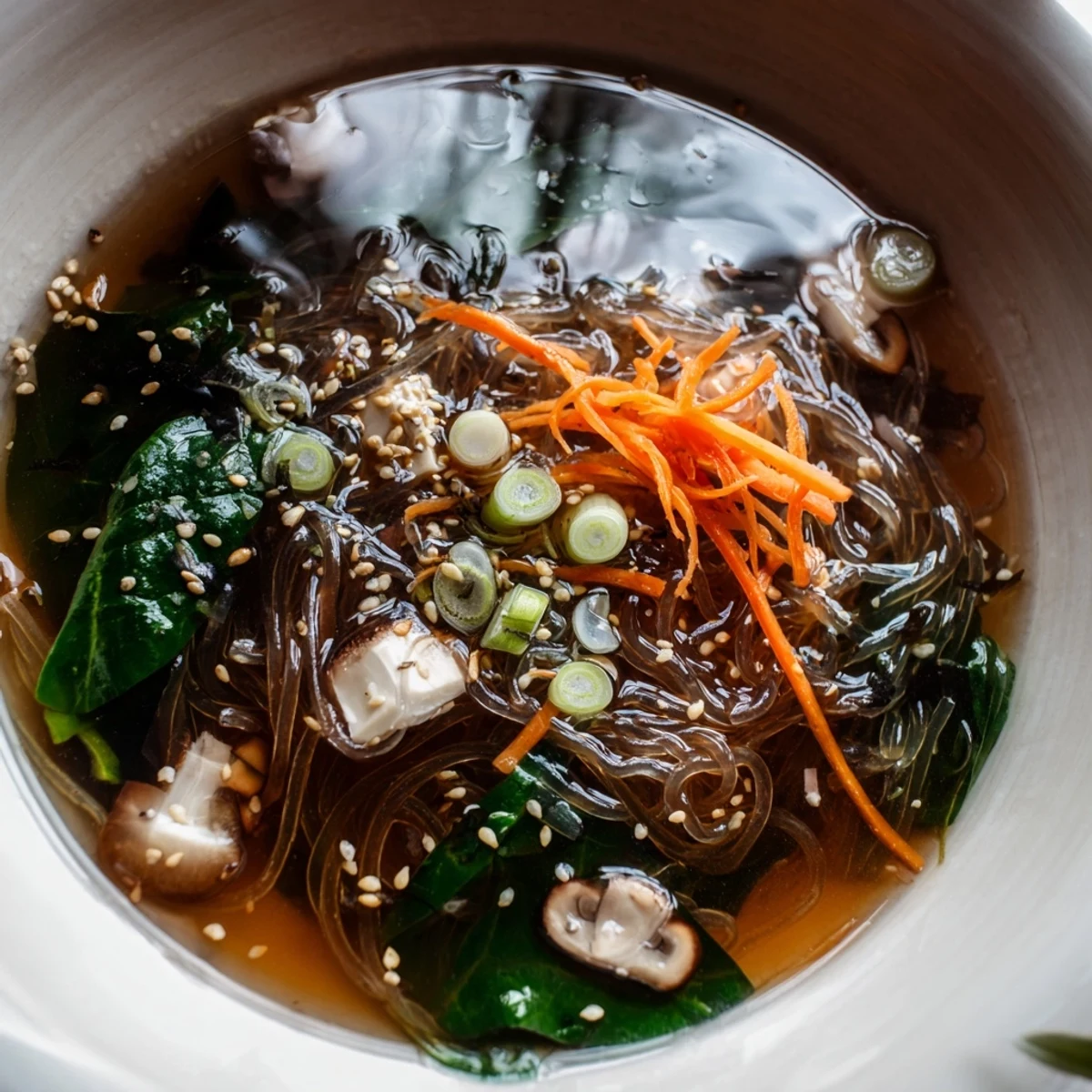
 This is the soup I make when I need to remember that simple food can be the best food of all.
Recipe FAQs
- → What are harusame noodles?
-
Harusame are Japanese glass noodles made from mung bean starch, also known as mung bean vermicelli. They're translucent, delicate noodles that become tender when soaked in hot water and naturally gluten-free.
- → Can I make this dish vegetarian?
-
Yes, simply substitute the traditional dashi stock with vegetable broth. Most dashi contains bonito flakes (fish), so using a high-quality vegetable broth will maintain the savory depth while making it completely vegetarian-friendly.
- → How do I store leftovers?
-
Store the broth and vegetables separately from the noodles in airtight containers in the refrigerator for up to 2 days. The noodles will continue to absorb liquid and become mushy, so it's best to cook fresh noodles when reheating.
- → What can I add for more protein?
-
Firm tofu works beautifully, but you can also add shredded cooked chicken, soft-boiled eggs, or edamame. For a heartier version, consider adding tempura shrimp or pieces of grilled salmon on top.
- → Is this soup gluten-free?
-
Harusame noodles are naturally gluten-free, but always check packaging as some brands may process wheat in the same facility. Use tamari instead of soy sauce and ensure your dashi or broth is certified gluten-free.
- → Can I freeze this dish?
-
It's best to freeze only the broth without noodles or vegetables. The noodles and delicate greens don't freeze well and can become mushy. Freeze broth for up to 3 months and cook fresh noodles and vegetables when serving.