
 Pin it
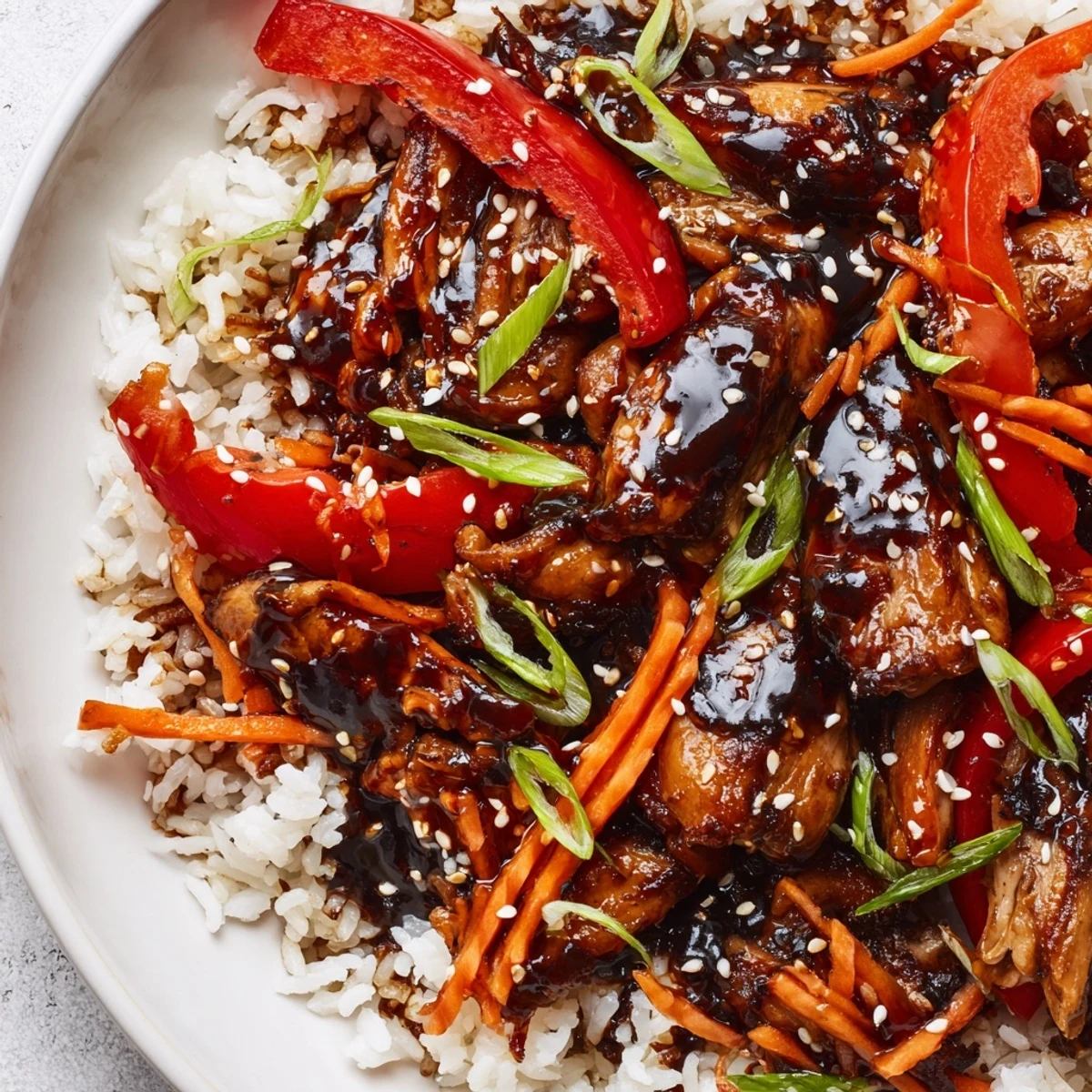
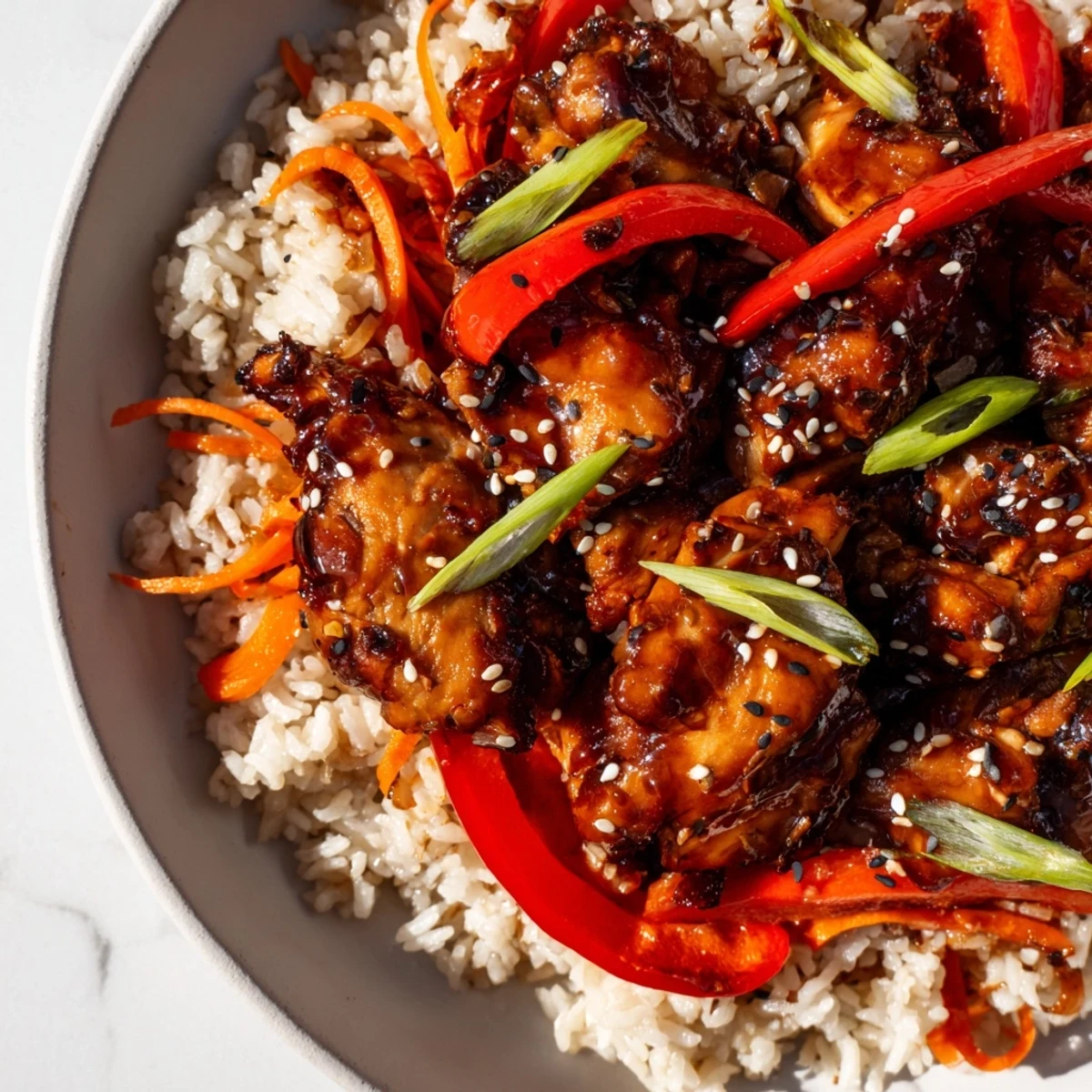
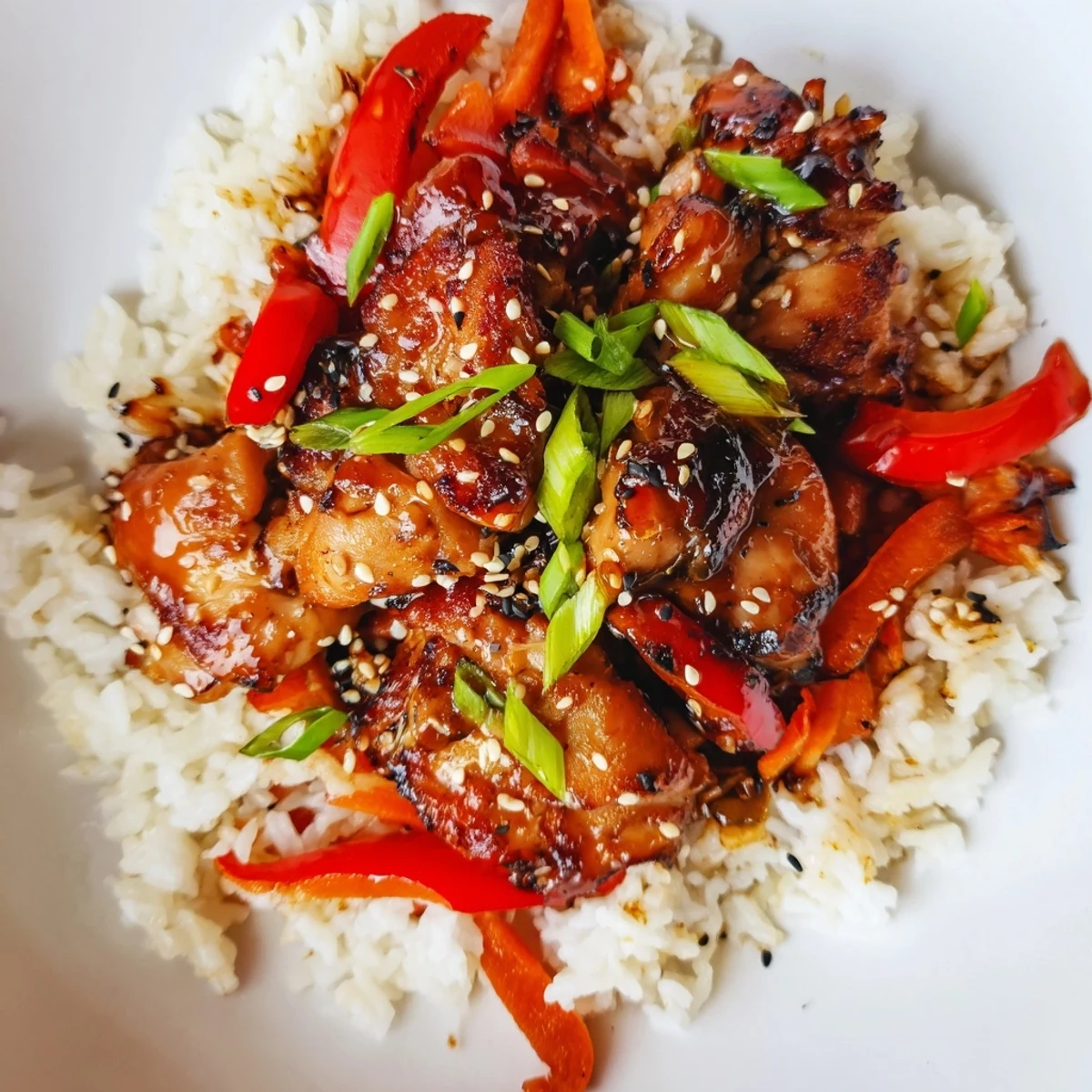
 This satisfying one-pan skillet combines tender chicken thighs marinated in Korean BBQ sauce with fragrant jasmine rice and colorful vegetables. The chicken soaks up a savory blend of soy sauce, sesame oil, honey, garlic, and ginger, while the rice cooks directly in the pan, absorbing all those delicious flavors. Red bell peppers, onions, and carrots add sweetness and crunch, creating a well-rounded meal that's perfect for busy weeknights. Top with green onions and toasted sesame seeds for extra texture and serve alongside kimchi for an authentic touch.
The first time I made this Korean BBQ chicken and rice, my kitchen smelled like my favorite Seoul restaurant. My roommate wandered in from her room asking what takeout Id ordered, and when I told her Id thrown it together in one pan, she literally didnt believe me until I showed her the empty cutting board.
Last winter when my sister came over complaining about being exhausted from work, I made this for dinner. She took three bites, put her fork down, and asked me to teach her the recipe right then at the table because she needed it in her weekly rotation immediately.
Ingredients
- 500 g boneless skinless chicken thighs: Thighs stay juicier than breast meat through the longer cooking time
- 4 tbsp Korean BBQ sauce: Bulgogi sauce works perfectly here but any Korean BBQ marinade will do
- 2 tbsp soy sauce: Adds that essential umami depth to the marinade
- 1 tbsp sesame oil: Toasted sesame oil gives such a warm nutty aroma
- 1 tbsp honey: Balances the salty soy sauce with just enough sweetness
- 2 cloves garlic minced: Fresh garlic beats preminced every single time
- 1 tsp grated fresh ginger: Use a microplane if you have one for the finest grate
- 1 small onion diced: Yellow onion works great but red adds nice color
- 1 red bell pepper sliced: The sweetness pairs beautifully with the Korean flavors
- 1 cup carrots julienned: Thin slices cook through evenly and look so pretty
- 1 cup jasmine rice rinsed: Shortgrain white rice works too but jasmine is my go to
- 2 cups chicken broth: Low sodium lets you control the salt level better
- 2 green onions sliced: Fresh onion on top makes such a difference
- 1 tbsp toasted sesame seeds: Toast them in a dry pan for 2 minutes first
Instructions
- Marinate the chicken:
- Toss the chicken pieces with Korean BBQ sauce, soy sauce, sesame oil, honey, garlic, and ginger in a bowl. Let it sit for at least 10 minutes while you prep the vegetables.
- Sear the chicken:
- Heat a splash of oil in your deep skillet over mediumhigh heat. Add the chicken and cook for about 4 minutes until it has a nice golden brown color.
- Add the vegetables:
- Toss in the onion, bell pepper, and carrots. Sauté everything together for another 3 minutes until the vegetables start to soften and smell amazing.
- Coat the rice:
- Stir in the rinsed rice and mix it thoroughly so every grain gets coated in those flavorful juices at the bottom of the pan.
- Simmer to perfection:
- Pour in the chicken broth and bring everything to a bubble. Turn the heat down to low, cover tightly, and let it cook for 20 to 25 minutes until the rice is tender.
- Rest and fluff:
- Remove the pan from heat but keep the lid on for 5 minutes. This step is crucial for perfectly fluffy rice. Then fluff everything gently with a fork.
- Finish with toppings:
- Sprinkle the green onions and sesame seeds over the top. Serve it piping hot with kimchi on the side if you have some.
 Pin it
 This recipe became my go to when I moved into my first apartment and realized I didnt own enough pots to make complicated meals. Now even my mom asks me to make it when she visits.
Making It Your Own
Ive learned that adding a tablespoon of gochujang to the marinade takes this to the next level if you like heat. The fermented chili paste adds such depth that regular red pepper flakes just cant match.
Vegetable Swaps That Work
Snap peas, zucchini, or even baby spinach can replace or supplement the vegetables depending on what I have in my fridge. The key is cutting everything into similar sizes so they cook evenly.
Serving Ideas
Sometimes I crack an egg on top during the last 5 minutes of cooking for extra protein. The white sets while the yolk stays runny and creates this incredible sauce when you break it.
- Fried egg on top makes it feel even more like a restaurant bowl
- Cucumber salad on the side cuts through the richness beautifully
- Leftovers reheat perfectly with a splash of water
 Pin it
 Theres something so satisfying about a complete meal that comes together in one pan but tastes like you spent hours on it.
Recipe FAQs
- → Can I use brown rice instead of white rice?
-
Brown rice works but will require additional liquid and longer cooking time. Increase broth to 2.5 cups and simmer for 40-45 minutes, or until the rice is tender. Keep the lid on tightly to ensure even steaming.
- → Is Korean BBQ sauce the same as gochujang?
-
No, they're different. Korean BBQ sauce (bulgogi sauce) is a sweeter, soy-based marinade, while gochujang is a fermented chili paste. You can add gochujang to the marinade if you want extra heat and depth of flavor.
- → Can I make this in advance?
-
Yes, this reheats beautifully. Store in an airtight container in the refrigerator for up to 3 days. Add a splash of water or broth when reheating to prevent the rice from drying out, and warm in a skillet or microwave.
- → What can I use instead of chicken thighs?
-
Chicken breast works well but may cook faster, so reduce the initial browning time to 2-3 minutes. You can also use thinly sliced pork, beef, or even firm tofu for a vegetarian version. Adjust cooking time as needed.
- → How do I make this gluten-free?
-
Use tamari instead of soy sauce and verify your Korean BBQ sauce is gluten-free or make your own with gluten-free ingredients. Serve with extra vegetables and kimchi for a complete meal.
- → Can I add more vegetables?
-
Absolutely. Zucchini, snap peas, mushrooms, baby spinach, or bok choy all work well. Add quick-cooking vegetables like spinach during the last 5 minutes of cooking, and hearty vegetables like mushrooms with the onions and peppers.