
 Pin it
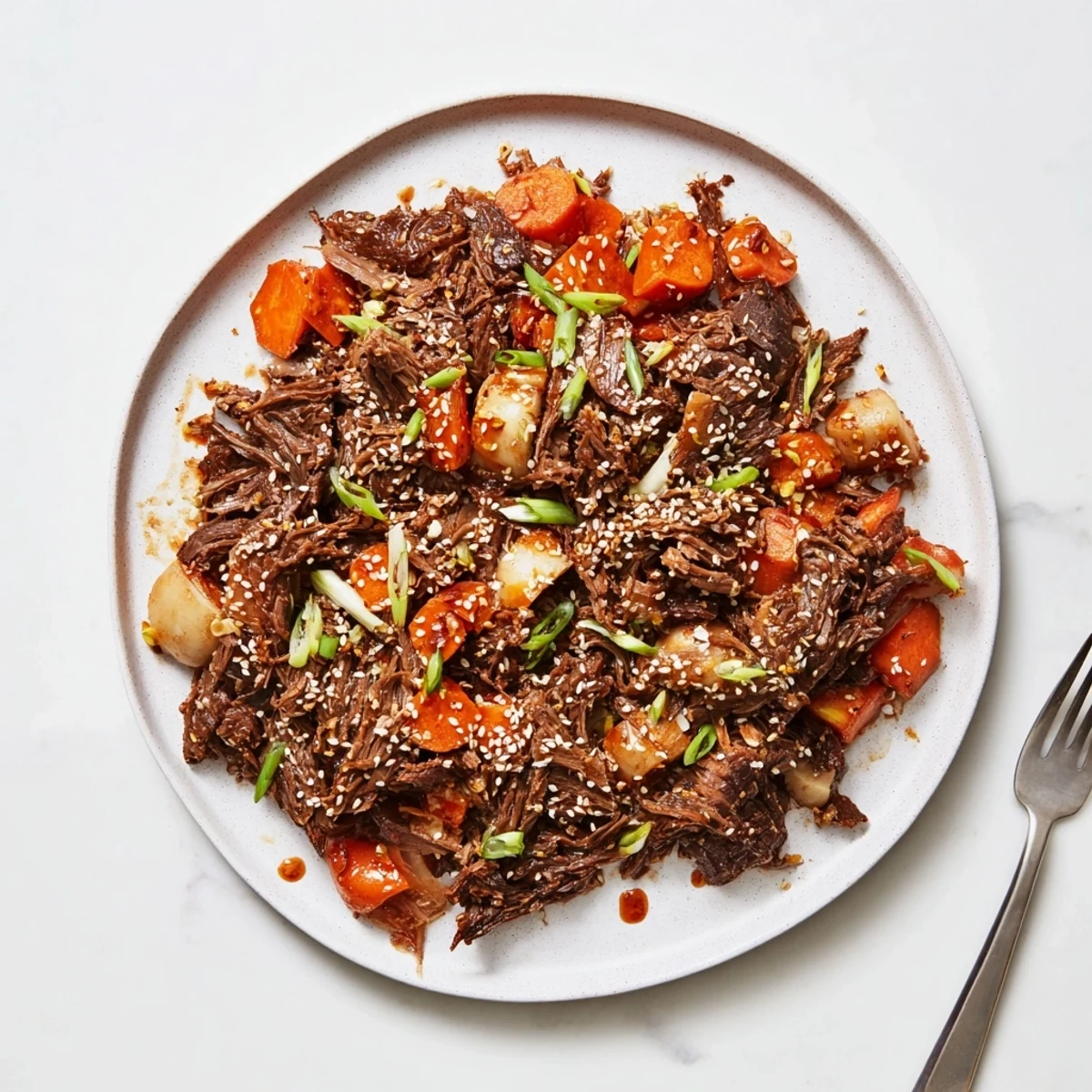
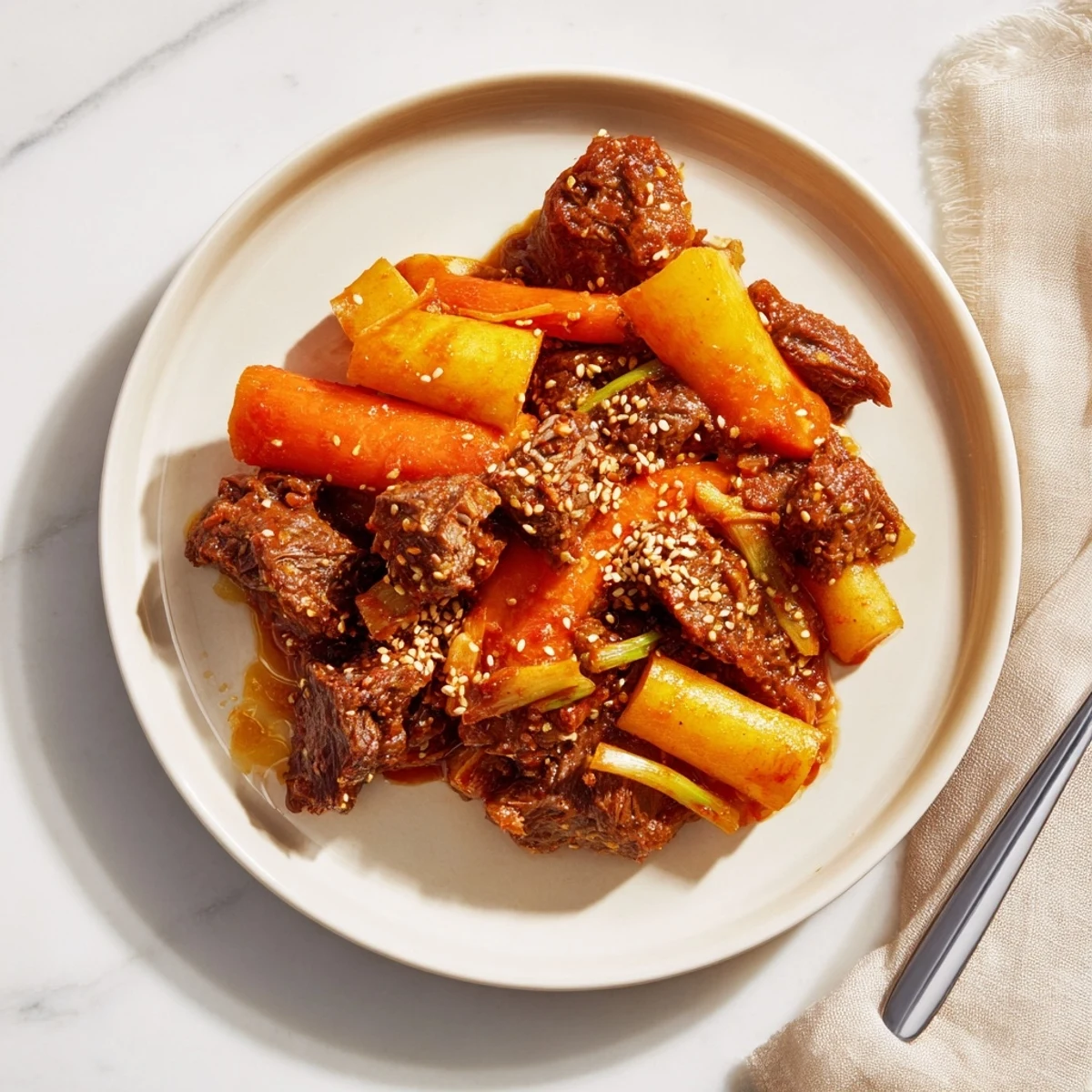
 This meltingly tender beef roast transforms during three hours of slow cooking in a rich Korean-inspired sauce. The chuck roast simmers alongside carrots, daikon radish, and onions in a savory-sweet blend of soy sauce, gochujang, sesame oil, garlic, ginger, and honey. The result is fork-tender meat that practically shreds on its own, coated in a deeply flavorful sauce that balances sweet and umami notes perfectly.
The first time I made this Korean-style pot roast, my apartment smelled like a fusion of my grandmother's Sunday cooking and my favorite Seoul restaurant. The gochujang and ginger filled every corner, and I remember my neighbor knocking to ask what I was making. That's when I knew this recipe was something special.
I served this at a small dinner gathering last winter, and one friend who claimed to dislike pot roast went back for thirds. There's something about the depth of flavor from the gochujang and the warmth of ginger that transforms a humble roast into something memorable.
Ingredients
- Beef chuck roast: This cut becomes buttery after hours of slow cooking, and trimming excess fat keeps the sauce rich without being greasy
- Kosher salt and black pepper: Simple seasoning that enhances the beef's natural flavor before the sauce takes over
- Low-sodium soy sauce: Provides the salty base while letting you control the overall saltiness
- Beef broth: Adds depth and body to the sauce
- Brown sugar: Balances the soy sauce and creates a beautiful caramelized finish
- Rice vinegar: Cuts through the richness with a subtle tang
- Gochujang: This Korean chili paste brings heat, sweetness, and umami all at once
- Sesame oil: Toasted sesame oil adds that distinct nutty aroma we associate with Korean cuisine
- Honey: Helps the sauce cling to the meat and adds another layer of sweetness
- Fresh ginger: Grated fresh ginger makes a huge difference compared to dried
- Garlic: Six cloves might seem like a lot, but it mellows beautifully during cooking
- Yellow onion: Sweetens as it cooks and becomes part of the sauce
- Carrots: They absorb the sauce and become candy-like and tender
- Daikon radish: Adds a lovely texture and mild sweetness that's traditional in Korean braising
- Scallions: The white parts cook with the roast, the green parts garnish at the end
- Toasted sesame seeds: The final crunch that makes each bite complete
Instructions
- Get your oven ready:
- Preheat to 325°F so everything's set when you're ready to braise
- Season the beef:
- Pat the roast completely dry with paper towels, then sprinkle salt and pepper all over every surface
- Sear for flavor:
- Heat a tablespoon of oil in your Dutch oven over medium-high heat, then brown the roast deeply on all sides until it's golden and crusty
- Build the base:
- Sauté the sliced onion in the same pot for a couple of minutes until it starts to soften
- Whisk the sauce:
- Combine the soy sauce, broth, brown sugar, rice vinegar, gochujang, sesame oil, honey, ginger, and garlic until smooth
- Assemble everything:
- Return the beef to the pot, scatter the carrots, daikon, and scallion pieces around it, then pour the sauce over everything
- Slow cook to perfection:
- Bring to a simmer on the stove, cover tightly, and transfer to the oven for about 3 hours until the beef shreds easily
- Finish and serve:
- Remove the meat and vegetables, skim any excess fat from the sauce, slice or shred the beef, and top with sesame seeds and fresh scallions
 Pin it
 My mother-in-law asked for this recipe after just one bite, and now she makes it for her bridge club every month. It's become one of those dishes that shows up at family gatherings and potlucks, and the empty serving dish always comes back home.
Making It Ahead
This roast actually improves after a night in the refrigerator. The flavors deepen and the fat solidifies on top, making it easy to remove before reheating. I often make it on Sunday and we're still enjoying it for Tuesday dinner.
Serving Suggestions
Steamed white rice is the classic accompaniment, soaking up all that flavorful sauce. A simple cucumber salad with rice vinegar dressing cuts through the richness. And don't forget the kimchi, its tangy crunch is the perfect contrast.
Customizing Your Roast
Once you master the basic recipe, you'll find yourself tweaking it to suit your taste. Some variations I've loved:
- Add star anise or cinnamon sticks to the sauce for subtle warmth
- Toss in shiitake mushrooms during the last hour of cooking
- Finish with a drizzle of sesame oil and extra fresh ginger right before serving
 Pin it
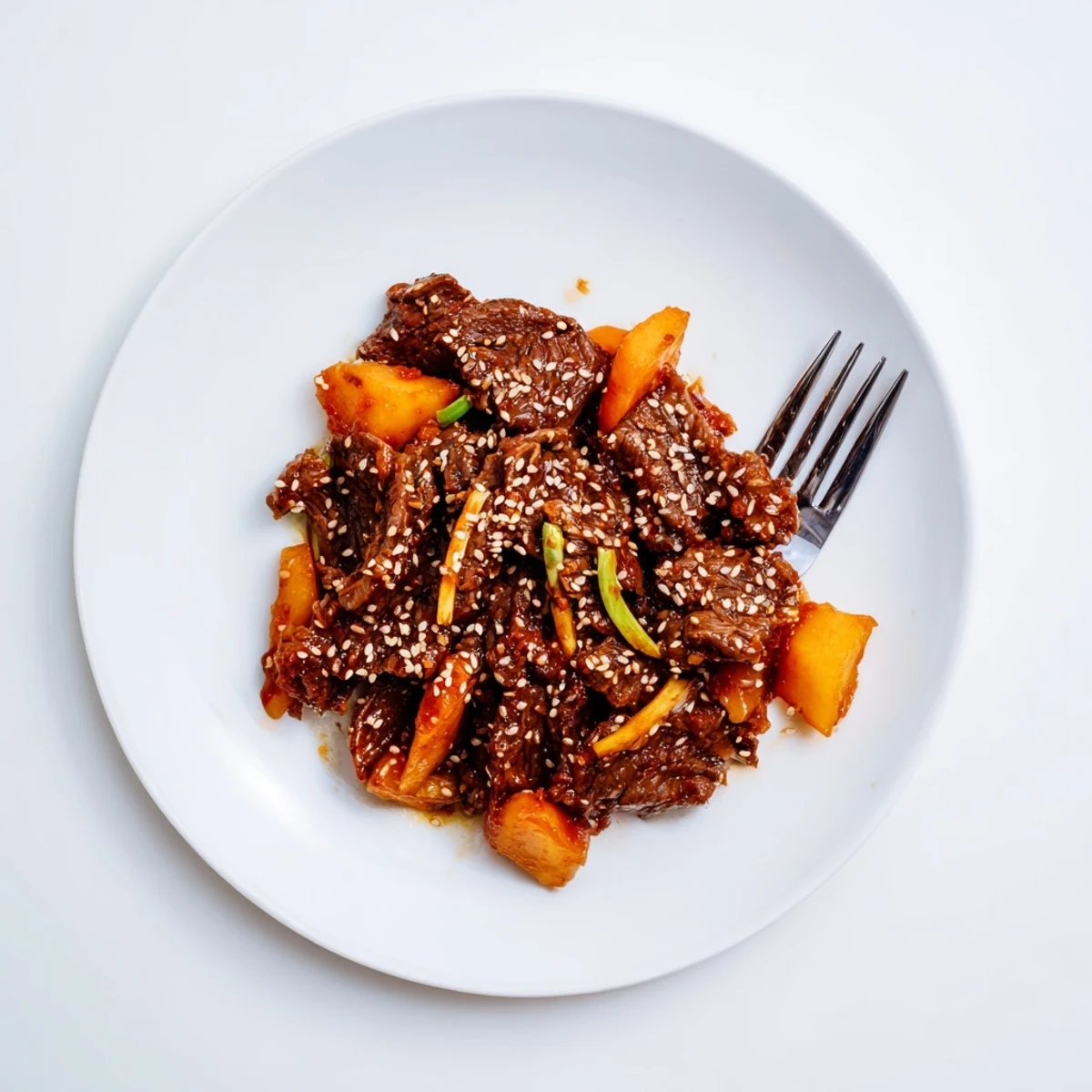
 There's something deeply satisfying about a recipe that brings together two culinary worlds so seamlessly. I hope this Korean-style pot roast becomes a favorite in your kitchen too.
Recipe FAQs
- → What cut of beef works best for this dish?
-
Chuck roast is ideal because it becomes meltingly tender during long, slow cooking. The marbling breaks down over three hours, creating succulent, fork-tender meat that absorbs all the Korean-inspired flavors.
- → Can I make this in a slow cooker instead?
-
Absolutely. Sear the beef first, then transfer everything to your slow cooker. Cook on low for 7-8 hours or on high for 4-5 hours until the beef shreds easily with a fork.
- → How spicy is this dish?
-
The gochujang provides mild to medium heat depending on the brand. You can easily adjust the spice level by adding more gochujang or red pepper flakes if you prefer it hotter.
- → What should I serve with this?
-
Steamed white rice is perfect for soaking up the flavorful sauce. Kimchi adds a traditional Korean element and fresh contrast. You could also serve with roasted vegetables or Asian noodles.
- → Can I prepare this ahead of time?
-
This actually tastes even better the next day. Make it up to two days ahead and refrigerate. The flavors deepen and the sauce thickens. Reheat gently on the stove, adding a splash of broth or water if needed.
- → What can I substitute for daikon radish?
-
Potatoes work beautifully as a substitute, becoming tender and creamy in the sauce. Regular radishes or turnips also provide similar texture and flavor absorption during the long cooking time.