
 Pin it
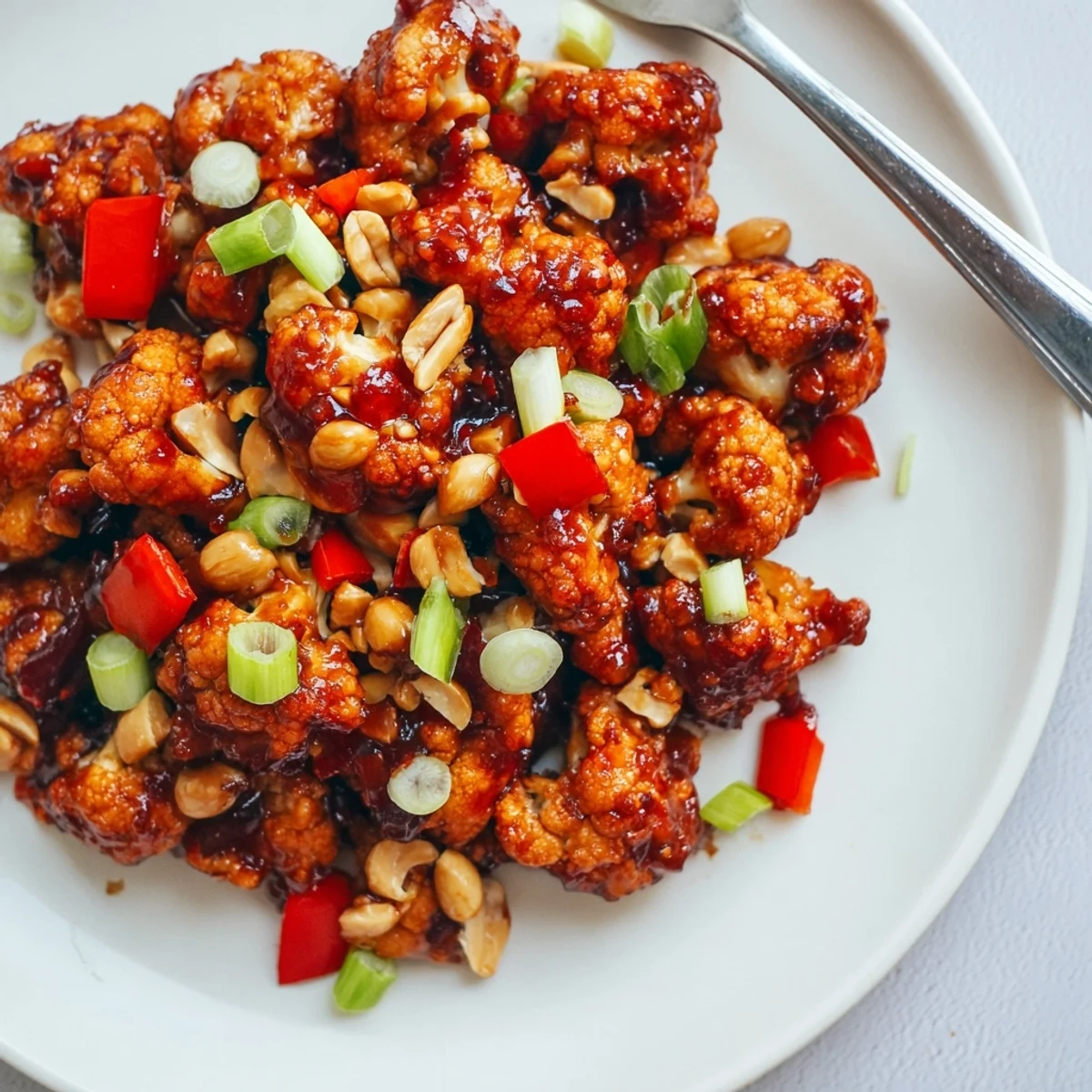
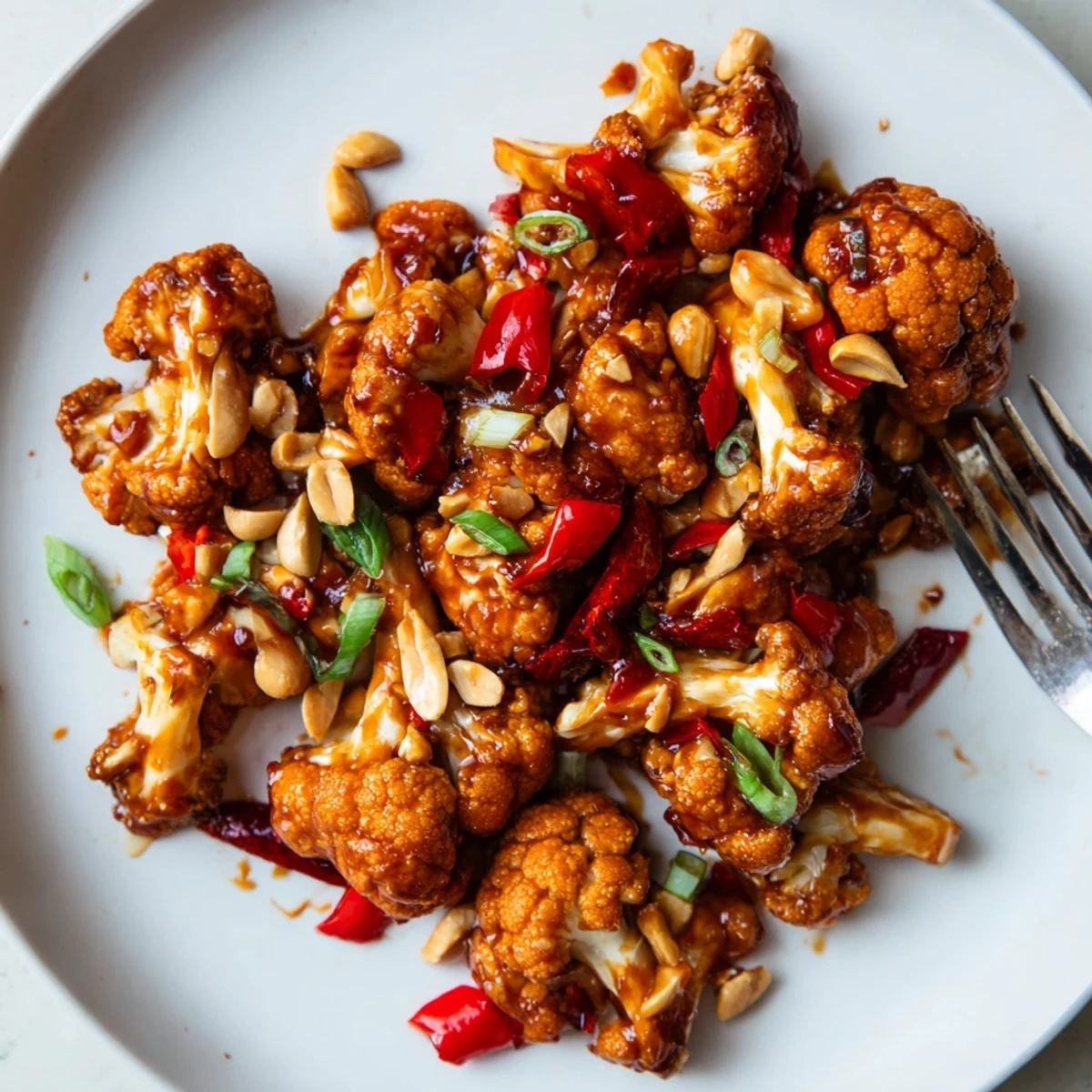
 This vibrant plant-based twist on classic Sichuan cuisine delivers crispy roasted cauliflower florets coated in a bold, balanced sauce. The dish features a harmonious blend of soy sauce, rice vinegar, hoisin, and sesame oil, creating that signature spicy-tangy-sweet flavor profile. Dried red chilies, fresh ginger, and garlic provide aromatic heat, while roasted peanuts add essential crunch and nuttiness. Red bell peppers contribute sweetness and color, contrasting beautifully with the tender-crisp cauliflower.
The preparation involves roasting cornstarch-coated cauliflower until golden, then tossing it in a wok with the aromatic stir-fry base and luscious glaze. Ready in 45 minutes, this vegan dish pairs perfectly with steamed rice or quinoa. Adjust spice levels by varying dried chilies or adding Sichuan peppercorns for authentic numbing heat.
The first time I made this, my roommate kept wandering into the kitchen asking what smelled so incredible. That signature Kung Pao aroma of toasted chilies and ginger had filled our entire apartment. When we finally sat down to eat, she could not believe this crispy, spicy, sauce-coated masterpiece was entirely plant-based. Now it is the one dish I make when I need to convert anyone skeptical about vegan food.
Last winter my sister came over for dinner after mentioning she wanted to eat more plant-based meals. I served this Kung Pao cauliflower with fluffy white rice, and halfway through she stopped chewing and asked if I was sure there was no chicken involved. The way the crispy florets hold onto that thick, glossy sauce while the peanuts add crunch throughout every bite is pretty magical. Now she requests this recipe at least once a month.
Ingredients
- 1 large head cauliflower: Cut into uniform bite-sized florets so they roast evenly and get that perfect golden crispiness on all edges
- 2 tbsp cornstarch: This is the secret to creating that light, crispy coating that mimics the texture of fried food without all the oil
- 1 tbsp vegetable oil: Just enough to help the cornstarch adhere and promote even browning in the oven
- ½ tsp salt: Seasons the cauliflower from the inside out since the sauce will be salty on its own
- 3 tbsp soy sauce: The foundation of our sauce, providing that deep umami flavor that makes Kung Pao so satisfying
- 2 tbsp rice vinegar: Cuts through the rich sauce with bright acidity that balances the sweetness perfectly
- 1½ tbsp hoisin sauce: Adds complex fermented flavor and a beautiful mahogany color to the finished dish
- 1 tbsp maple syrup or sugar: Just enough sweetness to round out the heat and create that signature glossy finish
- 1 tbsp sesame oil: Brings a nutty aroma and depth that distinguishes this from basic stir-fry sauces
- 2 tsp cornstarch mixed with 2 tbsp water: This slurry is what transforms the sauce into something that clings to every piece of cauliflower
- 4 dried red chilies: Toast these in oil first to release their essential oils and infuse the entire dish with heat
- 3 cloves garlic: Minced fresh garlic provides that sharp, aromatic kick that you cannot get from powder
- 1 tbsp fresh ginger: Grated or minced, this adds a warm, zesty brightness that cuts through the rich sauce
- ½ cup unsalted roasted peanuts: These provide the classic crunch and nutty flavor that defines authentic Kung Pao
- 1 red bell pepper: Diced small to cook quickly and add sweet crunch and vibrant color throughout
- 4 green onions: Use the white parts for cooking and save the green tops for a fresh finish on top
Instructions
- Get the oven hot and ready:
- Preheat to 425°F and line a baking sheet with parchment paper to prevent sticking and make cleanup easier later
- Coat the cauliflower for maximum crispiness:
- In a large bowl, toss the florets with cornstarch, oil, and salt until every piece is evenly covered and looks dusted
- Roast until golden and tender:
- Spread coated cauliflower on the prepared baking sheet and roast for 20 to 25 minutes, flipping halfway through cooking
- Whisk together the sauce:
- While cauliflower roasts, combine all sauce ingredients in a small bowl and whisk until the cornstarch has fully dissolved
- Toast the dried chilies:
- Heat oil in a large skillet or wok over medium-high heat and add broken chilies, cooking for 30 seconds until fragrant
- Build the aromatic base:
- Add garlic, ginger, and the white parts of the green onions to the pan and stir-fry for 1 minute until fragrant
- Add the bell pepper:
- Toss in the diced red bell pepper and cook for 2 to 3 minutes until it starts to soften but still retains some crunch
- Combine everything:
- Add roasted cauliflower and peanuts to the pan, then pour in the sauce and toss until everything is coated
- Finish and serve:
- Cook for 2 to 3 minutes until sauce thickens and clings to the cauliflower, then top with green onion parts and serve immediately
 Pin it
 This recipe became my go-to dinner party dish after I served it to my friend who runs a food blog. She asked for the recipe before she even finished her first serving and later told me it was now in her regular rotation. Something about the combination of textures and that perfect balance of sweet, spicy, and savory just works every single time.
Making It Your Own
While I love the classic combination of cauliflower and peanuts, this recipe adapts beautifully to other vegetables and proteins. I have made it with cubed sweet potato for extra sweetness and with crispy tofu for added protein. The sauce works with just about anything that can hold up to a good toss in the pan.
Serving Suggestions
Steamed jasmine rice is my favorite pairing because the fluffy grains soak up every drop of that incredible sauce. For a lighter option, I have served it over cauliflower rice or alongside simple stir-fried bok choy with garlic. The dish works as a main course or as part of a larger Chinese-inspired spread with dumplings and soup.
Storage And Meal Prep
This recipe actually tastes even better the next day once the flavors have had time to meld together. Store leftovers in an airtight container in the refrigerator for up to four days. Reheat gently in a skillet with a splash of water to bring back the sauce's glossy consistency.
- The cauliflower will soften in the fridge, so give it a quick re-crisp in a hot pan if texture matters to you
- Make a double batch of the sauce and keep it in a jar for quick weeknight stir-fries
- Pre-cut your cauliflower and vegetables the night before to make dinner assembly even faster
 Pin it
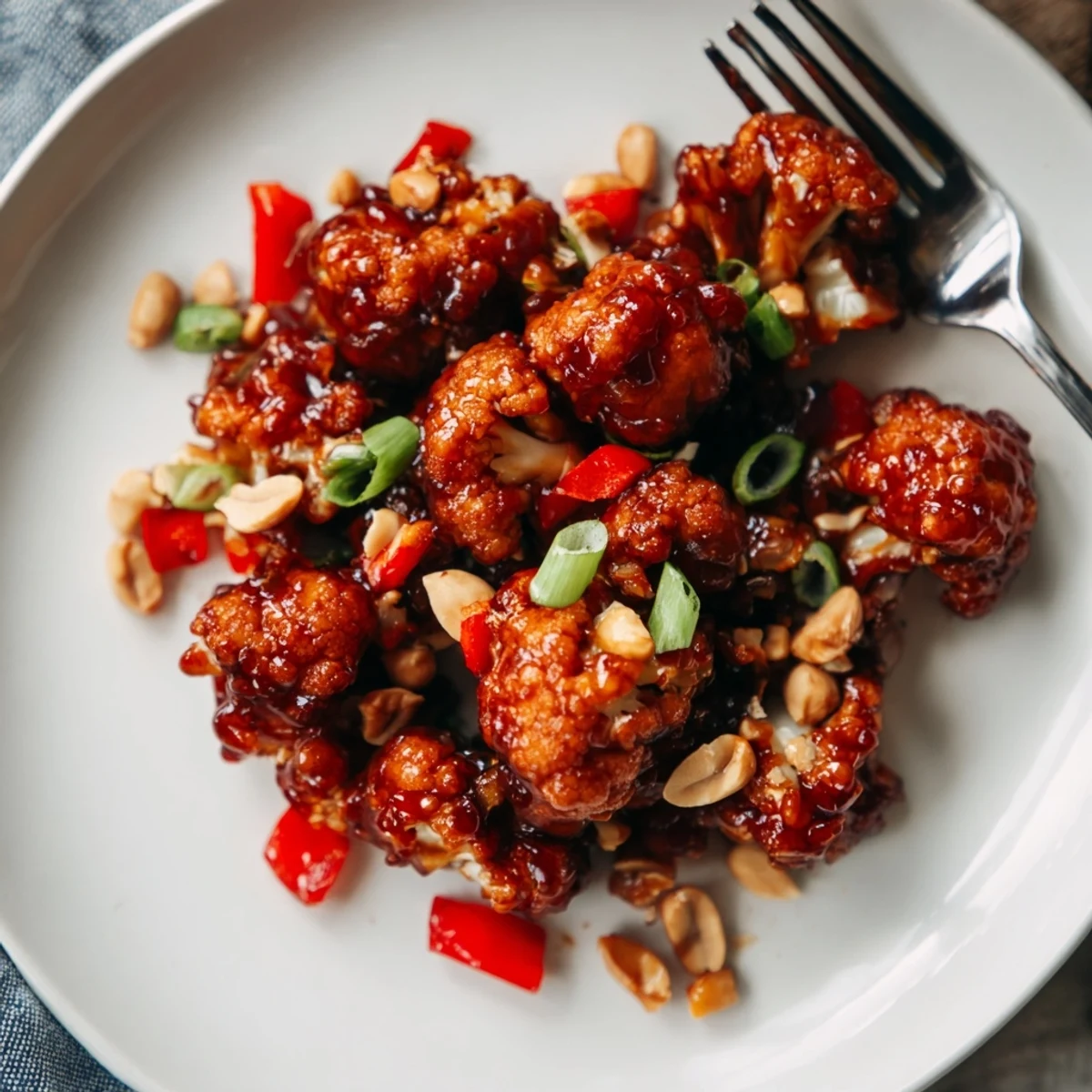
 There is something deeply satisfying about taking a classic dish and making it entirely plant-based without losing any of what made it beloved in the first place. This Kung Pao cauliflower has become one of those recipes I return to again and again because it never fails to impress.
Recipe FAQs
- → How do I make this gluten-free?
-
Use tamari instead of soy sauce and ensure your hoisin sauce is certified gluten-free. Double-check all condiment labels for hidden gluten ingredients. The cornstarch coating is naturally gluten-free.
- → Can I reduce the spice level?
-
Absolutely. Decrease or omit the dried red chilies, and remove them before adding the cauliflower if you prefer just their aromatic flavor without the heat. You can also serve with cooling elements like cucumber or plain rice.
- → What's the best way to reheat leftovers?
-
Reheat in a skillet over medium heat for 5-7 minutes, adding a splash of water if the sauce has thickened too much. The microwave works but may soften the cauliflower's crispy texture. Avoid prolonged reheating to prevent the sauce from becoming gummy.
- → Can I use frozen cauliflower?
-
Fresh cauliflower works best for achieving that crispy texture. Frozen cauliflower releases more moisture during cooking, making it difficult to get the desired crunch. If using frozen, thaw and pat thoroughly dry before coating with cornstarch, though results will vary.
- → What can I substitute for peanuts?
-
Cashews make an excellent alternative, providing similar crunch and richness. For nut-free versions, try roasted sunflower seeds or pumpkin seeds. You can also omit nuts entirely and add extra vegetables like broccoli or snap peas for texture.
- → How can I add more protein?
-
While cauliflower provides some fiber, you can boost protein by adding edamame, cubed tofu, or tempeh during the final minutes of cooking. These absorb the flavorful sauce beautifully while complementing the dish's plant-based profile.