
 Pin it
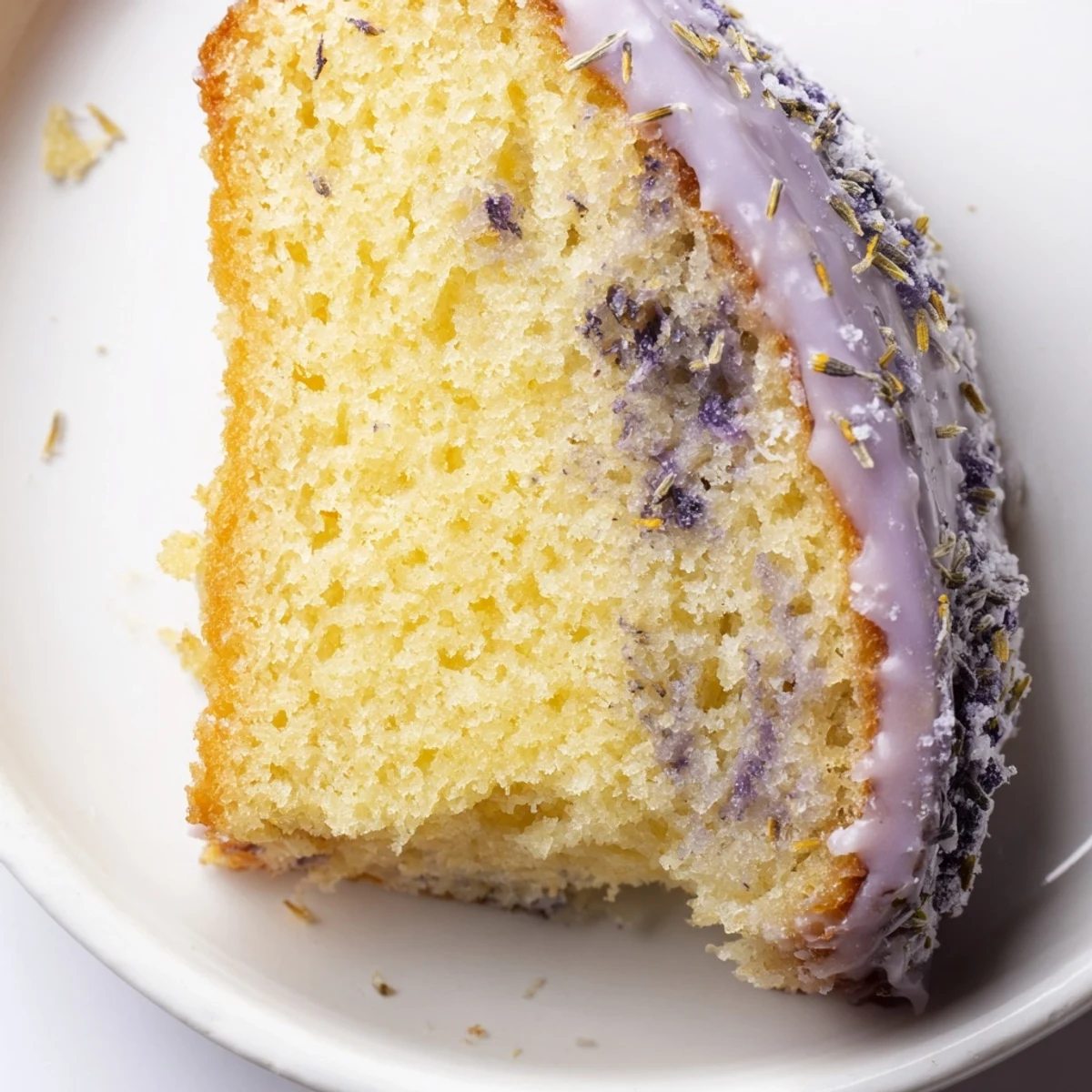
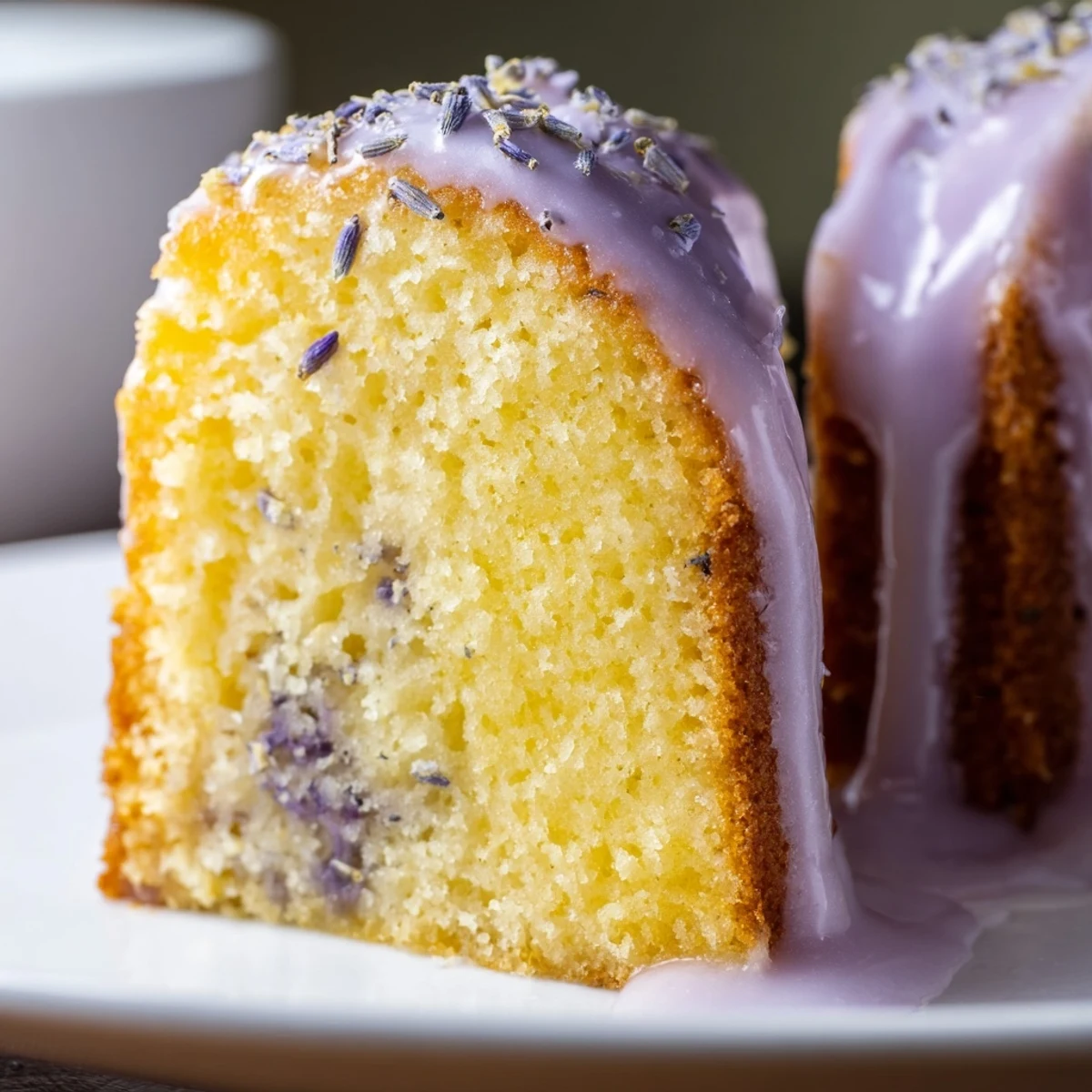
 This elegant lavender cake brings the essence of European patisserie to your kitchen. Infused with fragrant culinary lavender buds and finished with a bright lemon glaze, it strikes a perfect balance between floral and citrus notes.
The butter-based batter creates a tender crumb that pairs beautifully with afternoon tea or as a light dessert. Optional lavender syrup adds extra moisture and intensifies the aromatic experience.
Best served at room temperature, this cake can be prepared a day ahead, allowing the flavors to develop further.
The smell of lavender always takes me back to my aunt's garden in Provence, where we'd sit under gnarled olive trees while bees droned through purple hedgerows. She taught me that lavender belongs in more than just sachets and soaps. One rainy afternoon she pulled me into her tiny kitchen to prove it.
I served this at a spring brunch last year when the dogwood trees were just starting to bloom. My neighbor, who claims to hate anything floral in food, asked for seconds before I'd even finished my first slice.
Ingredients
- All-purpose flour: The backbone of the cake, sifted for a tender crumb that melts on your tongue.
- Baking powder: Fresh baking powder is essential here for that gentle lift without toughness.
- Salt: Just enough to wake up the flavors and keep the sweetness from becoming cloying.
- Unsalted butter, softened: Room temperature butter creams properly and creates those tiny air pockets we want.
- Granulated sugar: Standard white sugar lets the lavender shine without competing flavors.
- Large eggs: Bring them to room temperature so they incorporate smoothly into the batter.
- Culinary lavender buds: Only use food grade lavender and chop it finely to release the aromatic oils.
- Vanilla extract: A warm background note that rounds out the floral intensity beautifully.
- Whole milk: The fat content matters here for moisture and a rich, tender texture.
- For the optional syrup: Water, sugar, and lavender buds for soaking into the warm cake layers.
- For the glaze: Powdered sugar, fresh lemon juice, and more lavender for that gorgeous finish.
Instructions
- Prepare your pan and oven:
- Heat the oven to 350°F and generously grease an 8-inch round pan with butter and a dusting of flour.
- Whisk the dry ingredients:
- Combine flour, baking powder, and salt in a bowl, whisking until evenly distributed.
- Cream butter and sugar:
- Beat softened butter with sugar until the mixture turns pale and fluffy, about three minutes of vigorous mixing.
- Add eggs and flavor:
- Beat in eggs one at a time, then fold in the chopped lavender and vanilla until fragrant.
- Combine wet and dry:
- Alternate adding flour mixture and milk, starting and ending with flour, mixing just until no streaks remain.
- Bake the cake:
- Pour batter into the prepared pan, smooth the top, and bake 25 to 30 minutes until a toothpick comes out clean.
- Make the optional syrup:
- While baking, simmer water, sugar, and lavender for three minutes, then strain the fragrant liquid.
- Cool and soak:
- Let cake cool ten minutes, poke holes across the surface, and brush with warm syrup if using.
- Prepare the glaze:
- Whisk powdered sugar with lemon juice and lavender until smooth and pourable.
- Finish and serve:
- Drizzle glaze over the completely cooled cake and let it set before slicing into eight generous pieces.
 Pin it
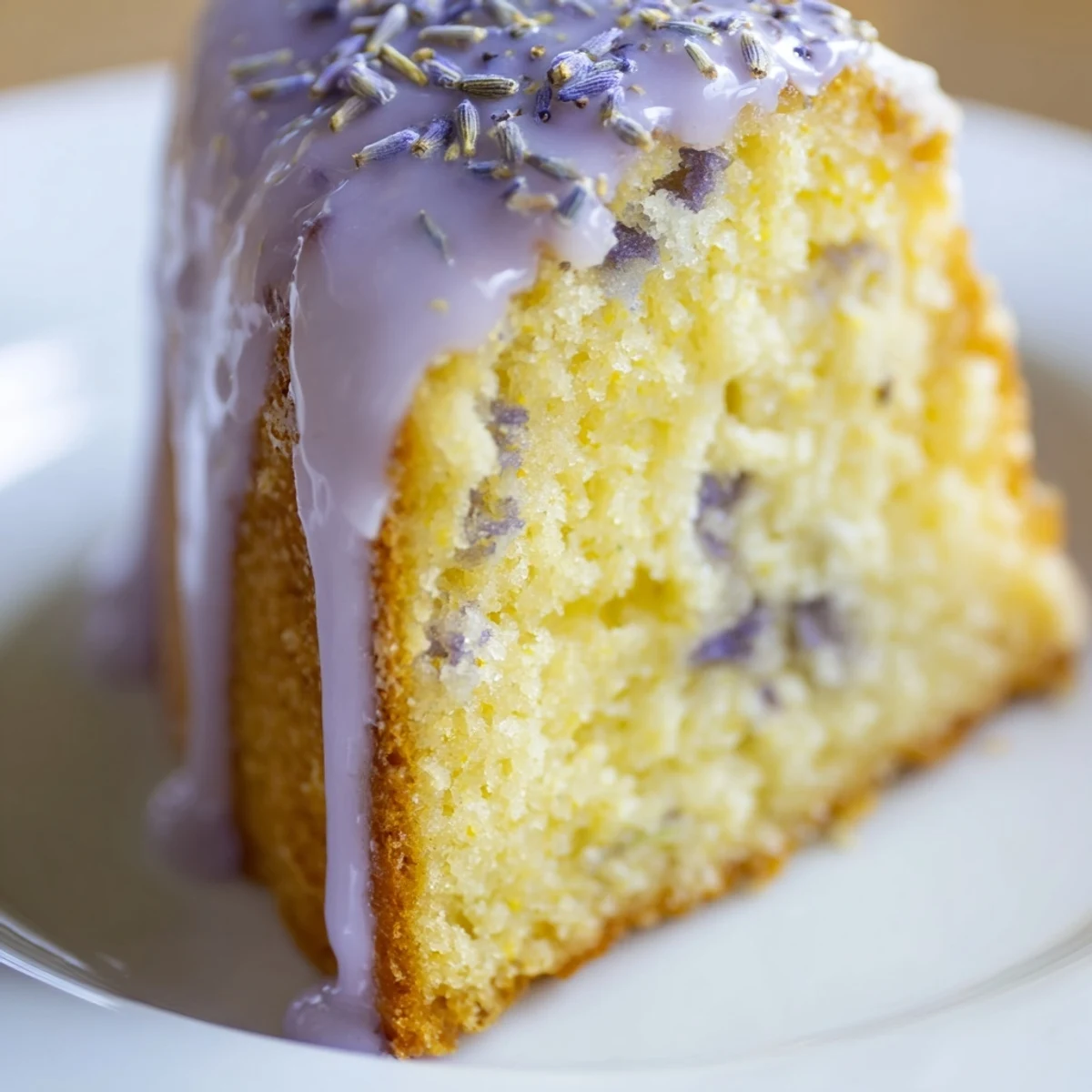
 There's something almost ceremonial about drizzling that pale purple glaze over the cooled cake. I remember photographing it once for a friend's wedding tasting, the afternoon light catching those tiny purple flecks like scattered jewels.
Serving Suggestions
This cake pairs wonderfully with Earl Grey tea, which echoes the bergamot notes and creates a lovely afternoon ritual. A glass of sparkling rosé also works beautifully for outdoor celebrations.
Storage and Make Ahead
The unglazed cake keeps for three days at room temperature when wrapped well in plastic. You can also freeze the plain cake layers for up to a month and glaze them after thawing.
Variations I Have Tried
Over the years I have experimented with different approaches to this base recipe.
- Replace half the sugar with honey for a deeper, more complex sweetness.
- Add lemon zest to the batter for brighter citrus notes throughout.
- Use almond milk and plant butter for a lactose-free version that still bakes beautifully.
 Pin it
 Every time I bake this cake, I think of that rainy afternoon in Provence and smile. Some recipes are more than instructions: they are tiny edible postcards from moments we never want to forget.
Recipe FAQs
- → Where can I find culinary lavender buds?
-
Culinary lavender buds can be found at specialty food stores, tea shops, or online retailers. Ensure the lavender is labeled as food-grade or culinary quality, as some lavender sold for crafts may have been treated with chemicals.
- → Can I make this cake ahead of time?
-
Yes, this cake actually improves after resting overnight. Store it covered at room temperature for up to 2 days, or refrigerate for up to 5 days. Bring to room temperature before serving for best flavor and texture.
- → Why is my lavender cake tasting soapy?
-
Too much lavender can create a soapy flavor. Start with the recommended amount and finely chop the buds to release their oils. If sensitive to strong floral notes, reduce the lavender by half for a more subtle taste.
- → What pairs well with lavender cake?
-
Earl Grey tea complements the floral notes beautifully. Other excellent pairings include chamomile tea, sparkling wine, fresh berries, or a dollop of lightly sweetened whipped cream.
- → Can I use dried lavender from my garden?
-
Home-grown lavender works if it's culinary English lavender (Lavandula angustifolia) grown without pesticides. Avoid ornamental varieties, which can have a camphor-like taste. Dry the buds thoroughly before using.