
 Pin it
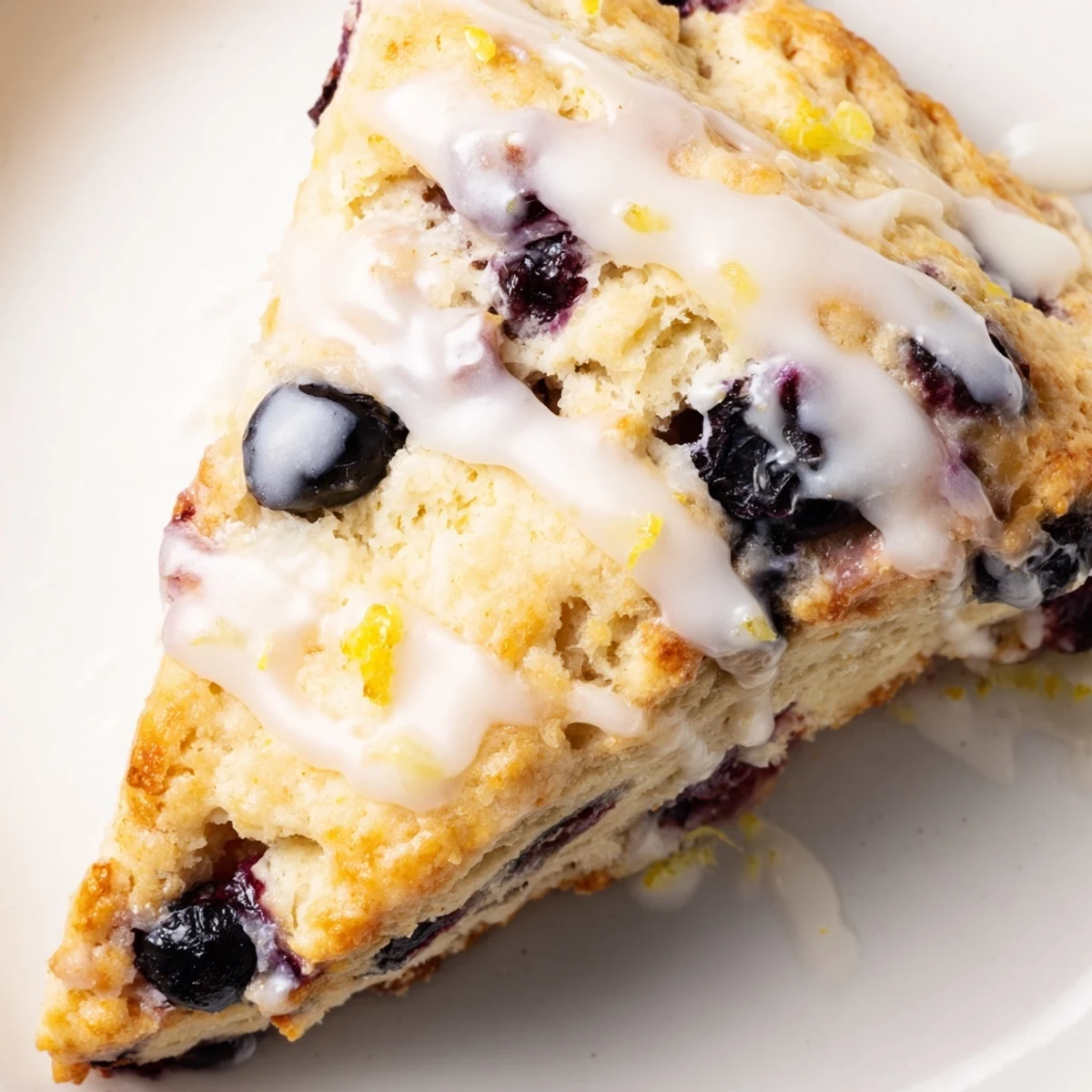
 These tender scones feature a buttery texture enriched with bright lemon zest and fresh blueberries. Mix cold butter into the flour until crumbly, fold in the fruit, and bake until golden. Finish by drizzling with a smooth vanilla glaze for a sweet, glossy touch that makes them ideal for brunch.
There's something almost magical about the moment when butter, flour, and fresh blueberries come together to create something that smells like a summer farmers market in your own kitchen. I discovered these scones on a gray morning when I was desperate to impress someone I'd just met, and somehow the combination of bright lemon and those juicy berries turned what could have been nervous baking into something genuinely special. The tender crumb, the little bursts of fruit, the way the vanilla glaze catches the light—it all felt like I'd unlocked a small kitchen secret. Now they're what I reach for whenever I want breakfast to feel like an occasion.
I still remember bringing a batch to a potluck where everyone assumed they were store-bought until someone bit into one and tasted actual butter and real lemon. The surprised silence lasted maybe three seconds before people were back for seconds, and that's when I knew this recipe was a keeper. It's become the thing friends text me about, asking if I'm bringing them to the next gathering—the ultimate compliment.
Ingredients
- All-purpose flour (2 cups): The foundation that needs to stay cold to create those tender, flaky layers; don't sift unless your flour is really compacted, just stir and measure.
- Granulated sugar (1/3 cup): Sweetness without overwhelming the delicate lemon and fruit flavors.
- Baking powder (1 tablespoon): The gentle lift that keeps these fluffy rather than dense.
- Salt (1/2 teaspoon): A small amount that makes the lemon taste even brighter.
- Lemon zest (1 tablespoon): This is where the magic starts—fresh, finely grated zest, not the pre-dried stuff that tastes like nothing.
- Unsalted butter (1/2 cup, cold and cubed): Cold is the entire secret here; frozen butter creates tiny pockets that puff up in the oven and give you that coveted tender crumb.
- Heavy cream (2/3 cup plus brushing cream): Richer than milk, which is what makes these scones feel luxurious rather than ordinary.
- Egg (1 large): The binder that holds everything together without making them tough.
- Pure vanilla extract (1 teaspoon): A whisper of warmth that rounds out the lemon without competing with it.
- Fresh blueberries (1 cup): Use frozen straight from the freezer if that's what you have; they release less juice and stay whole, which I learned the hard way.
- Confectioners sugar (1 cup, sifted): For the glaze that turns warm scones into something that looks like you studied pastry in France.
- Milk or cream (2 tablespoons): Just enough to make the glaze silky and pourable.
Instructions
- Start cold and stay organized:
- Preheat your oven to 400°F and line a baking sheet with parchment paper—those first two minutes matter because you're going to want everything ready once you start mixing. Cold is the entire philosophy here, so work quickly and keep your butter in the freezer until the last possible moment.
- Build the dry base:
- Whisk together flour, sugar, baking powder, salt, and lemon zest in a large bowl, really getting that zest distributed so every bite tastes bright. You can actually smell the lemon as you work, which is how you know you're on the right track.
- Cut in the butter:
- Add your cold, cubed butter and work it in with a pastry cutter or your fingertips until the whole thing looks like coarse breadcrumbs; this is the crucial step where patience actually wins, so don't rush it and don't let your hands get too warm. You want visible little butter flakes, not a smooth paste.
- Bring the wet together:
- In another small bowl, whisk cream, egg, and vanilla until combined, then pour it over the dry mix and stir just until everything is barely holding together. Overmixing is the enemy here—you're looking for a shaggy dough, not a smooth one.
- Fold in the berries gently:
- Add your blueberries with the lightest hand possible, turning the dough over itself a few times until they're distributed without being crushed.
- Shape and cut:
- Turn the dough onto a lightly floured surface and pat it into a circle about 1 inch thick, then cut it into 8 wedges like you're slicing pizza; transferring them to your baking sheet with a bit of space between each one matters because they need room to puff.
- The egg wash moment:
- Brush the tops with that extra cream, which is what creates that beautiful golden finish that makes them look professional.
- Bake until golden:
- Slide them into the oven for 18 to 22 minutes—they're done when the tops are a warm golden brown and a toothpick comes out clean. Let them cool on a wire rack so the steam escapes and they don't get soggy on the bottom.
- Make the glaze:
- Whisk confectioners sugar, milk, and vanilla until it's smooth and drizzle-able, then pour it over the cooled scones in whatever artistic way feels right to you.
 Pin it
 I'll never forget the first time someone told me these scones reminded them of a proper British tea service they'd had years ago, mixed with something bright and American—and it felt like the recipe had finally become its own thing. That's when I stopped worrying about whether I was doing it right and just started enjoying the fact that something so simple could bring that much happiness to a breakfast table.
The Art of the Tender Crumb
The secret that separates these scones from the dense, sad ones you sometimes find is all about respecting the butter and not overworking the dough. The moment you start mixing, you're activating gluten, and too much gluten means tough scones. Think of your hands as a gentle guide, not a sculptor—you're coaxing flavors together, not forcing them into submission. Once you understand this, you'll stop being nervous about the technique and start enjoying the process.
Lemon Zest: The Small Thing That Changes Everything
Fresh lemon zest is where these scones get their personality, and it's honestly worth buying a good microplane just for this. The oils in the zest are what make your kitchen smell like someone professionally bakes there, and it's the same oils that keep the scones tasting bright and interesting instead of one-note sweet. I learned this after trying to substitute lemon extract once, which taught me that some shortcuts taste like shortcuts.
Why This Recipe Travels Well
These scones actually stay tender and delicious for a couple of days if you store them in an airtight container, which means you can make them ahead and still feel like you're serving something fresh and special. I've brought them to picnics, wrapped them for weekend trips, and even mailed them to a friend, and they've held up beautifully every time. The vanilla glaze helps protect them too, sealing in moisture without making them soggy.
- Make them the morning of if you want the absolute best texture, but don't stress if you need to prep the night before.
- Store them at room temperature, not in the fridge, which actually dries them out faster than you'd expect.
- If you want to serve them warm, a quick 30 seconds in the microwave brings back that just-baked tenderness.
 Pin it
 These scones have a way of making ordinary mornings feel intentional, and that's worth the 20 minutes it takes to put them together. Serve them warm with cream and jam, watch someone's face light up, and remember that the best recipes are the ones that become small traditions.
Recipe FAQs
- → Can I use frozen blueberries?
-
Yes, you can use frozen blueberries. Add them directly to the dough without thawing to prevent them from bleeding into the batter and keep the texture firm.
- → How should I store the scones?
-
Store them in an airtight container at room temperature. They are best enjoyed on the day they are made but will stay fresh for up to 2 days.
- → Can I make the glaze more lemony?
-
Absolutely. You can add one tablespoon of fresh lemon juice to the confectioners' sugar mixture to enhance the citrus flavor in the glaze.
- → Why must the butter be cold?
-
Cold butter creates small pockets of steam when baking, resulting in a flaky and tender texture. If the butter melts too early, the scones may become dense.
- → What should I serve with these?
-
These pair wonderfully with clotted cream or lemon curd for a luxurious touch, or simply enjoy them with a hot cup of tea or coffee.