
 Pin it
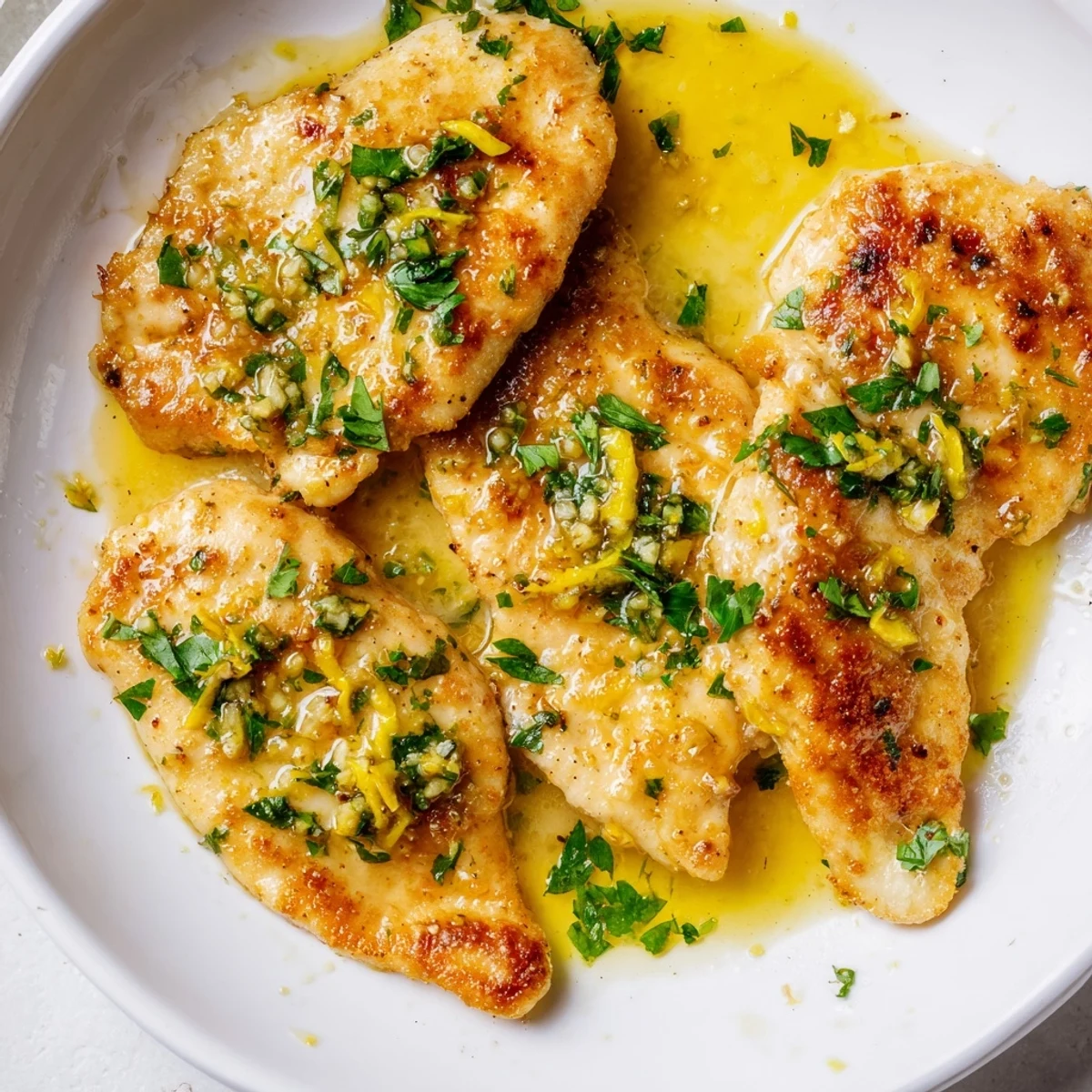
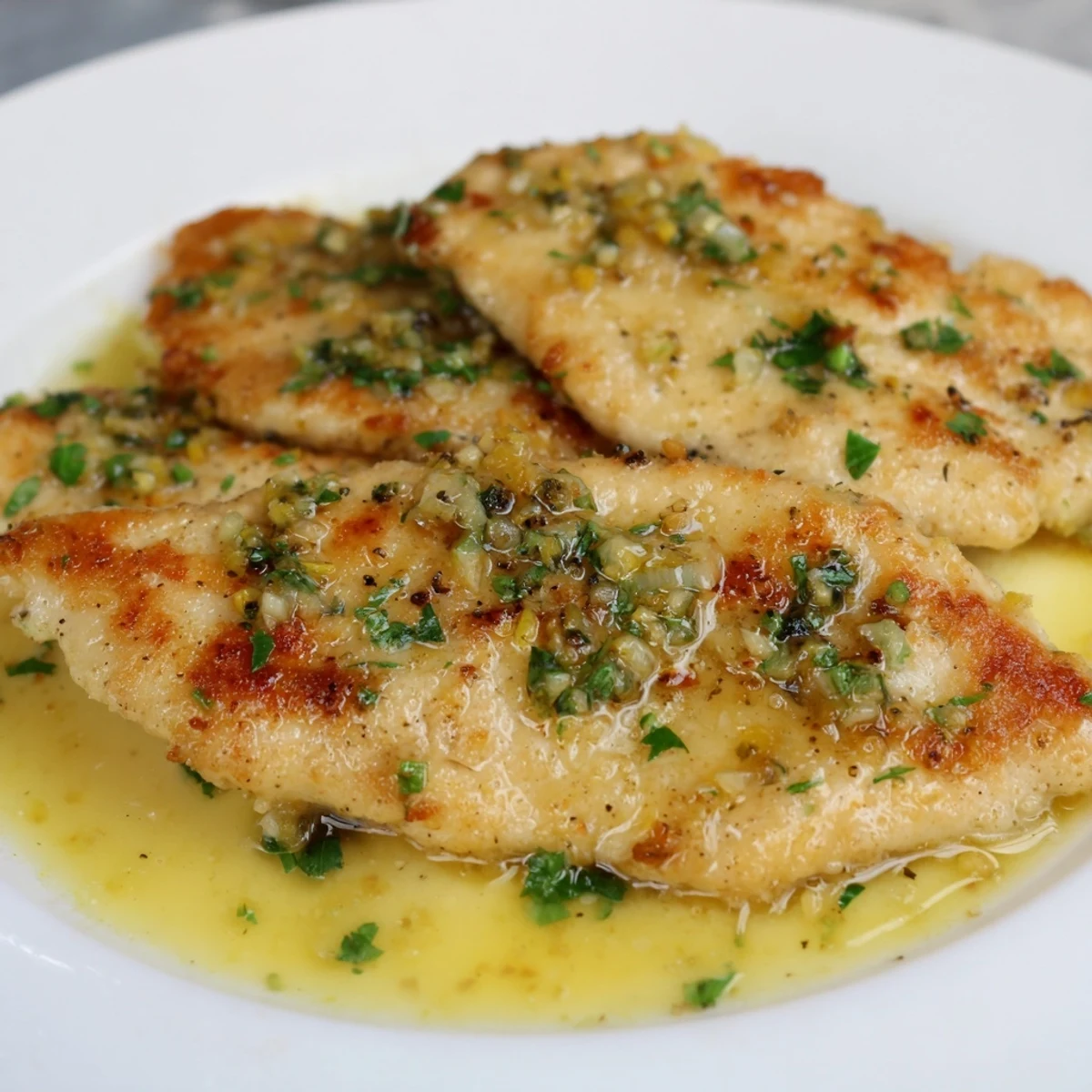
 Golden, pan-seared chicken breasts get coated in a vibrant sauce made from fresh lemon juice, zest, minced garlic, and rich butter. The whole dish comes together in just 35 minutes with minimal prep—season and dredge the chicken, sear until golden, then build the sauce right in the same skillet by deglazing with chicken broth and bright lemon. Serve it over rice or alongside roasted potatoes for a comforting weeknight dinner that feels special without the effort.
There was a Tuesday last March when the grocery store chicken section looked particularly bleak and I grabbed four breasts with zero plan. Came home, spotted a lemon on the counter and a half stick of butter softening by the stove, and just went for it. That impromptu pan sauce turned into something my roommate still asks for by name.
I made this for my parents on a visit home and my dad, who usually eats in near silence, actually pointed at his plate and said this is the chicken like he was bestowing a title. My mom later texted me for the recipe and I realized I had never written anything down.
Ingredients
- Boneless skinless chicken breasts: Thinner ones cook more evenly and give you that golden crust without drying out, so pound them slightly if they are uneven
- Salt and black pepper: Season generously on both sides because the flour coating will mute the salt a bit
- All purpose flour: Use gluten free blend if needed, it creates the same light crust that helps the sauce cling to every bite
- Olive oil: Combining it with butter raises the smoke point so you get a proper sear without burning the fat
- Unsalted butter: Keeping it unsalted lets you control the seasoning exactly instead of guessing how salty the sauce will become
- Garlic cloves: Fresh minced garlic is nonnegotiable here because jarred garlic turns bitter in a hot butter sauce
- Lemon zest and juice: The zest carries the essential oils and real flavor while the juice adds brightness and acid to cut through the butter
- Low sodium chicken broth: Regular broth can make the sauce overwhelmingly salty once it reduces
- Fresh parsley: Dried parsley tastes like green dust so just skip it entirely if you cannot find fresh
Instructions
- Season and coat the chicken:
- Pat the chicken dry with paper towels, season both sides with salt and pepper, then dredge each piece in flour and shake off the loose bits. You want a thin even dusting not a thick batter.
- Get that golden sear going:
- Heat olive oil and one tablespoon of butter in a large skillet over medium high until the foam subsides. Add the chicken and do not move it for five to six minutes per side until deeply golden and cooked through.
- Build the flavor base:
- Lower the heat to medium, add the remaining butter, and toss in the minced garlic. Let it sizzle for about one minute until your whole kitchen smells incredible but before it turns brown.
- Make the pan sauce:
- Pour in the lemon zest, lemon juice, and chicken broth, scraping up every browned bit from the bottom with a wooden spoon. Let it bubble and reduce for three to four minutes until it thickens slightly.
- Bring it all together:
- Return the chicken and any accumulated juices to the skillet, spoon the sauce over each piece, and let everything simmer together for two to three minutes.
- Finish and serve:
- Scatter fresh parsley over the top and serve right out of the pan with extra sauce ladled over each portion.
 Pin it
 My friend Rachel came over during a terrible week and I put this in front of her with some rice. She took one bite, put her fork down, and just said okay in a way that meant everything was going to be fine. Sometimes food is just the excuse to sit down together.
What to Serve It Alongside
Steamed green beans with a squeeze of lemon echo the brightness of the sauce without competing with it. Roasted potatoes get crispy edges that soak up the butter beautifully, and plain white rice might be the most underrated pairing here because it acts like a sponge for every drop of that pan sauce.
Swaps That Actually Work
Chicken thighs swap in seamlessly and stay juicier through the cooking process if you prefer darker meat. A splash of heavy cream stirred into the sauce right at the end turns it velvety and rich, which I discovered by accident when I grabbed the wrong carton from the fridge.
Getting Ahead of the Game
You can season and flour the chicken up to a few hours ahead and keep it on a plate in the fridge. The sauce itself comes together so fast that there is no real advantage to making it in advance, but having the chicken prepped makes the actual cooking feel effortless.
- Set out all your ingredients measured and ready before you turn on the stove
- Have your plate nearby for the cooked chicken so you do not lose heat fumbling around
- Squeeze the lemon juice right before you need it so the flavor stays sharp and bright
 Pin it
 Keep this one in your back pocket for the nights when you need something impressive without any real effort. It has never once let me down.
Recipe FAQs
- → Can I use chicken thighs instead of breasts?
-
Yes, boneless skinless chicken thighs work beautifully and yield a juicier result. Just adjust the cooking time slightly since thighs may need an extra minute or two per side.
- → How do I prevent the garlic from burning?
-
Lower the heat to medium before adding the garlic and stir constantly. It only needs about one minute to become fragrant—any longer and it can turn bitter.
- → Can I make this dairy-free?
-
Substitute the butter with a dairy-free alternative like olive oil or a plant-based butter. The flavor will shift slightly but the lemon and garlic will still shine through.
- → What sides pair well with this dish?
-
Steamed vegetables, roasted potatoes, or a simple bed of rice all work great. A crusty bread is also perfect for soaking up the extra sauce.
- → Can I make the sauce ahead of time?
-
The sauce is best made fresh in the skillet right after searing the chicken, since it relies on the browned bits for depth. You can prep the lemon juice, zest, and minced garlic in advance to speed things up.
- → What wine pairs with lemon garlic butter chicken?
-
A chilled Chardonnay or Sauvignon Blanc complements the bright citrus and buttery notes beautifully.