
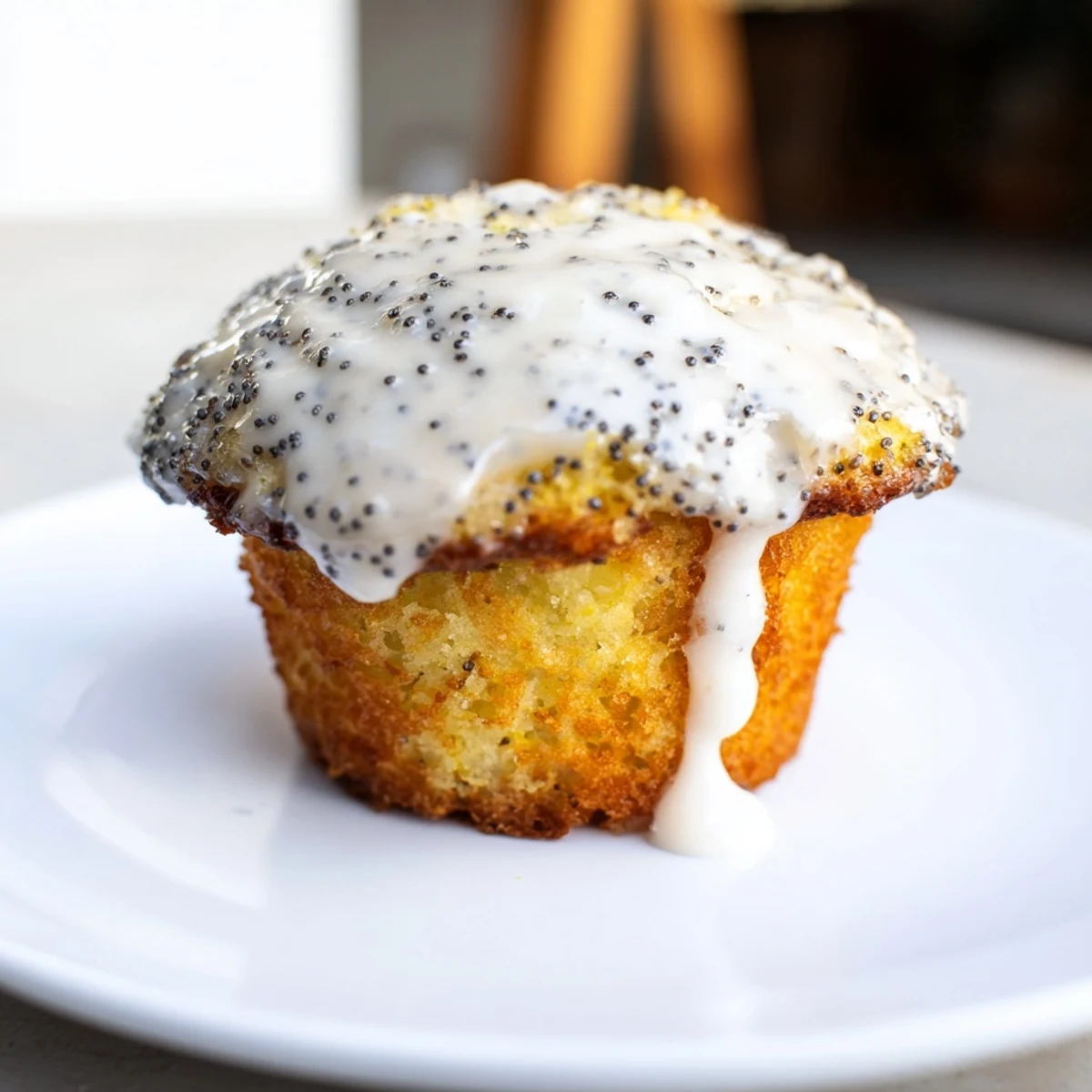
 Pin it
 These moist muffins highlight fresh lemon zest and juice combined with crunchy poppy seeds for a bright, balanced flavor. The tender crumb is enriched with Greek yogurt and melted butter, creating a soft, rich texture. Finished with a sweet, tangy lemon glaze, they offer a refreshing citrus burst. Baking requires only standard kitchen tools and takes about 20 minutes. Ideal for an easy breakfast or a light dessert option, they keep well and can be frozen if unglazed.
The first time I made lemon poppy seed muffins was on a grey Tuesday morning when my neighbor stopped by with a bag of Meyer lemons from her tree. I'd never worked with poppy seeds before, and honestly, I wasn't sure what they'd actually do to the texture. But something about the combination felt right, so I started mixing without a plan. When those muffins came out of the oven, the kitchen smelled like pure sunshine—bright, citrusy, almost impossible to ignore.
Years later, I made a double batch for a book club meeting on a whim. One of my friends took a bite and immediately asked for the recipe, which is when I realized these weren't just breakfast muffins—they were the kind of thing people actually want to make at home. She told me later she'd been bringing them to her kids' school bake sales ever since.
Ingredients
- All-purpose flour (2 cups): The foundation that needs to stay light—this is why we don't overmix later.
- Poppy seeds (1 tbsp): They add texture and visual interest, but more importantly, they deliver a subtle nuttiness that makes people wonder what the secret ingredient is.
- Baking powder and baking soda (1 1/2 tsp and 1/2 tsp): Together they create the lift that makes these muffins tender rather than tough.
- Salt (1/4 tsp): A tiny amount that somehow makes the lemon flavor pop even more.
- Granulated sugar (2/3 cup): Mixed directly with the lemon zest—this step is worth not skipping because it releases oils that regular sugar can't capture.
- Lemon zest (from 2 lemons): Fresh is non-negotiable here; the dried version tastes stale by comparison.
- Room temperature eggs (2 large): Cold eggs won't incorporate smoothly, and you'll end up with a denser crumb.
- Greek yogurt (1 cup): Tangier than sour cream and adds a subtle richness that keeps muffins tender the next day.
- Melted and cooled butter (1/2 cup): Melting it first means it distributes evenly through the batter; cooling it prevents the eggs from scrambling.
- Fresh lemon juice (1/4 cup plus 2–3 tbsp for glaze): Freshly squeezed matters because bottled juice tastes slightly bitter and chemical by comparison.
- Vanilla extract (1 tsp): A small amount that rounds out the lemon without making itself known.
- Powdered sugar for glaze (1 cup): Sifting removes lumps that would create an uneven drizzle.
Instructions
- Heat your oven and prep your pan:
- Set the oven to 375°F and line your muffin tin with paper liners or a light grease—this matters because you want them to release cleanly without sticking. A cold pan is your friend here.
- Build the dry mixture:
- Whisk flour, poppy seeds, baking powder, baking soda, and salt in one large bowl until they're evenly distributed. You're essentially creating a safety net that will keep your muffins from spreading too much or sinking in the middle.
- Awaken the lemon zest:
- This is the move that changes everything—rub the lemon zest directly into the sugar using your fingers, working it for a solid minute. You'll smell the oils release immediately, and that's exactly what you want. After that, whisk in eggs, yogurt, melted butter, lemon juice, and vanilla until the mixture is completely smooth.
- Combine wet and dry gently:
- Pour the wet ingredients into the dry ingredients and use a rubber spatula to fold them together. This is where patience matters—stop as soon as you see no white flour streaks. Overmixing develops gluten, which turns muffins tough and dense.
- Fill and bake:
- Divide the batter evenly among your prepared muffin cups, filling each about three-quarters full. Bake for 18–20 minutes until a toothpick inserted in the center comes out clean or with just a few moist crumbs clinging to it.
- Cool properly:
- Let the muffins sit in the pan for 5 minutes—this lets them set slightly—then transfer them to a wire rack to cool completely. Cooling them in the pan longer makes them sweat and get soggy.
- Make and apply the glaze:
- Whisk powdered sugar with 2–3 tbsp of fresh lemon juice until you reach a consistency that's pourable but not thin. Drizzle it over cooled muffins and let it set for at least 10 minutes before serving.
 Pin it
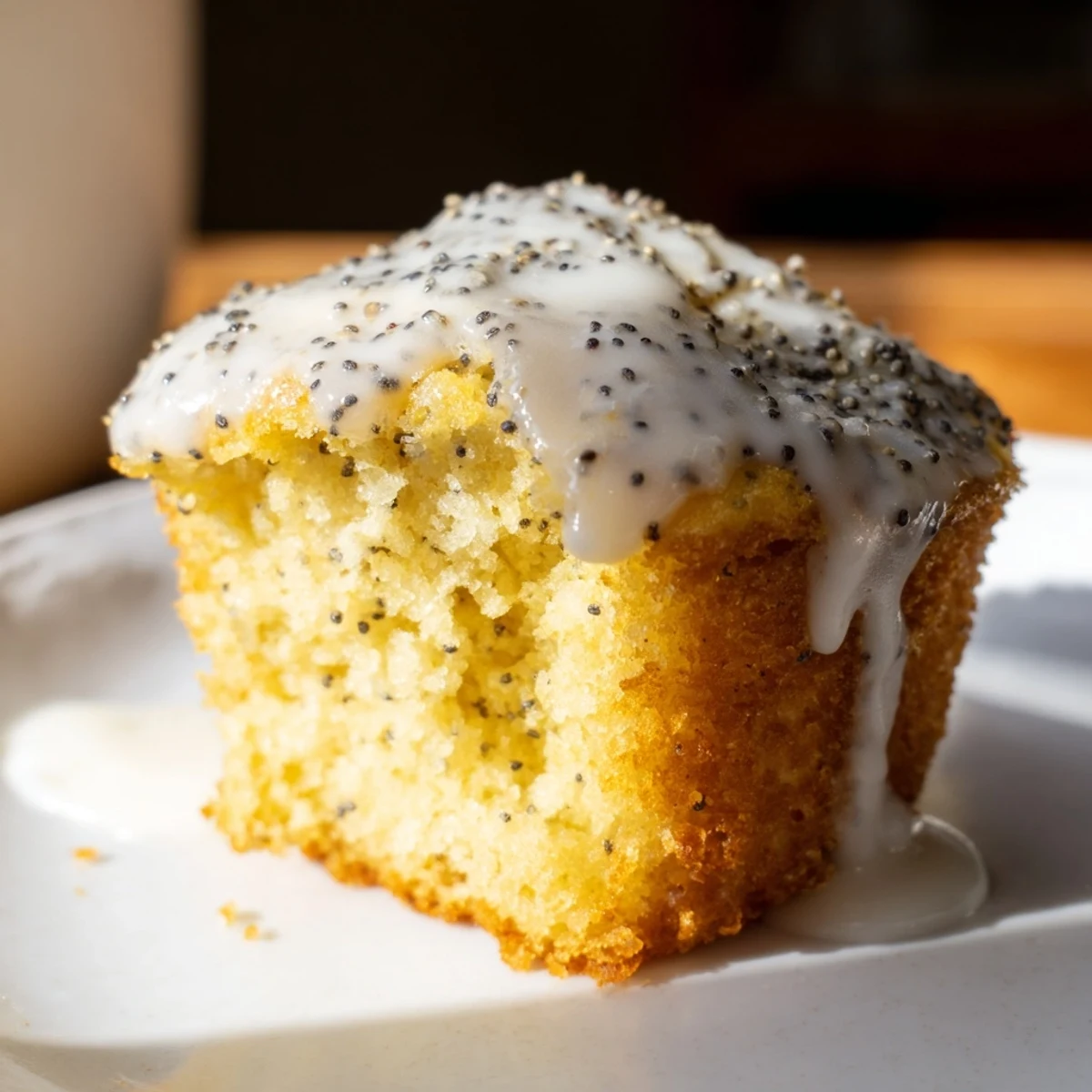
 I remember standing in my kitchen on a Sunday morning, eating one of these muffins still slightly warm, the glaze still wet, and realizing that sometimes the simplest combinations are the ones that stick with you. My daughter asked for one, then another, and by the time I turned around, half of them were gone.
The Lemon Factor
Lemon is a flavor that sounds bright and straightforward until you actually work with it in baking. When you use zest, juice, and nothing else, you're tasting the fruit in its purest form—no added lemon extract needed unless you want something more intense. I learned this by accident when I added extract once and the muffins tasted almost artificial, sharp in a way that overwhelmed everything else. Now I stick with fresh lemon and trust that it's enough.
Why Greek Yogurt Changes Everything
Most muffin recipes use oil or butter to keep things moist, but Greek yogurt adds tang and structure at the same time. It's thicker than regular yogurt, which means it doesn't throw off your liquid ratios, and it adds a subtle sourness that makes the lemon pop even more. The first time I made these with sour cream instead, they were good, but something was missing—that slight tartness that makes you want another bite.
Storing and Freezing
These muffins stay fresh at room temperature in an airtight container for about two days, though honestly, they never last that long in my house. The real magic happens when you freeze them unglazed—they'll keep for up to two months, and you can thaw them when you want a fresh muffin with zero effort. I learned to freeze them without the glaze because the glaze gets grainy if it's been frozen and thawed, but an unglazed muffin thaws to nearly fresh quality, and you can always add glaze after.
- Wrap unglazed muffins individually in plastic wrap before freezing to prevent freezer burn.
- Thaw at room temperature for about 30 minutes, or warm gently in a 300°F oven for 5 minutes if you want them hot.
- Add the glaze after thawing for the best texture and flavor.
 Pin it
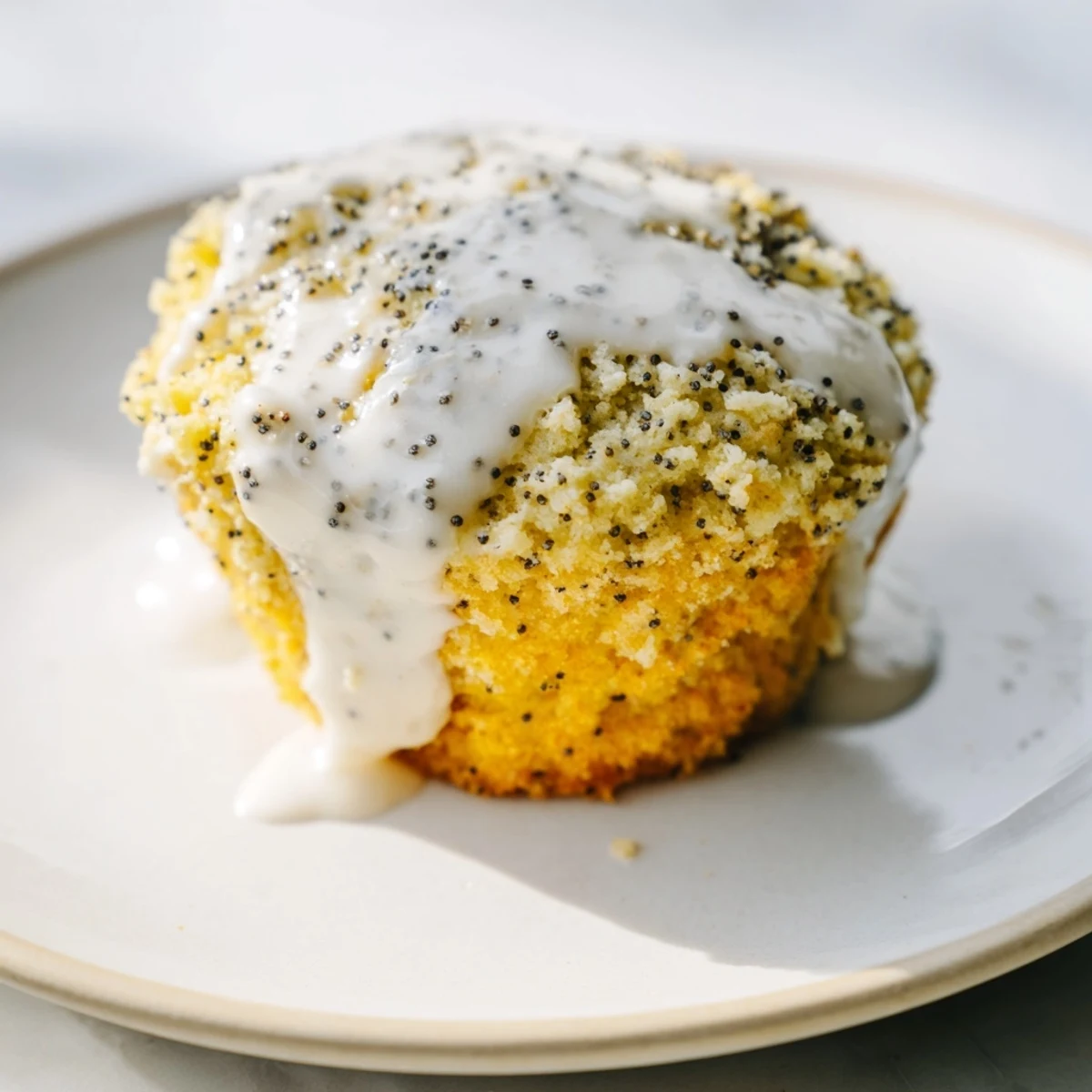
 These muffins are the kind of recipe that belongs in your regular rotation, not the one you make once a year for a special occasion. They're simple enough to throw together on a weeknight but special enough to feel like you've actually done something with your morning.
Recipe FAQs
- → How do poppy seeds affect the texture?
-
Poppy seeds add a subtle crunch and a nutty flavor that contrasts nicely with the soft muffin crumb.
- → Can Greek yogurt be substituted?
-
Yes, sour cream can be used instead for a similarly moist and tender texture.
- → How to ensure the glaze sets properly?
-
Allow the glaze to dry at room temperature on cooled muffins for at least 15 minutes to achieve a firm finish.
- → What is the best way to fold the batter?
-
Gently fold wet and dry ingredients just until combined to keep the muffins light and tender without overmixing.
- → How to store these muffins?
-
Store at room temperature in an airtight container up to 2 days or freeze unglazed muffins for up to 2 months.