
 Pin it
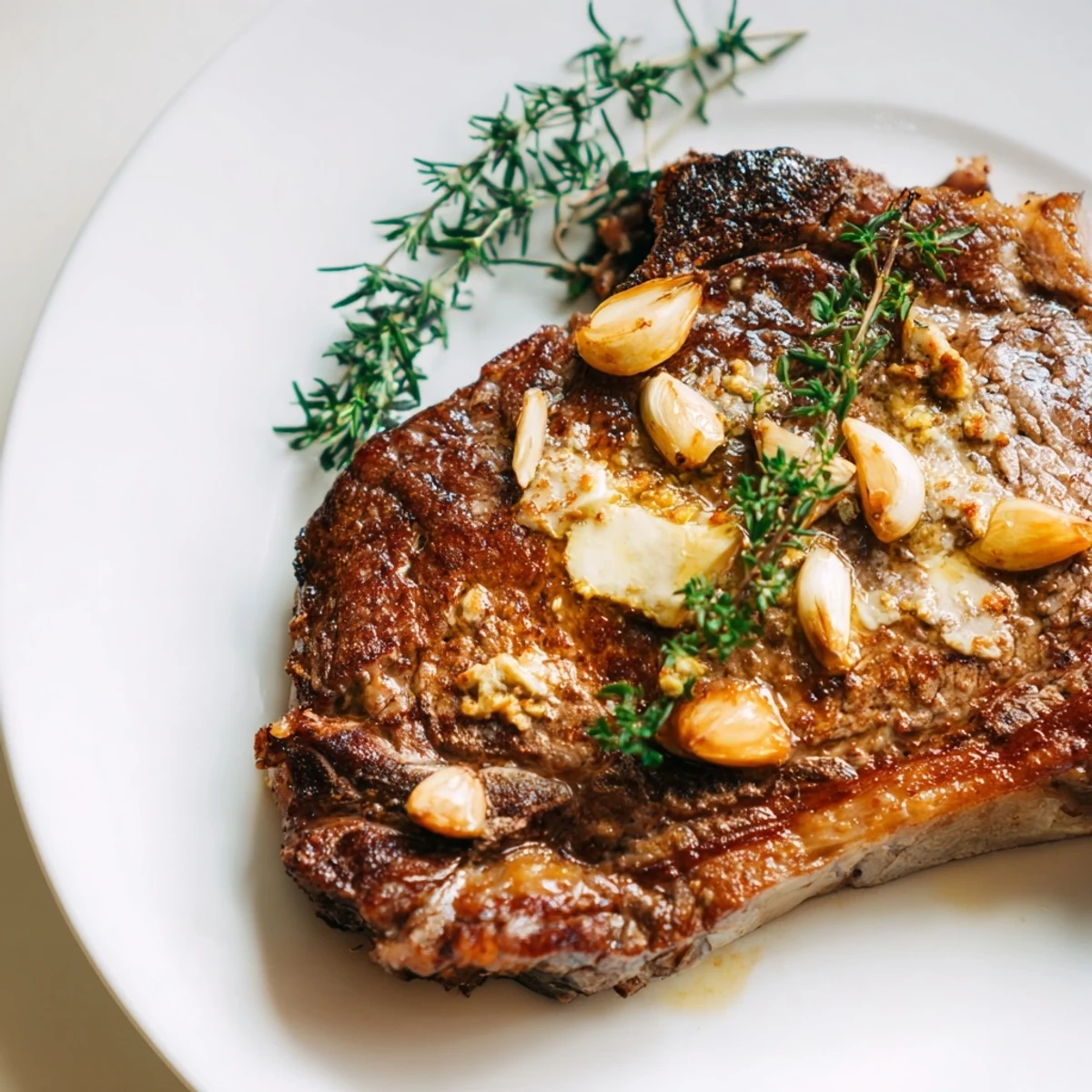
 Master the art of cooking ribeye steaks at home with this simple yet impressive technique. The process involves bringing your meat to room temperature, seasoning generously, then searing in a hot cast-iron skillet to create that coveted golden crust. Finishing with aromatic butter, garlic, and fresh herbs infuses incredible flavor while basting ensures even cooking and moisture retention.
The key steps include proper temperature management, patience during the initial sear, and the crucial resting period that locks in juices. You'll achieve that steakhouse-quality crust and tender, juicy interior that makes ribeye so beloved.
My dad taught me the art of the steak sear during one summer when I was home from college, standing over his cast iron skillet like it was sacred territory. He swore that sound of meat hitting hot iron was the sound of a good life. Now every time I make ribeyes, I think about how something so simple can feel so extraordinary when done right.
Last Valentine's Day, I made these for my husband and completely forgot the butter step. It was still delicious, but the next week I made them again the right way and he looked at me like Id discovered fire. Sometimes those small finishing touches are what turn dinner into a memory.
Ingredients
- Ribeye steaks: The generous marbling melts during cooking, creating that signature ribeye flavor and natural juiciness
- Kosher salt: Coarse salt adheres better to the meat surface for even seasoning
- High heat oil: Canola or grapeseed can handle the intense temperature needed for proper searing
- Unsalted butter: Use cold butter to control the basting and prevent burning
- Fresh herbs: The woody herbs release their oils into the butter, infusing every bite
Instructions
- Prepare the meat:
- Take the steaks out of the fridge thirty minutes ahead of time and pat them completely dry with paper towels. This step is crucial for getting that caramelized crust we all want.
- Season generously:
- Sprinkle salt and pepper on both sides, pressing the seasoning into the meat so it sticks during searing.
- Get the pan ripping hot:
- Heat your cast iron skillet over high heat until you can feel the heat radiating upward, then add the oil and swirl it around.
- Sear undisturbed:
- Lay the steaks in the hot pan and let them develop a dark golden crust without touching them for two to three minutes.
- Flip and baste:
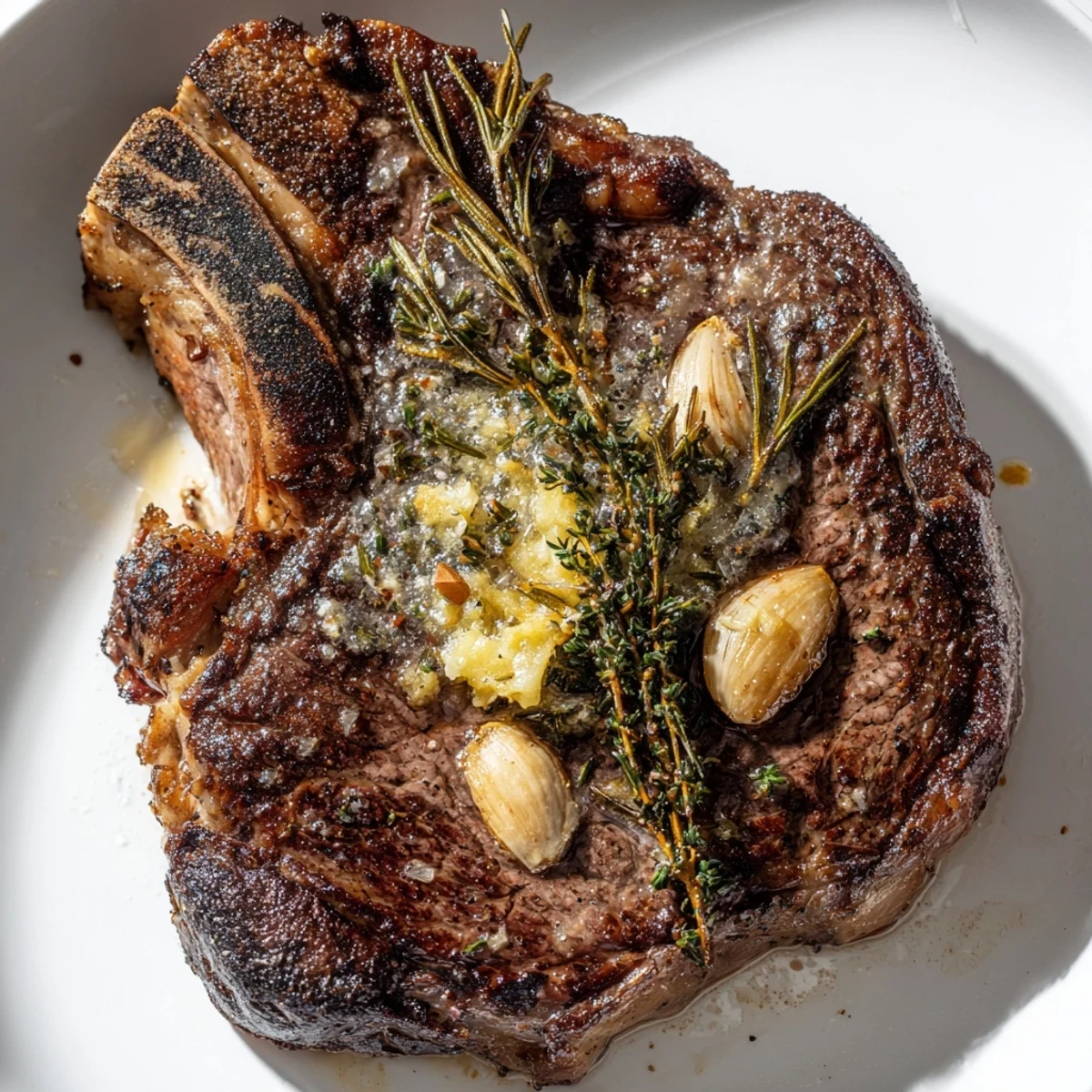
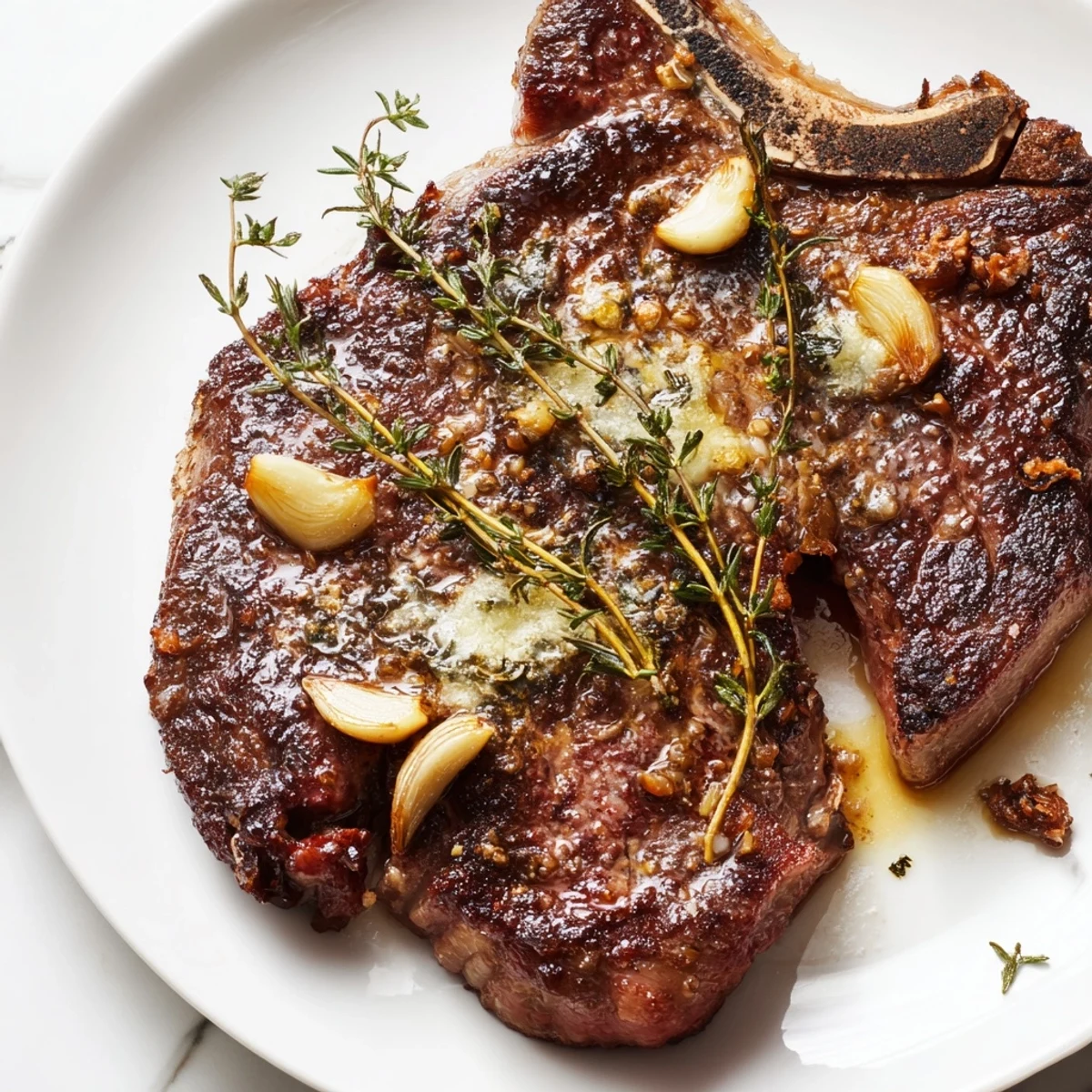
- Turn the steaks over, add butter, garlic, and herbs, then tilt the pan and spoon the melting butter over the meat continuously.
- Rest before serving:
- Move the steaks to a board and let them rest for five minutes so the juices redistribute throughout the meat.
 Pin it
 There was this dinner party where I served these ribeyes, and my friend who claimed she only liked well done steak actually asked for seconds on the medium rare. That is when I knew the technique had clicked. Good food has a way of changing minds.
Temperature Guide
I used to cut into my steaks to check doneness until I learned that all those delicious juices were escaping onto the cutting board. Now I keep an instant read thermometer handy and pull the meat at exactly the right moment. The steak continues cooking while it rests, so I always remove it five degrees below my target temperature.
Pan Choice Matters
Cast iron really does make a difference here because it holds heat so consistently and gets that incredible crust. If you do not have one, a heavy stainless steel pan will work too. Just avoid nonstick since you need the pan extremely hot to get proper searing.
Serving Suggestions
Sometimes I keep it simple with just roasted potatoes and a green salad, but other nights I go all out with garlic mashed potatoes and sautéed asparagus. The key is having something to soak up all that flavored butter.
- A bold red wine like cabernet pairs beautifully with the rich beef
- Try compound butters with blue cheese or horseradish for extra flair
- Leftover steak makes incredible sandwiches the next day
 Pin it
 Great steak nights are usually the ones that end with everyone leaning back in their chairs, completely satisfied.
Recipe FAQs
- → How long should I let the steak rest before cooking?
-
Remove your steaks from the refrigerator 30 minutes before cooking. This allows the meat to come to room temperature, ensuring even cooking throughout rather than a cold center and overdone exterior.
- → What's the best way to check doneness?
-
Use a meat thermometer for accuracy: 125°F for rare, 135°F for medium-rare, and 145°F for medium. Insert into the thickest part without touching bone. Remember that the temperature rises slightly during resting.
- → Can I use a different type of pan?
-
While cast-iron is ideal for heat retention and creating the perfect crust, you can use a heavy-bottomed stainless steel skillet. Avoid non-stick pans as they cannot withstand the high heat needed for proper searing.
- → Why do I need to baste the steak?
-
Basting with butter, garlic, and herbs serves two purposes: it infuses rich flavor throughout the meat, and the hot butter helps cook the top while creating an incredibly aromatic, flavorful crust. The constant spooning of fat ensures even browning.
- → What should I serve with ribeye steak?
-
Classic pairings include roasted potatoes, garlic mashed potatoes, or a simple arugula salad with vinaigrette. Sautéed mushrooms, creamed spinach, or grilled asparagus also complement the rich, beefy flavor beautifully.
- → How do I get the best crust on my steak?
-
Pat the meat thoroughly dry before seasoning, use high-smoke-point oil, and ensure your pan is screaming hot before adding the steak. Don't move it during the initial sear—let it develop that deep golden crust undisturbed for 2-3 minutes per side.