
 Pin it
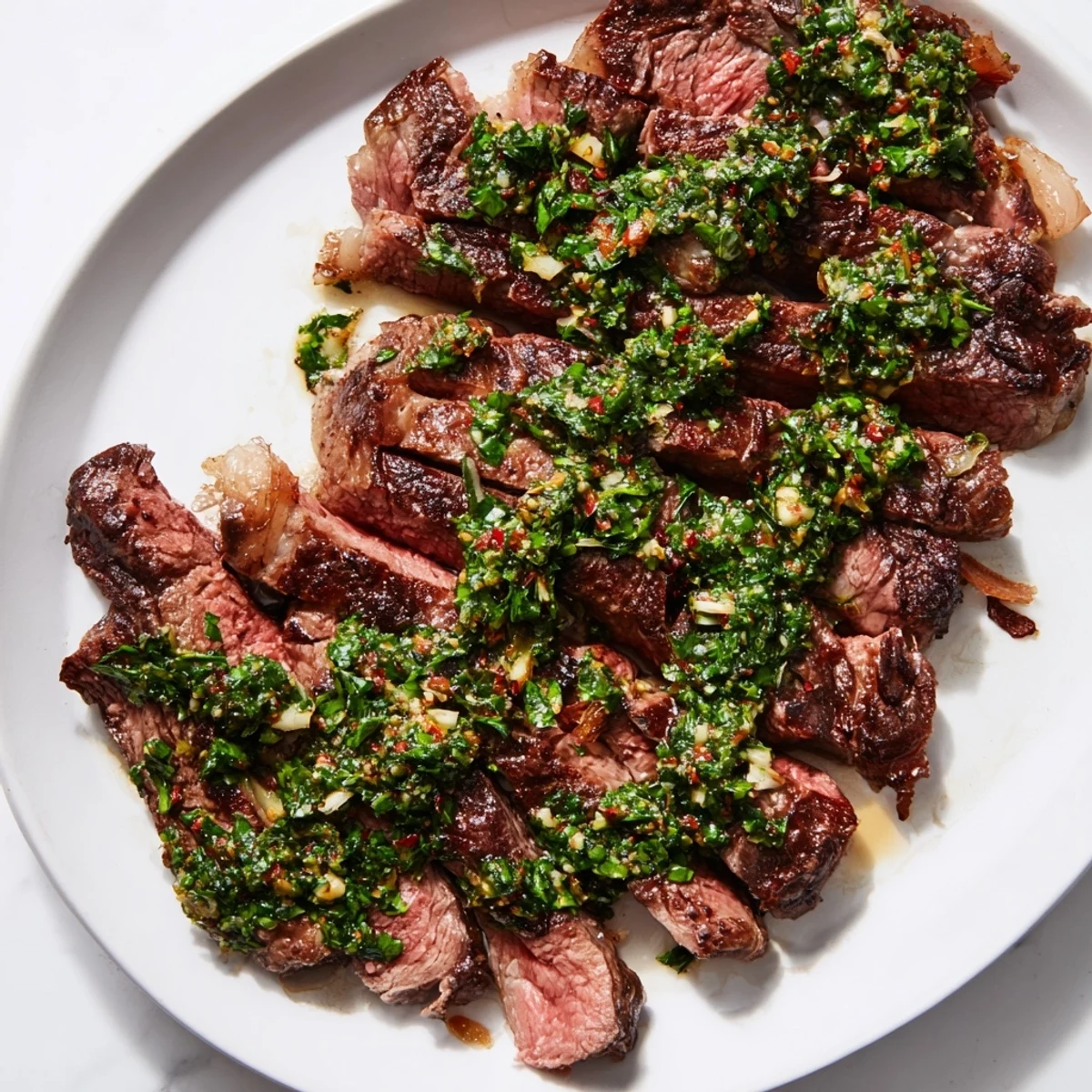
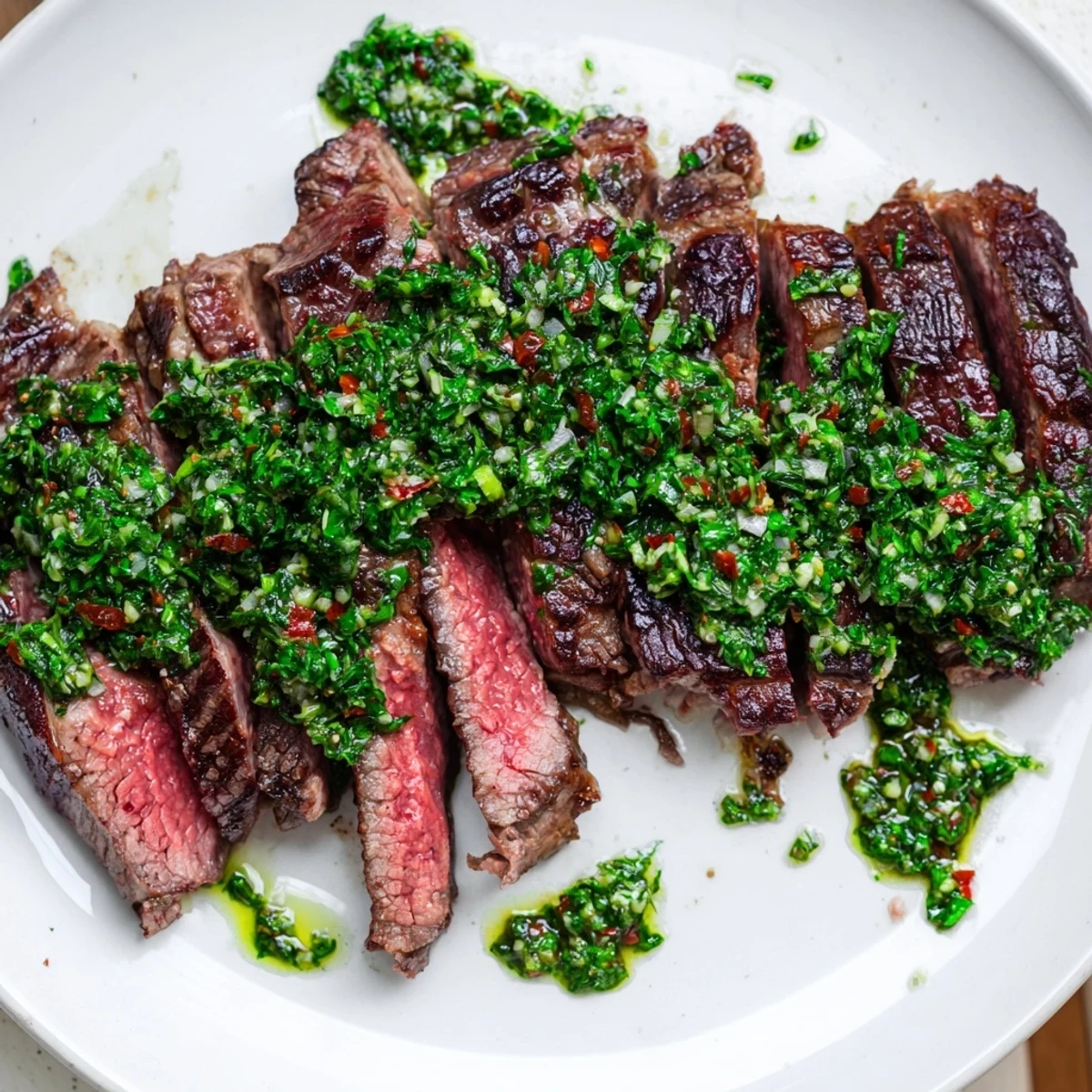
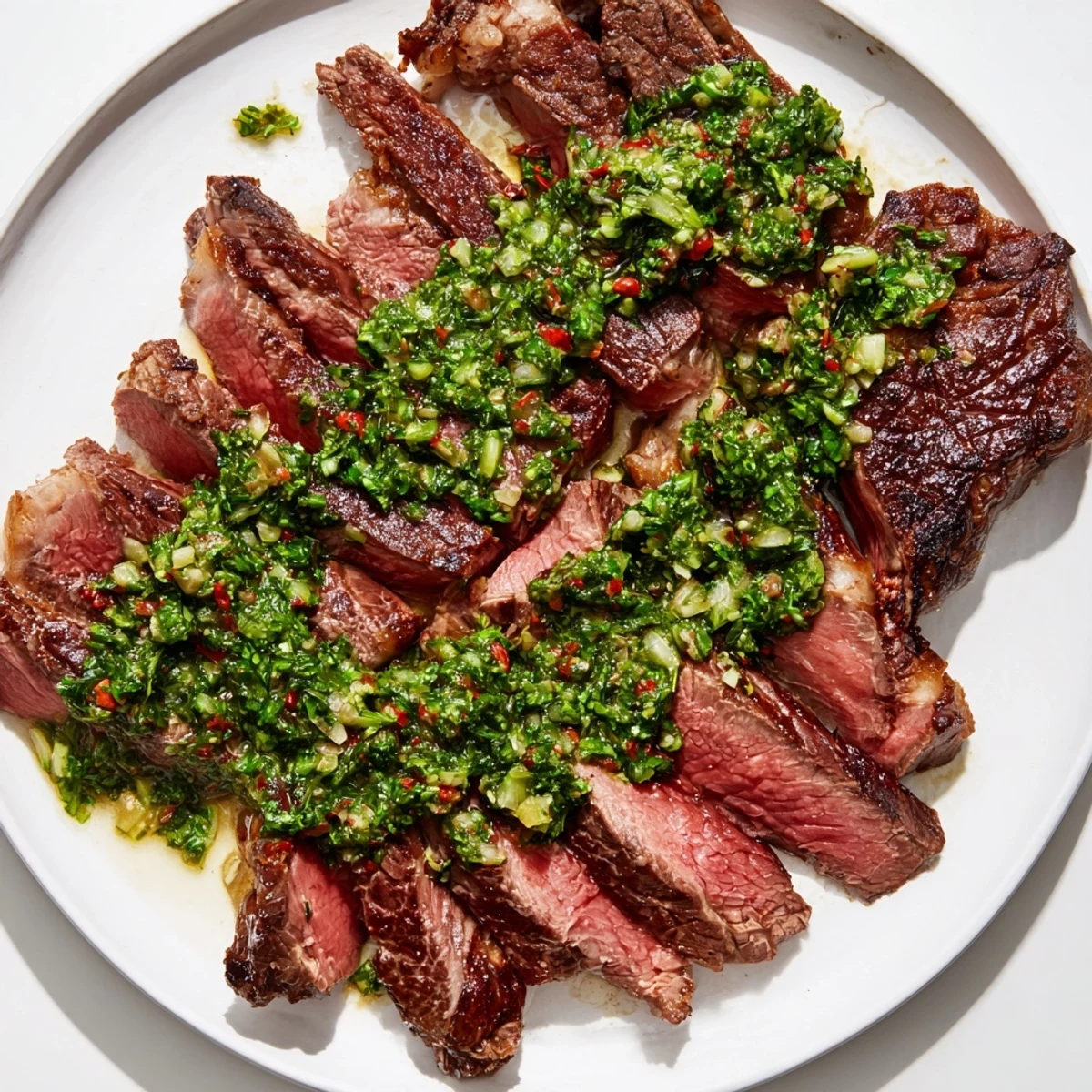
 This dish features tender ribeye or strip steaks pan seared to a perfect medium-rare, accompanied by a zesty chimichurri sauce made from fresh parsley, oregano, garlic, and a touch of red pepper flakes. The chimichurri adds a bright, herbaceous balance to the rich, juicy steak. Simple seasoning with olive oil, salt, and pepper highlights the meat's natural flavors while the resting period ensures maximum juiciness. Ideal for a quick, flavorful main course with Argentine inspiration.
My college roommate used to call this our date night dinner whenever we wanted to impress someone but had zero budget for actual restaurants. The first time I made chimichurri, I accidentally used dried cilantro instead of fresh parsley and couldnt understand why it tasted like grass. Now I keep a little herb garden on my windowsill just for this recipe.
Last summer my dad visited and watched me sear steaks with this method. He stood in the doorway with arms crossed, completely skeptical about the high heat approach. After one bite he asked for the recipe, which is basically his highest form of culinary praise.
Ingredients
- 2 boneless ribeye steaks: The marbling in ribeye creates incredible flavor and keeps the meat juicy during high heat searing
- 1 tablespoon olive oil: Use this sparingly just to coat the pan since too much oil lowers the temperature and prevents proper crust formation
- 1 teaspoon kosher salt: The coarse crystals stick better to the meat and create that perfect salty crust
- ½ teaspoon black pepper: Freshly ground makes a huge difference here since pepper loses its punch quickly once pre-ground
- ½ cup fresh parsley: Flat leaf has a cleaner, less bitter taste than curly parsley and is absolutely essential for authentic chimichurri
- 2 tablespoons fresh oregano: This gives the sauce its distinctive Argentine flavor, though dried works in a pinch
- 3 garlic cloves: Minced finely so it distributes evenly without any overwhelming raw garlic bites
- ½ teaspoon red pepper flakes: Adjust this based on your heat preference since some people prefer just a gentle warmth
- ¼ cup red wine vinegar: The acid cuts through the rich steak and brightens the whole dish
- ½ cup extra-virgin olive oil: This emulsifies the sauce and carries all those herb flavors
Instructions
- Prepare the meat:
- Take the steaks out of the fridge twenty minutes before cooking and pat them completely dry with paper towels. This simple step is what actually helps you get that gorgeous crust instead of steaming the meat.
- Season generously:
- Press the salt and pepper into both sides of the steaks so it really adheres. Do not be shy here since most of it will stay in the pan not on the meat.
- Get the pan screaming hot:
- Heat the olive oil in a cast iron skillet over high heat until you see just the faintest wisp of smoke. This takes about three minutes and is absolutely crucial for that restaurant quality sear.
- Sear to perfection:
- Lay the steaks in the hot pan and do not touch them for three to four minutes. Use tongs to sear the edges for thirty seconds each then flip and repeat for the other side.
- Let it rest:
- Transfer the steaks to a plate and tent them loosely with foil for five full minutes. This patience step lets the juices redistribute so you do not end up with a dry gray center.
- Make the magic sauce:
- While the meat rests whisk together the parsley, oregano, garlic, red pepper flakes, vinegar, olive oil, salt and pepper. The sauce should be vibrant and slightly chunky not smooth.
- Finish with style:
- Slice the steak against the grain and spoon that chimichurri generously over the top. Serve immediately while the steak is still warm and the sauce is at its most fragrant.
 Pin it
 This recipe officially became part of my regular rotation after I served it at a small dinner party and my friend actually licked her plate. She said she never understood what people meant by bright herb flavors until that night.
Choosing the Right Cut
I have tried this with sirloin and flank steak when budget was tight but honestly nothing beats a good ribeye. The extra fat renders down and keeps everything incredibly moist while still getting that perfect crust. If you do use a leaner cut just watch it more carefully since it will overcook faster.
Pan Selection Matters
A cast iron skillet really does make a difference here because it holds heat so evenly and gets hotter than other pans. I have made this in stainless steel in a pinch but had to work harder to maintain that screaming high temperature throughout the searing process. The heavy weight also helps the steak make better contact with the cooking surface.
Making Chimichurri Your Own
After making this dozens of times I have started playing with the herb ratios. Sometimes I add a little fresh cilantro for brightness or bump up the red pepper flakes when I want more kick. The classic version is perfect as written but do not be afraid to adjust to your taste.
- Try adding a squeeze of fresh lemon juice along with the vinegar for extra brightness
- Make a double batch and use the extra on roasted vegetables or eggs the next day
- If the sauce tastes too sharp at first let it sit for ten minutes before adjusting
 Pin it
 There is something deeply satisfying about a perfectly seared steak especially when you have made the sauce yourself. Hope this becomes one of those recipes you make without even thinking about it.
Recipe FAQs
- → What cut of steak works best for pan searing?
-
Boneless ribeye or strip steaks about 1 inch thick are ideal for even cooking and developing a flavorful crust.
- → How do you achieve a perfect sear on the steak?
-
Heat a heavy skillet until just smoking, use olive oil, and sear steaks for 3-4 minutes per side, plus edges, without moving them.
- → Can chimichurri be prepared in advance?
-
Yes, chimichurri sauce can be mixed a few hours ahead to allow flavors to meld, enhancing its vibrant taste.
- → What is the purpose of resting the steak after cooking?
-
Resting for 5 minutes helps redistribute juices, making the steak more tender and flavorful when sliced.
- → Are there good alternatives for ribeye or strip steak?
-
Sirloin or flank steak can be used as substitutes, though cooking times may vary slightly.