
 Pin it
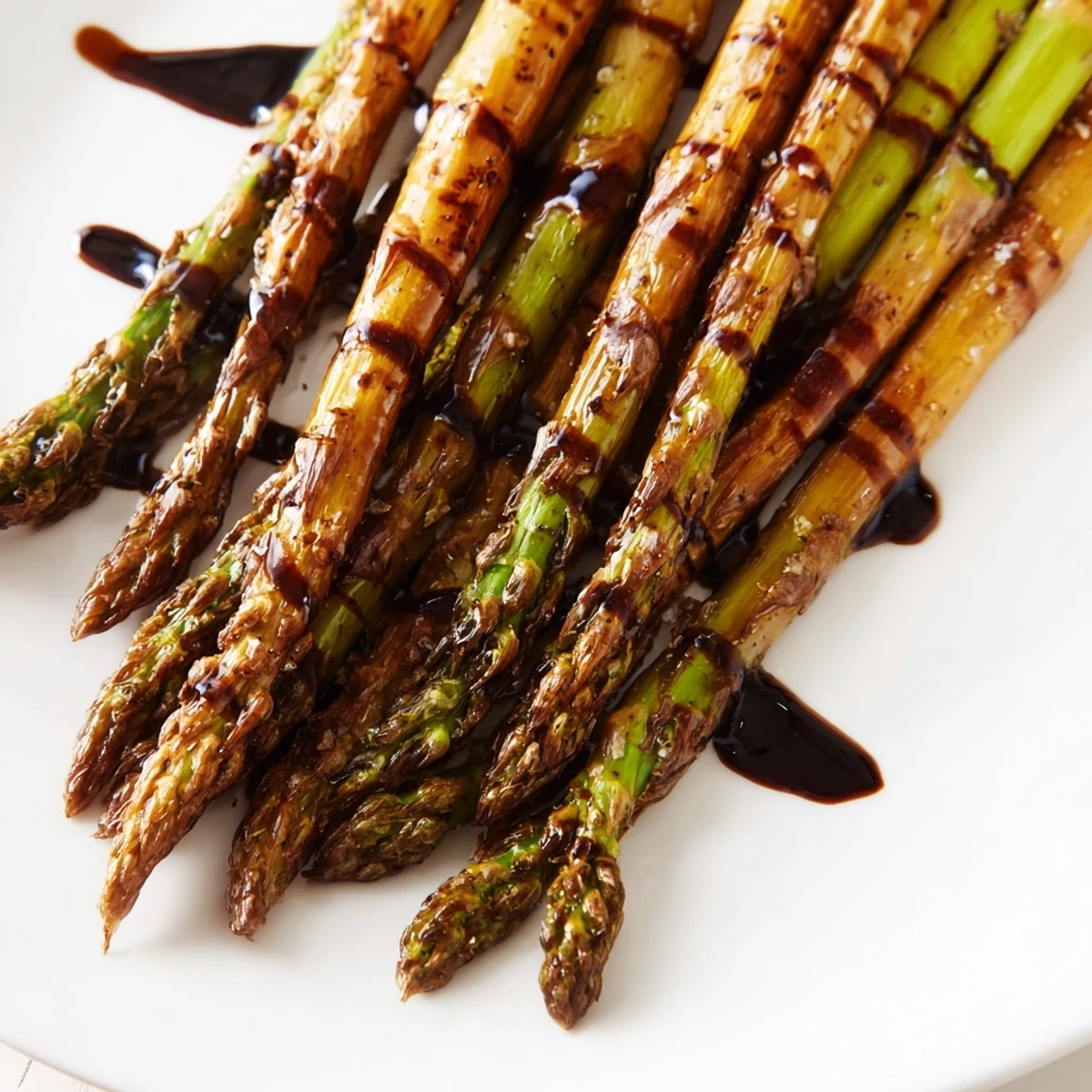
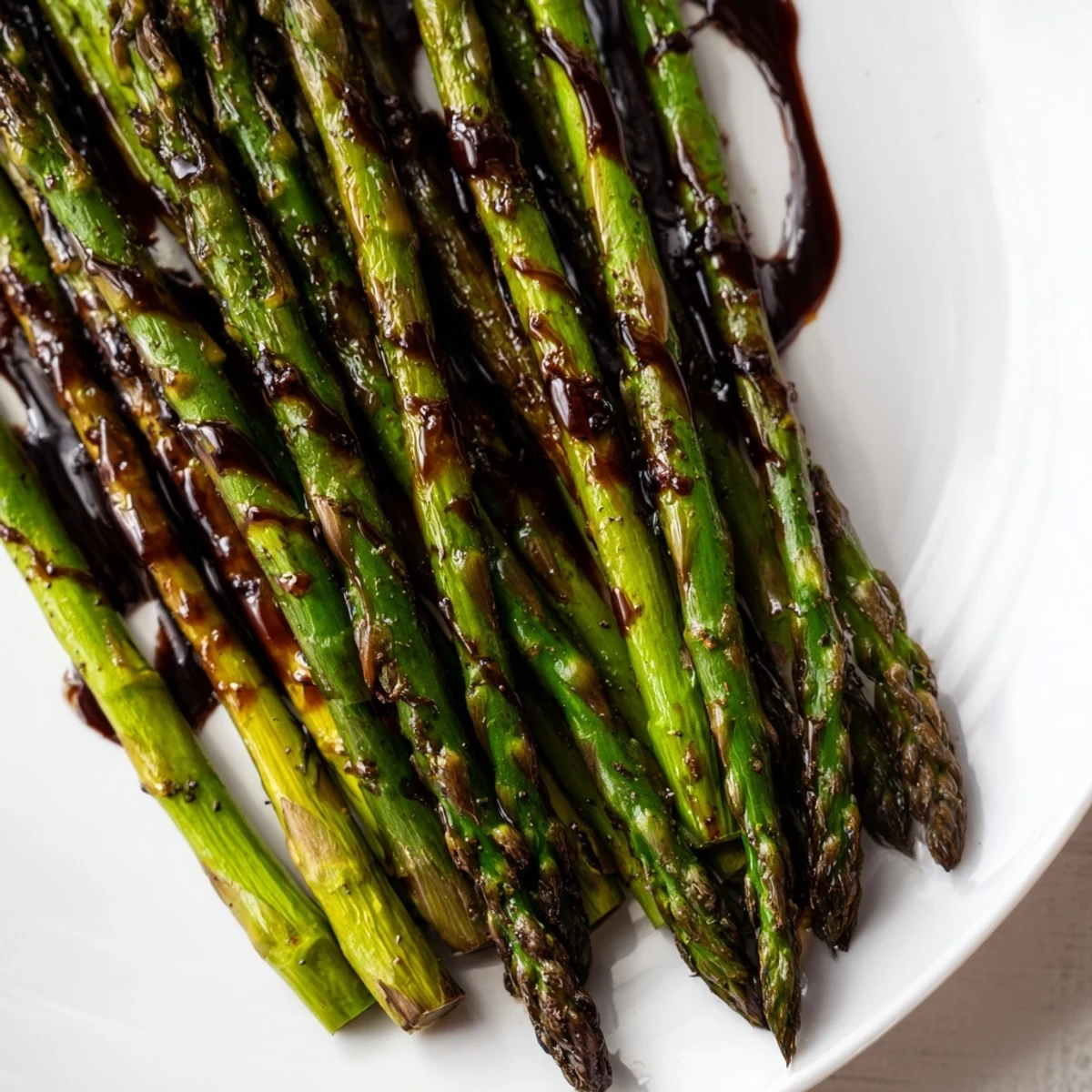
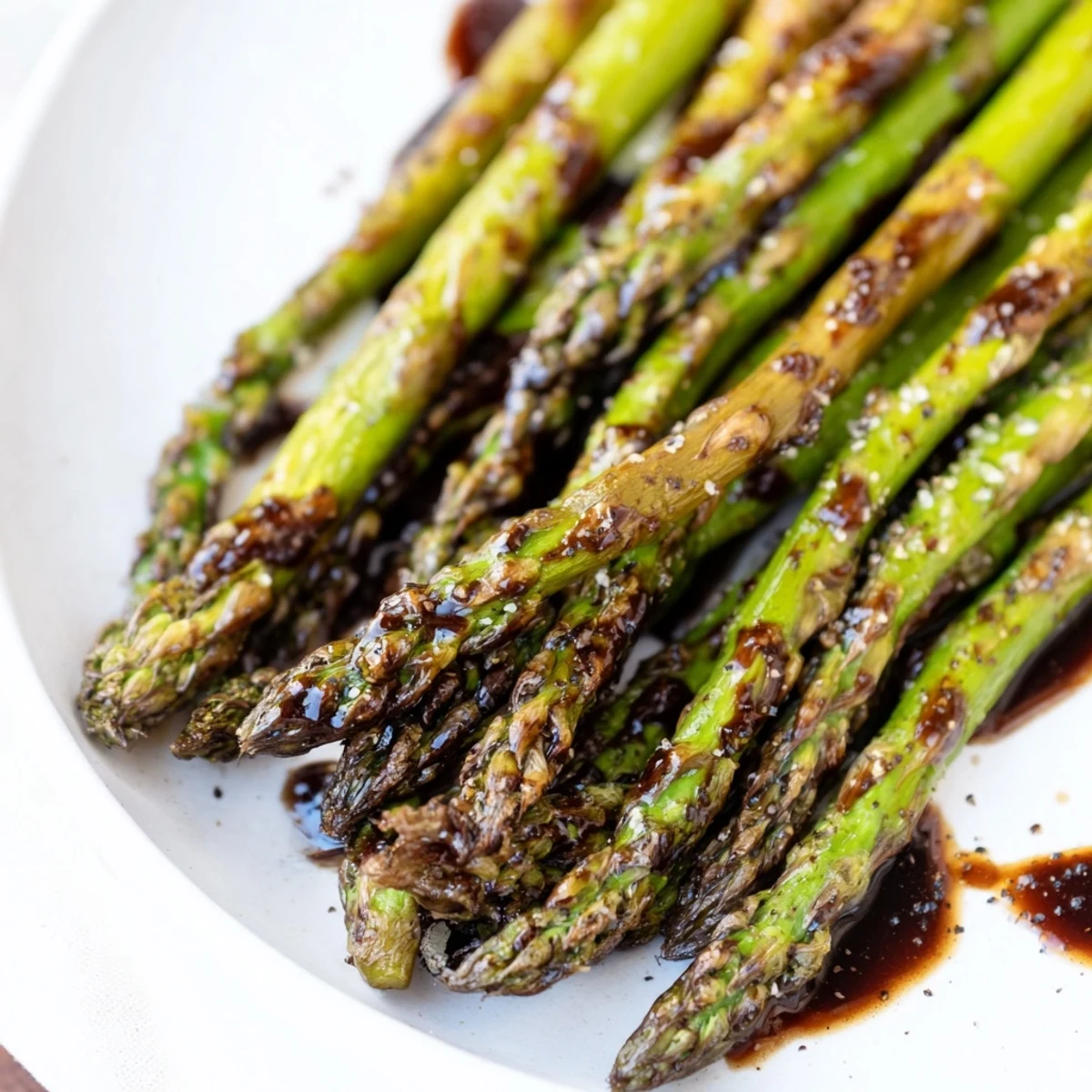
 This dish features fresh asparagus spears gently coated with olive oil, salt, and pepper, then roasted until tender and caramelized. A rich, sweet balsamic glaze is simmered down to a syrupy finish and poured over the asparagus, adding vibrant flavor and depth. It's a simple, elegant option that pairs beautifully with a variety of main courses. Adding pine nuts or red pepper flakes offers extra texture and a subtle kick.
The smell of balsamic vinegar hitting a hot pan still yanks me back to a cramped rental kitchen where I burned my first batch into tar. I had wandered away to answer a phone call, lured by the false confidence of low heat, and returned to something that looked like molasses but tasted like regret. That afternoon taught me that reduction demands attention, not fear, just a willingness to stand nearby and watch.
I made this for my sister the week she moved into her first apartment, hauling my own baking sheet because hers was still in a cardboard box somewhere. We ate standing at her counter, surrounded by half-unpacked dishes, and she kept dipping her fingers into the glaze before it even reached the vegetables. Some recipes become traditions not because they are difficult, but because they were present at moments that mattered.
Ingredients
- Fresh asparagus: Look for firm spears with tight tips that squeak slightly when rubbed together; the thick ones roast better than the pencil-thin kind that dry out.
- Olive oil: A decent everyday oil works fine here since the balsamic dominates, but avoid anything so peppery it fights the sweetness.
- Kosher salt and black pepper: The larger crystals of kosher salt cling better to the waxy surface of asparagus than fine table salt ever will.
- Balsamic vinegar: Use the standard grocery store variety, not the expensive aged stuff you would drizzle raw; the heat destroys nuance anyway.
- Maple syrup or honey: Maple brings a darker, more complex sweetness that complements the char of roasted vegetables; honey is brighter and more floral.
Instructions
- Heat the oven and prepare your pan:
- Crank your oven to 425°F and line a baking sheet with parchment paper. The paper catches the sticky glaze drips that would otherwise carbonize onto your pan forever.
- Prep the asparagus:
- Hold each spear at both ends and bend until it snaps naturally; the woody base separates cleanly from the tender top. Toss the spears on your prepared sheet.
- Season and coat:
- Drizzle olive oil over the spears, then scatter salt and pepper across them. Use your hands to tumble everything together until each spear wears a thin, even sheen.
- Roast until tender:
- Bake for 12 to 15 minutes, shaking the pan once halfway through. You want some charred spots and a slight droop when lifted.
- Start the glaze:
- While the asparagus roasts, pour balsamic vinegar and maple syrup into a small saucepan. The mixture will look impossibly thin and you will doubt it will ever thicken.
- Reduce with patience:
- Bring to a boil over medium heat, then drop to a simmer. Stir occasionally and watch the bubbles change from frantic to lazy as the liquid reduces by half.
- Glaze and serve:
- Transfer the hot asparagus to a platter and drizzle the thickened glaze in thin ribbons across the top. Serve immediately while the contrast between hot vegetable and syrupy coating is still sharp.
 Pin it
 My neighbor once texted me a photo of this dish at 10 PM with the caption made it for myself because tuesday deserved something. That is the highest compliment a recipe can receive.
Making It Your Own
Toast a handful of pine nuts in the empty saucepan after the glaze comes out; the residual heat and sticky remnants create an accidental candied coating that scatters beautifully over the finished dish.
Reading Your Asparagus
Thick spears need the full 15 minutes and develop better caramelization; thin ones check at 10 minutes or they turn into green strings. When in doubt, pull one early and bite.
Serving Suggestions
This holds its own beside a simple roast chicken or becomes a light dinner piled over lemony white beans with crusty bread.
- Warm plates keep the glaze fluid longer than cold ones.
- A final grating of lemon zest over the top wakes everything up.
- Leftovers are rare but excellent cold the next day straight from the refrigerator.
 Pin it
 Some dishes teach technique. Others simply feed the people you love. This one manages both without making a fuss about it.
Recipe FAQs
- → What is the best way to roast asparagus evenly?
-
Arrange the trimmed asparagus in a single layer on a parchment-lined baking sheet to ensure even roasting and caramelization.
- → How do you make a balsamic glaze?
-
Simmer balsamic vinegar with maple syrup or honey over medium heat until it reduces by half and thickens to a syrupy consistency.
- → Can this dish be made vegan?
-
Yes, using maple syrup instead of honey keeps the glaze vegan, and omitting any cheese options preserves the vegan version.
- → What are good additions to enhance flavor?
-
Toasted pine nuts add crunch, shaved Parmesan (if not vegan) brings richness, and a pinch of red pepper flakes adds a subtle heat.
- → How should this asparagus dish be served?
-
Serve immediately after drizzling with glaze, complementing grilled proteins or as a flavorful side on its own.