
 Pin it
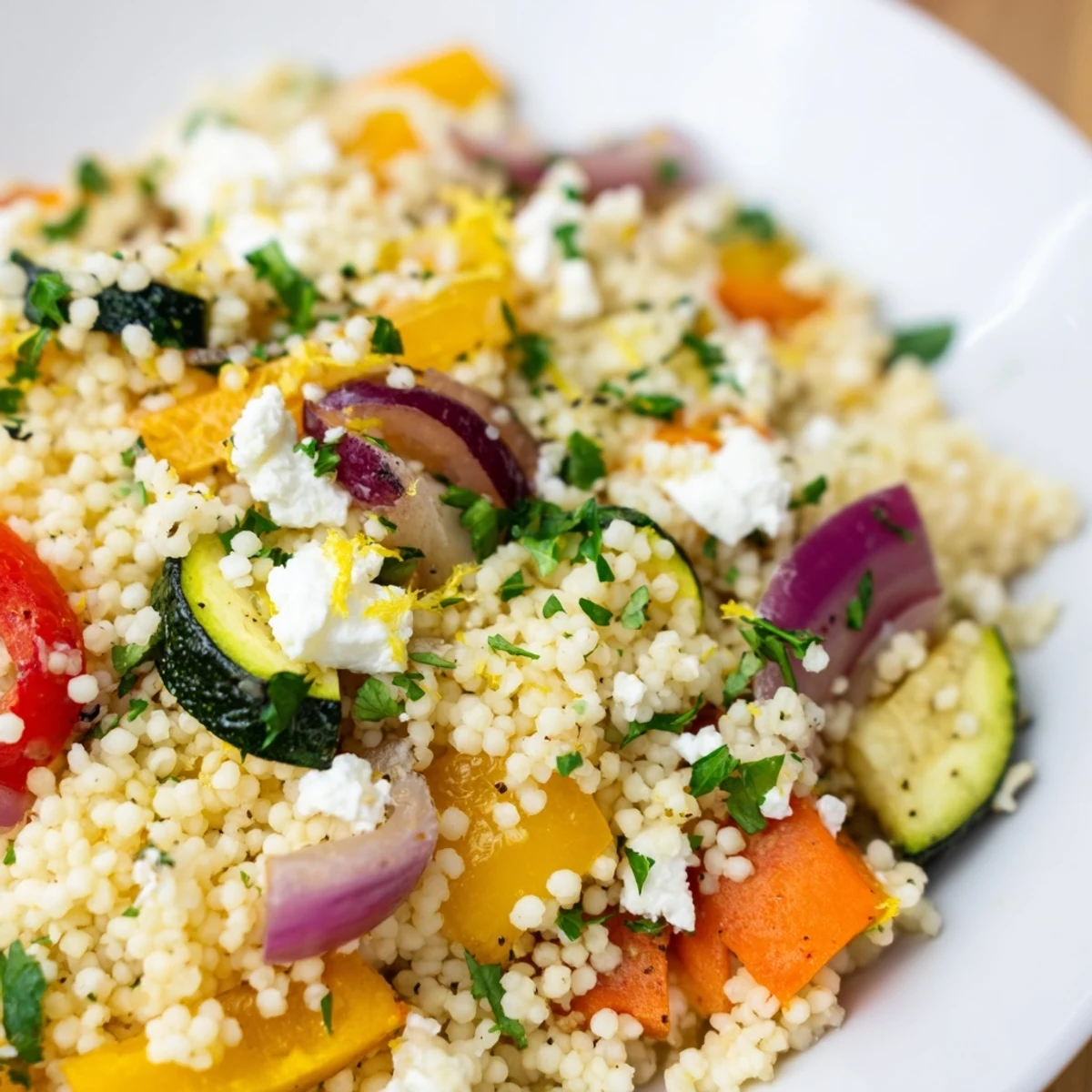
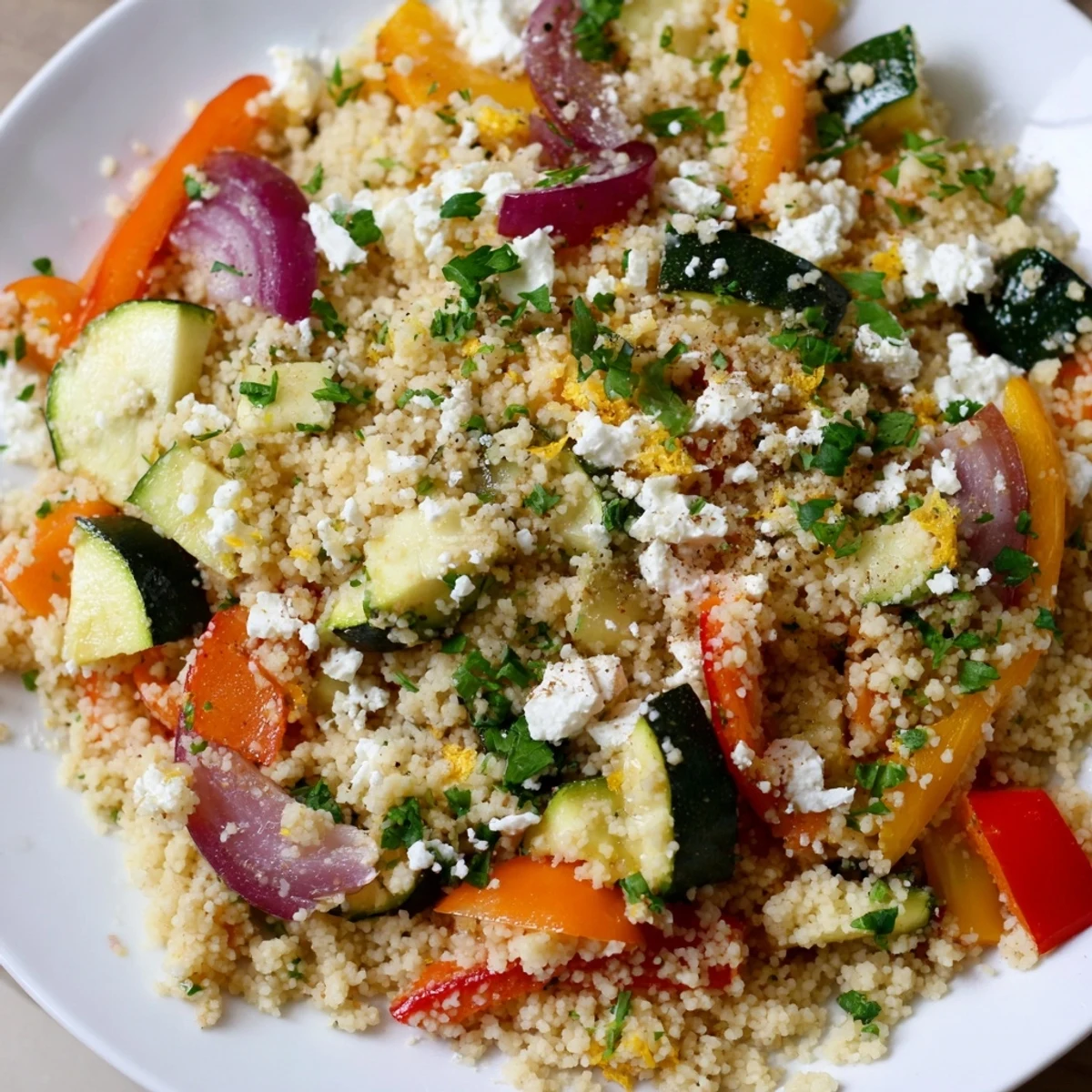
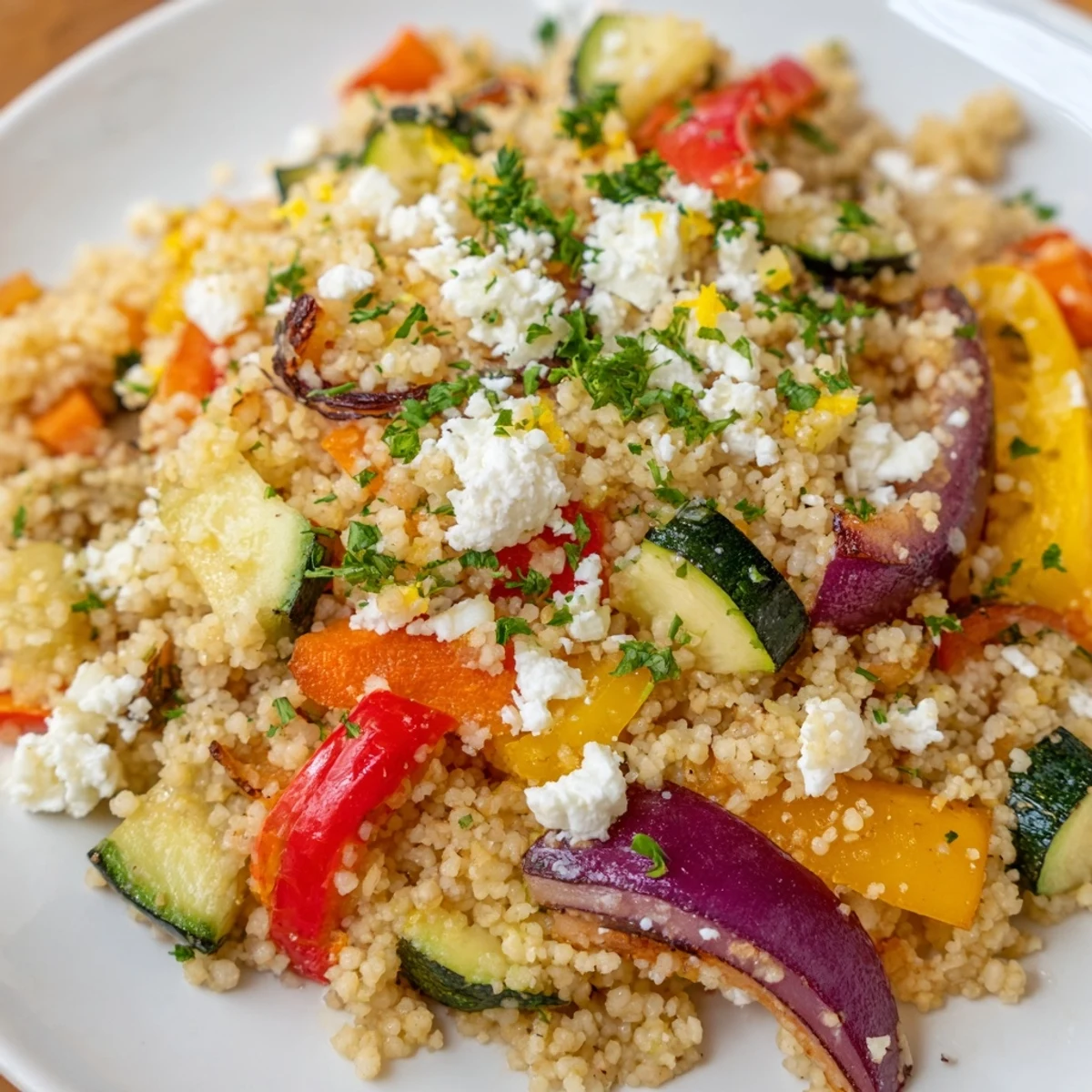
 This dish brings together a colorful blend of tender roasted zucchini, bell peppers, red onion, and carrot, seasoned with oregano and smoked paprika. Fluffy couscous is infused with vegetable broth and olive oil, then combined gently with the warm vegetables. A final touch of lemon juice and zest brightens the flavors, while crumbled feta and fresh parsley add a creamy and fresh finish. Perfect for a wholesome main or a hearty side, this Mediterranean-inspired plate is quick and easy to prepare.
There's something about the smell of roasting vegetables that pulls me back to a cramped apartment kitchen in Barcelona, where my neighbor would prop open her door on Sunday afternoons and fill the entire hallway with the aroma of paprika and caramelizing peppers. I'd stand there pretending to check my mail, honestly just hovering for that smell, until one day she invited me in and showed me how she built her meals around whatever vegetables looked best at the market that morning. This couscous dish is my love letter to those afternoons, reimagined in my own kitchen.
I made this for my sister's surprise birthday picnic last summer, and she kept asking why I was being secretive about ingredients—turns out she'd been craving something fresh and couldn't quite name it. We ate it straight from the bowl sitting on her apartment steps, and someone walking by stopped to ask what smelled so good. That moment taught me that the best recipes are the ones people want to know about before they even taste them.
Ingredients
- Zucchini, red and yellow bell peppers, red onion, and carrot: The foundation of flavor—choose vegetables that feel firm and vibrant, and don't peel the zucchini because the skin holds everything together while roasting.
- Olive oil: Use a quality oil you'd actually taste on bread; it matters when vegetables are the star.
- Dried oregano and smoked paprika: These two spices do the heavy lifting, warming the whole dish with a subtle smokiness that makes people ask what the secret ingredient is.
- Couscous: The canvas for everything else—buy the regular kind unless you have a reason not to, and resist the urge to stir it while it steams or it'll turn mushy.
- Vegetable broth: Hot broth matters more than you'd think; cold broth will shock the couscous and prevent proper fluffing.
- Feta cheese: Crumble it by hand rather than using pre-crumbled if you can; it stays fresher and breaks into better pieces.
- Fresh parsley and lemon: These arrive at the last moment like the final brushstrokes on a painting, lifting everything with brightness.
Instructions
- Get your oven hot and vegetables ready:
- Preheat to 220°C (425°F) and while it's warming, dice everything into roughly the same size so nothing finishes cooking before something else. Toss your vegetables with olive oil, oregano, paprika, salt, and pepper until they're all wearing a light coat of seasoning.
- Spread and roast:
- Lay everything out on a baking tray in a single layer—don't crowd them or they'll steam instead of roast. After 15 minutes, stir everything around and listen for that sizzle; it should smell irresistible by minute 25 when the edges start turning golden.
- Wake up your couscous:
- While vegetables roast, put couscous in a bowl and pour hot vegetable broth over it—the steam that rises up is doing the real work. Cover it and let it sit for exactly 5 minutes, then fluff with a fork using gentle strokes as if you're trying not to wake someone.
- Bring it all together:
- Fold the roasted vegetables into the fluffy couscous, add a squeeze of lemon juice and scatter the zest throughout. The heat from the vegetables will warm everything evenly, and the citrus will wake up all the flavors you've built.
- Finish and serve:
- Scatter feta across the top and add fresh parsley right before serving—if you add it too early, it'll wilt and lose its color. Taste a bite and adjust salt if needed; sometimes the vegetables release enough of their own salt that you need less than you think.
 Pin it
 The first time someone told me this dish tasted like summer, I realized that good food isn't just about technique—it's about capturing a feeling. That's when this recipe went from something I made to something I cared about.
Vegetables That Actually Shine
The magic isn't in exotic ingredients; it's in the roasting temperature and the patience to wait for browning. When vegetables caramelize, their natural sugars concentrate and develop a complex sweetness that raw or boiled vegetables can never match. This is why a $2 carrot becomes something worth talking about.
Making It Your Own
I've made this dish with eggplant, mushrooms, sweet potato, and whatever else looked appealing at the market, and it works every single time. The framework is forgiving because couscous and feta are such perfect carriers of whatever vegetables you choose. Treat the recipe as a suggestion, not a restriction, and you'll find yourself making it constantly.
Serving and Storing
This dish is one of the rare meals that tastes just as good—maybe even better—at room temperature the next day, which makes it perfect for lunch boxes and picnics. The couscous absorbs the vegetable juices overnight and becomes even more flavorful, and the feta cheese actually softens slightly from the residual heat and acid of the lemon.
- Keep leftovers in an airtight container for up to three days, and skip reheating unless you want it warm.
- If you're making this for a crowd, you can prepare the components a few hours ahead and assemble right before serving.
- The feta and parsley should always go on at the last moment to keep them bright and fresh.
 Pin it
 This recipe has become my answer to the question I used to dread: what should we bring to dinner? It's become the dish people request by name, which feels like the highest compliment a recipe can receive.
Recipe FAQs
- → Can I use different vegetables?
-
Yes, eggplant, mushrooms, or cherry tomatoes are excellent alternatives for roasting and complement the dish well.
- → How do I make the couscous fluffy?
-
Pour hot vegetable broth over couscous, drizzle with olive oil, cover and let it sit for 5 minutes before fluffing with a fork.
- → What can I substitute for feta cheese?
-
For dairy-free options, use vegan feta or omit cheese entirely without compromising flavor.
- → Is this dish suitable for gluten-free diets?
-
Use gluten-free couscous or quinoa to make this dish gluten-free while maintaining its texture.
- → Which herbs enhance the flavor best?
-
Fresh parsley adds a bright, herbal note, harmonizing with lemon and spices to elevate the dish’s Mediterranean profile.
- → Can nuts be added to this dish?
-
Toasted pine nuts make a delicious addition, offering crunch and a nutty depth to the flavor.