
 Pin it
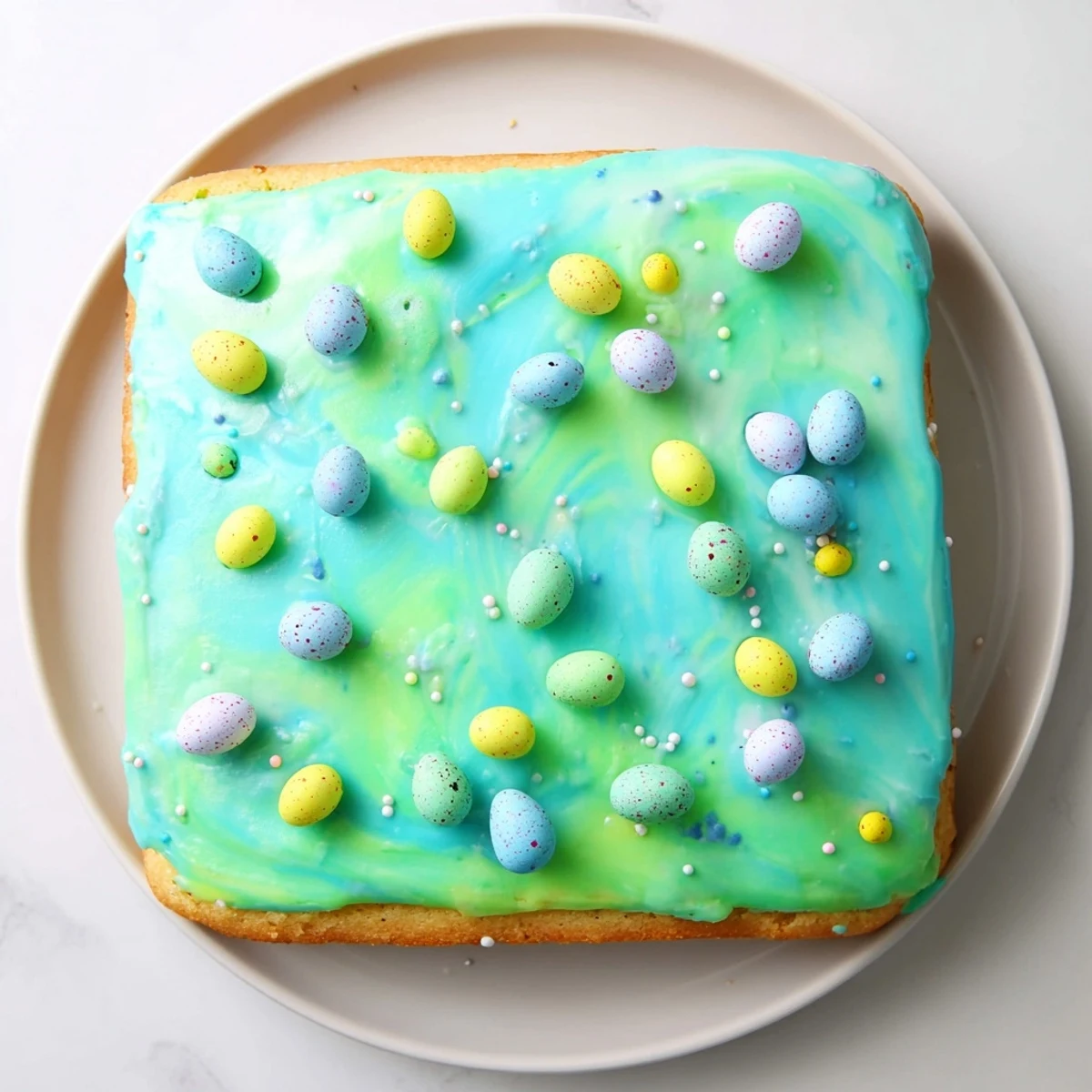
 This tender vanilla cake features crushed candy-coated robin eggs folded into the batter for delightful crunch and color throughout. A quick buttermilk base keeps the crumb moist and tender, while a simple pastel glaze adds a festive finish perfect for spring gatherings and Easter celebrations.
The cake comes together in under 30 minutes of active prep time and bakes in about 30 minutes. You can customize the glaze colors to match your celebration theme, and the whole candy eggs on top create an eye-catching presentation. Store covered at room temperature for up to two days.
Last spring I stood in the candy aisle way too long, captivated by those speckled pastel robin eggs, wondering if they belonged anywhere but an Easter basket. The idea of baking them into a cake felt slightly reckless but also exactly the kind of kitchen adventure I needed. My first attempt had the candies sinking straight to the bottom, creating this accidental crunchy layer that somehow made everyone fight over the corners.
I made this for my nieces birthday in April, and she actually stopped mid bite to declare it the most fun cake shed ever seen. The way the robin eggs peek through the glaze like little treasures makes everyone lean in closer. Its become my go to whenever I need something that feels festive without the fuss of elaborate decorating.
Ingredients
- 1 2/3 cups all-purpose flour: The foundation of your tender crumb, spoon and level for accuracy
- 1 tsp baking powder: Gives the cake just enough lift without being too airy
- 1/2 tsp baking soda: Works with the buttermilk for perfect rise
- 1/2 tsp fine salt: Balances the sweetness and enhances vanilla flavor
- 1/2 cup unsalted butter: Room temperature is non negotiable here for proper creaming
- 1 cup granulated sugar: Cream this thoroughly with butter for that tender texture
- 2 large eggs: Also room temperature, added one at a time
- 1 tsp vanilla extract: Pure extract makes a noticeable difference
- 2/3 cup buttermilk: The secret ingredient for moisture and subtle tang
- 1 1/4 cups crushed candy-coated robin eggs: Crush them into various sizes, some sandy some pea sized
- 1 cup powdered sugar: For that perfect pourable glaze
- 1-2 tbsp milk: Add gradually until you reach the right consistency
- Food coloring: Just one drop each of blue and green for that soft spring palette
- Whole robin eggs: The crowning glory, placed strategically on top
Instructions
- Get your oven ready:
- Preheat to 350°F and line an 8x8 pan with parchment, letting some hang over the sides for easy removal later.
- Whisk the dry team:
- In a medium bowl, combine flour, baking powder, baking soda, and salt, then set aside.
- Cream butter and sugar:
- Beat butter and sugar until theyre pale and fluffy, about 3 full minutes, really letting the sugar dissolve into the butter.
- Add eggs and vanilla:
- Add eggs one at a time, beating well after each, then mix in vanilla until everything is glossy and smooth.
- Combine wet and dry:
- Alternate adding dry ingredients and buttermilk in three additions, mixing gently just until flour disappears.
- Fold in the candy:
- Gently fold in crushed robin eggs, then spread batter into your prepared pan, smoothing the top with an offset spatula.
- Bake to perfection:
- Bake 28 to 32 minutes until a toothpick comes out clean, but dont overbake or youll lose that tender texture.
- Cool completely:
- Let the cake cool completely in the pan, this is crucial for the glaze to set properly.
- Make the glaze:
- Whisk powdered sugar with 1 tablespoon milk, adding more drop by drop until thick but pourable like honey.
- Color and drizzle:
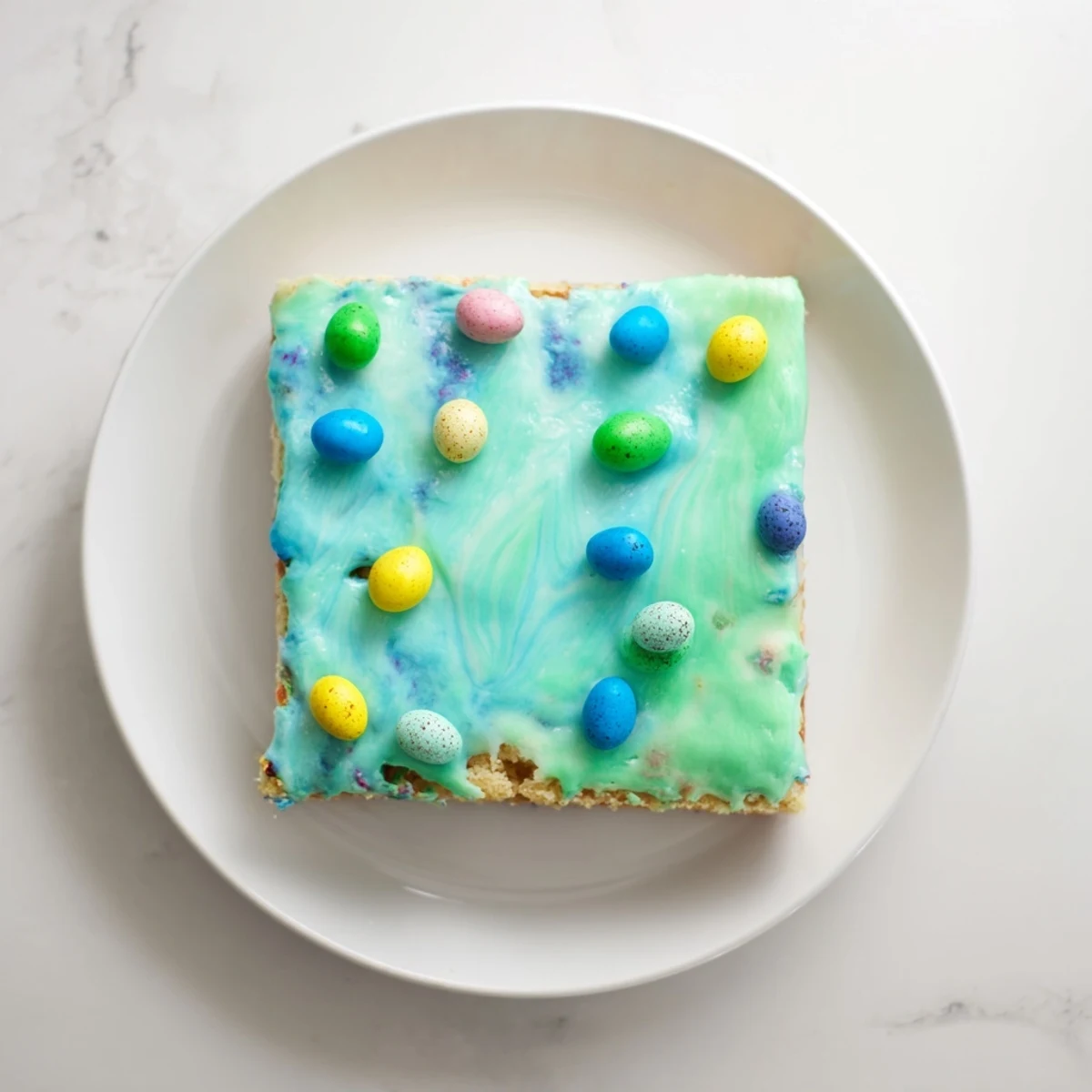
- Divide glaze between two small bowls, tint one with blue, one with green, then drizzle randomly over the cake.
- Final touch:
- Scatter whole robin eggs on top while the glaze is still wet, let set for about 30 minutes, then slice and serve.
 Pin it
 This cake has this magical way of making ordinary moments feel special. Last week I served it at book club and the conversation turned to childhood Easter memories, everyone sharing stories while picking at the pastel candies on their plates.
Making It Your Own
Lemon zest in the batter creates this bright undertone that plays beautifully with the candy shell sweetness. Sometimes I add almond extract instead of vanilla for a more sophisticated flavor profile that surprises people.
Glaze Secrets
The trick to that professional looking drizzle is warming the glaze slightly for about 10 seconds in the microwave. Swirling the colored glazes together with a toothpick creates a marbled effect that looks impressive but takes zero skill.
Serving And Storing
This cake actually tastes better on day two when the flavors have had time to mingle and the candy has softened slightly. I keep it on the counter under a cake dome, bringing it to room temperature before serving if it has chilled.
- Use a serrated knife for clean slices that dont drag the candy through the cake
- If you need to make it ahead, bake and glaze the day before, add whole eggs just before serving
- This recipe doubles perfectly for a 9x13 pan when feeding a crowd
 Pin it
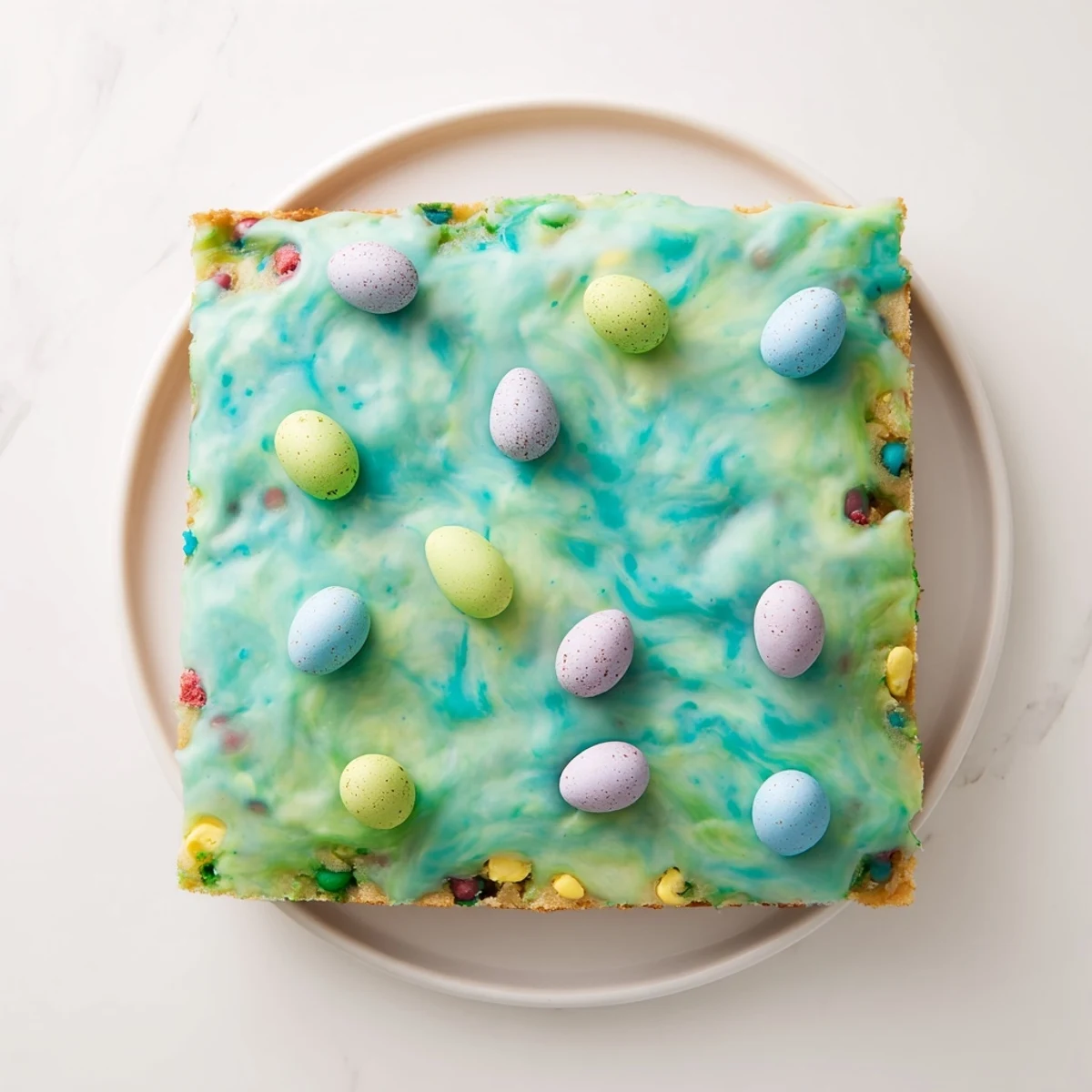
 Theres something about cutting into this cake and revealing those speckled treasures hidden inside that never gets old. Hope it brings as much joy to your kitchen as it has to mine.
Recipe FAQs
- → What type of candy works best in this cake?
-
Candy-coated chocolate robin eggs or malted milk eggs work perfectly because they hold their shape during baking while adding a satisfying crunch. The candy coating protects the chocolate inside from melting completely.
- → Can I make this cake ahead of time?
-
Yes, bake the cake up to 24 hours in advance. Store uncovered once completely cooled, then add the glaze and candy topping the day you plan to serve. The glazed cake keeps well at room temperature for up to 2 days.
- → What if I can't find robin eggs?
-
Pastel chocolate malted eggs, mini egg candies, or even chopped chocolate-covered candy bars make excellent substitutes. Look for spring-themed candy displays at your grocery store for seasonal options.
- → Why use buttermilk in this cake?
-
Buttermilk's acidity reacts with the baking soda to create extra lift, resulting in a tender, moist crumb. If you don't have buttermilk, mix 1 cup milk with 1 tablespoon vinegar and let sit for 5 minutes.
- → How do I prevent the candy from sinking to the bottom?
-
Toss the crushed candy pieces in a tablespoon of flour before folding them into the batter. This light coating helps suspend the candy throughout the cake rather than letting it settle during baking.