
 Pin it
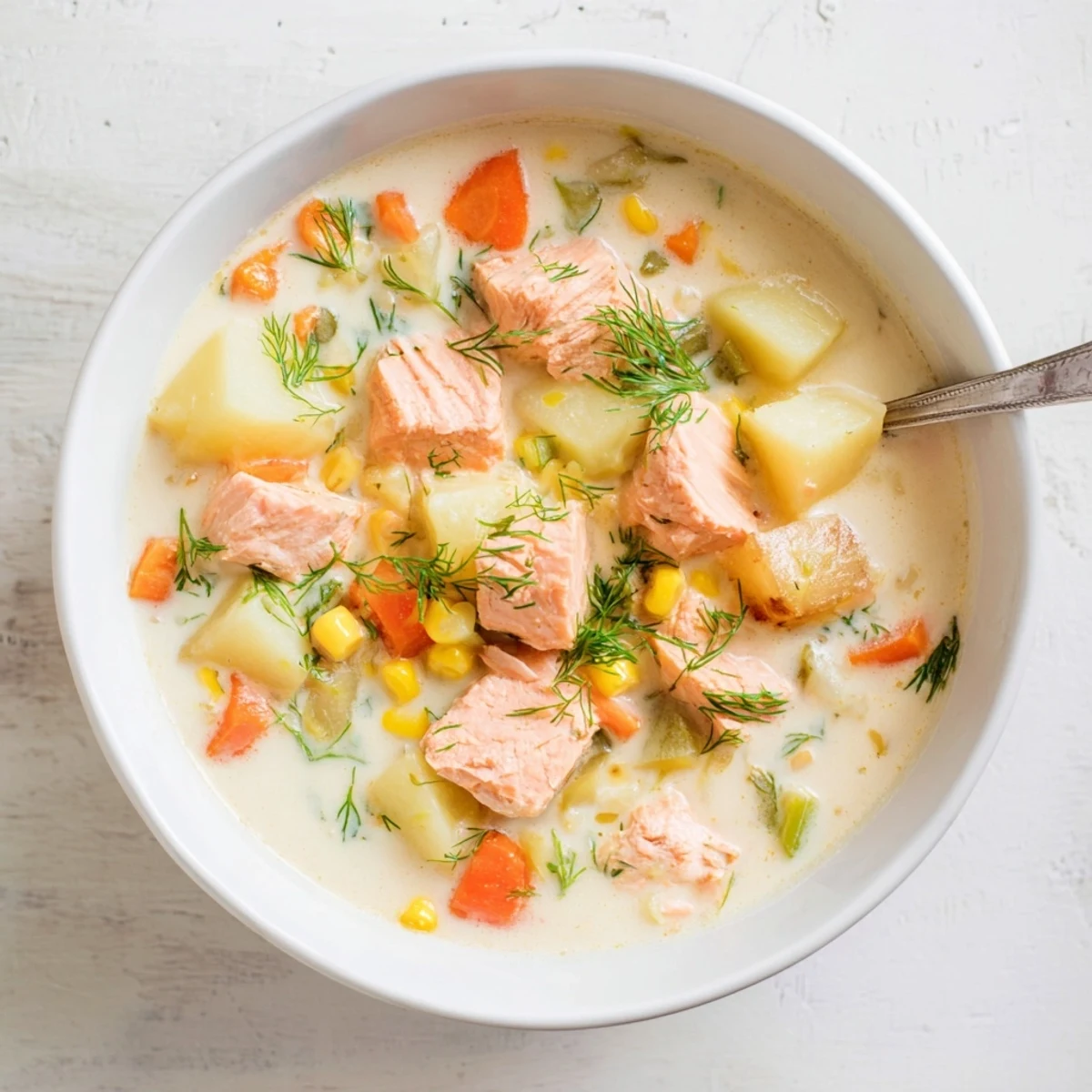
 This hearty bowl combines smoky salmon with tender potatoes and sweet corn in a creamy base. Ready in just 50 minutes, it's an ideal choice for cold weather dining. The smoked salmon adds depth while the vegetables provide texture and sweetness. Perfect served with crusty bread and a crisp white wine.
The wind was howling against my kitchen windows last November, the kind of damp gray afternoon that practically demands something creamy and warming in a bowl. I'd picked up some smoked salmon from the market on impulse, not really having a plan, but the moment I started sautéing onions and celery in butter, the whole house started smelling like a proper supper.
My sister was visiting that weekend and we'd spent the day hiking through cold trails. When she walked in trailing damp coats and muddy boots, that first whiff of bubbling chowder stopped her in her tracks. She stood at the stove with a spoon, 'just tasting,' until I had to gently shoo her away so I could actually finish it.
Ingredients
- 200 g (7 oz) smoked salmon: The star of the show, skin removed and cut into bite-sized pieces. Look for cold-smoked salmon that's not too salty.
- 1 medium onion: Finely chopped so it melts into the base. Sweet yellow onions work beautifully here.
- 2 cloves garlic: Minced fresh. Don't use jarred garlic here, it needs to be bright and pungent.
- 2 medium potatoes: Peeled and diced into small cubes. Yukon Gold or russet potatoes hold their shape nicely.
- 1 large carrot: Diced small. This adds little pockets of sweetness throughout.
- 1 celery stalk: Diced. The classic aromatic trio that makes everything taste like home.
- 1 cup (150 g) corn kernels: Fresh or frozen, they add pops of sweetness and texture.
- 2 tablespoons fresh dill: Chopped, plus extra for garnish. Dill and salmon are absolutely meant to be together.
- 2 tablespoons unsalted butter: For sautéing the vegetables. This creates the flavor foundation.
- 2 cups (480 ml) whole milk: Use whole milk for the best creamy texture.
- 1 cup (240 ml) heavy cream: This is what makes it luxurious and restaurant-quality.
- 2 cups (480 ml) fish or vegetable stock: Homemade stock is wonderful, but a good quality store-bought works too.
- 1 teaspoon salt: Adjust depending on how salty your smoked salmon is.
- ½ teaspoon black pepper: Freshly ground makes all the difference.
- ¼ teaspoon smoked paprika: Optional, but echoes the smokiness of the salmon beautifully.
- 1 bay leaf: A classic soup addition that adds subtle depth.
Instructions
- Build the aromatic base:
- Melt the butter in a large pot over medium heat. Add the onion, garlic, carrot, and celery, sautéing until softened and fragrant, about 5 minutes. The kitchen should start smelling wonderful right about now.
- Add the hearty vegetables:
- Stir in the diced potatoes, corn, bay leaf, salt, pepper, and smoked paprika if using. Let everything cook together for 2 minutes, stirring occasionally to coat the vegetables in those buttery flavors.
- Create the broth:
- Pour in the stock and bring to a gentle boil. Reduce heat, cover, and simmer for 15 minutes until the potatoes are tender when pierced with a fork. The potatoes should be soft but not falling apart.
- Make it creamy:
- Stir in the milk and heavy cream. Simmer uncovered for another 5 minutes, stirring occasionally to prevent scorching. The chowder will start to thicken and look absolutely gorgeous.
- Add the smoked salmon:
- Gently fold in the smoked salmon pieces and fresh dill. Simmer for just 3 to 4 minutes until the salmon is heated through, being careful not to let the soup boil. The salmon will release its smoky essence into every spoonful.
- Finish and serve:
- Remove and discard the bay leaf. Taste the chowder and adjust the seasoning if needed. Ladle into warm bowls, sprinkle with extra dill, and serve while piping hot.
 Pin it
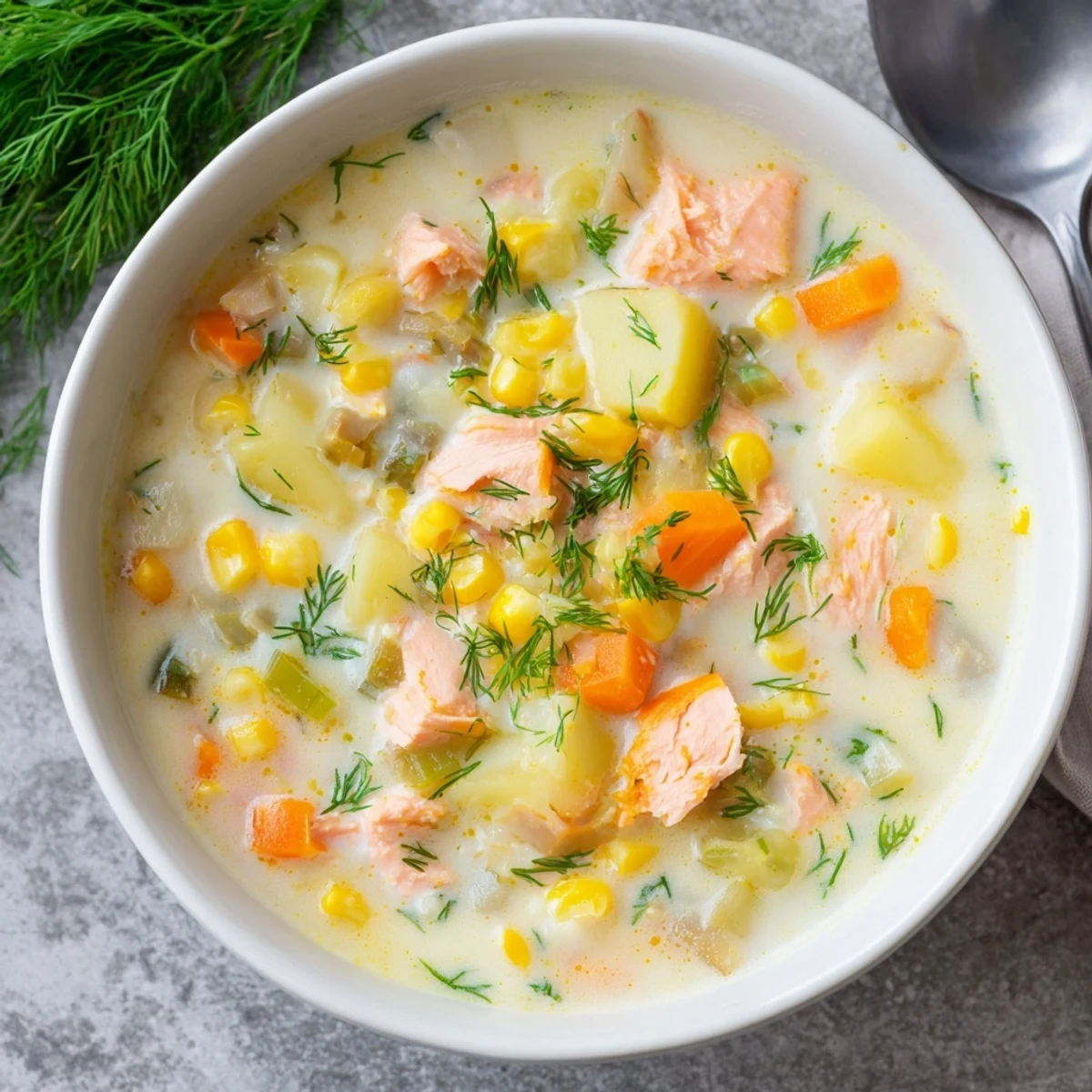
 That evening, we sat around the table with steaming bowls, watching the rain streak against the windows. Something about a chowder makes conversation slow and easy, the kind of meal where you linger over your spoon and forget what time it is.
Getting the Perfect Texture
Some nights I crave a brothy soup and others I want something velvety and thick. For a heartier chowder, use the back of your spoon to mash some of the potatoes right in the pot before adding the salmon. This releases their starch and naturally thickens everything without needing flour. I learned this trick from a chef who swore the best chowders never needed roux, just patient potato mashing.
Choosing Your Smoked Salmon
Not all smoked salmon is created equal when it comes to chowder. Cold-smoked salmon is delicate and silky, while hot-smoked has a flakier, more cooked texture. Both work beautifully, but they'll give you slightly different results in the bowl. If your salmon is quite salty, reduce the added salt and taste as you go. I once made the mistake of not adjusting for a particularly salty piece and ended up with a chowder that had us all reaching for water glasses.
Make-Ahead Secrets
The beauty of this chowder is that it actually tastes better on day two. The flavors have time to meld and the smoked salmon permeates everything. Make it up to adding the milk and cream, let it cool completely, and refrigerate. When you're ready to serve, gently reheat and stir in the dairy and salmon just before serving.
- If you're freezing this, leave out the cream and add it when reheating
- The potatoes can get a bit mushy after freezing, so fresh is best
- Always reheat gently over low heat to prevent separating
 Pin it
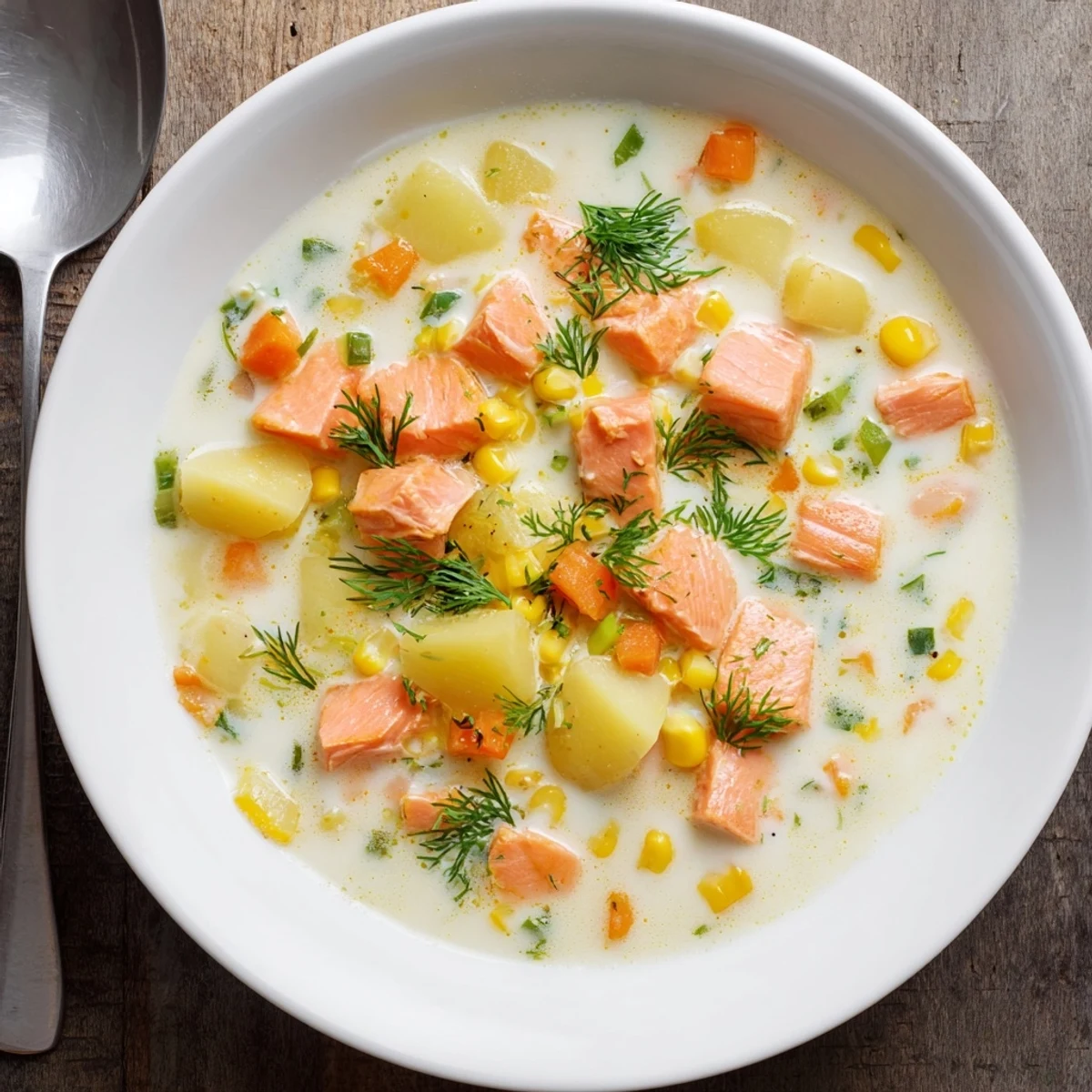
 There's something about a homemade chowder that makes even a regular Tuesday feel special. Hope this brings warmth to your table too.
Recipe FAQs
- → Can I use fresh salmon instead of smoked?
-
Fresh salmon will work but you'll lose the smoky depth that defines this dish. If using fresh, consider adding liquid smoke or additional smoked paprika to compensate for the missing flavor.
- → How do I store leftovers?
-
Store in an airtight container in the refrigerator for up to 3 days. Reheat gently over low heat, stirring occasionally to prevent separating. Avoid boiling when reheating.
- → Can I make this dairy-free?
-
Substitute coconut milk or a creamy non-dairy alternative for the whole milk and heavy cream. The texture will be slightly different but still satisfying. Use olive oil instead of butter.
- → What type of potatoes work best?
-
Yukon Gold or russet potatoes hold their shape well during cooking. Avoid waxy varieties like red potatoes, as they won't break down slightly to help thicken the broth.
- → Can I freeze this chowder?
-
Freezing is possible but may cause the dairy to separate. For best results, freeze without the cream and milk, then add fresh dairy when reheating. Consume within 3 months.