
 Pin it
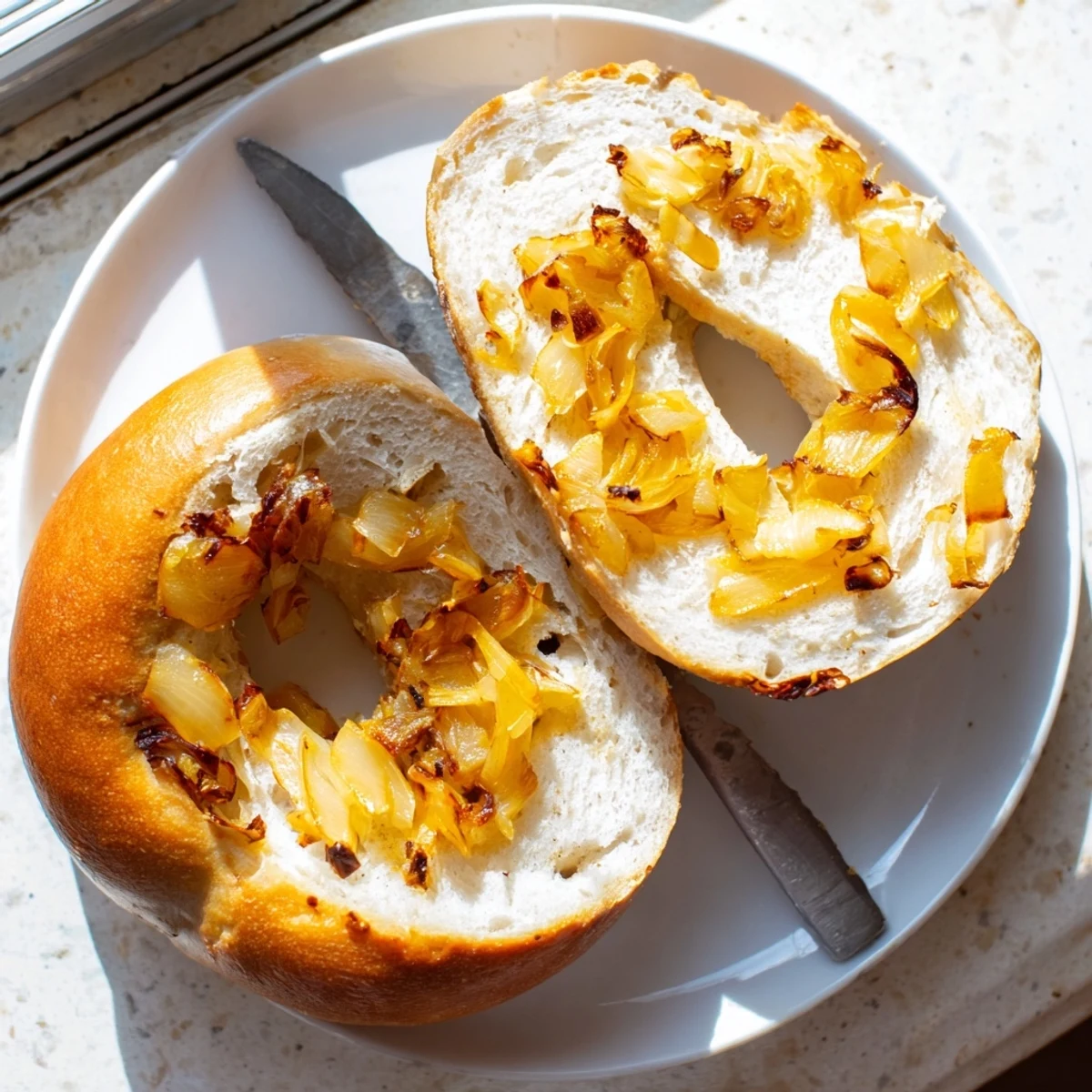
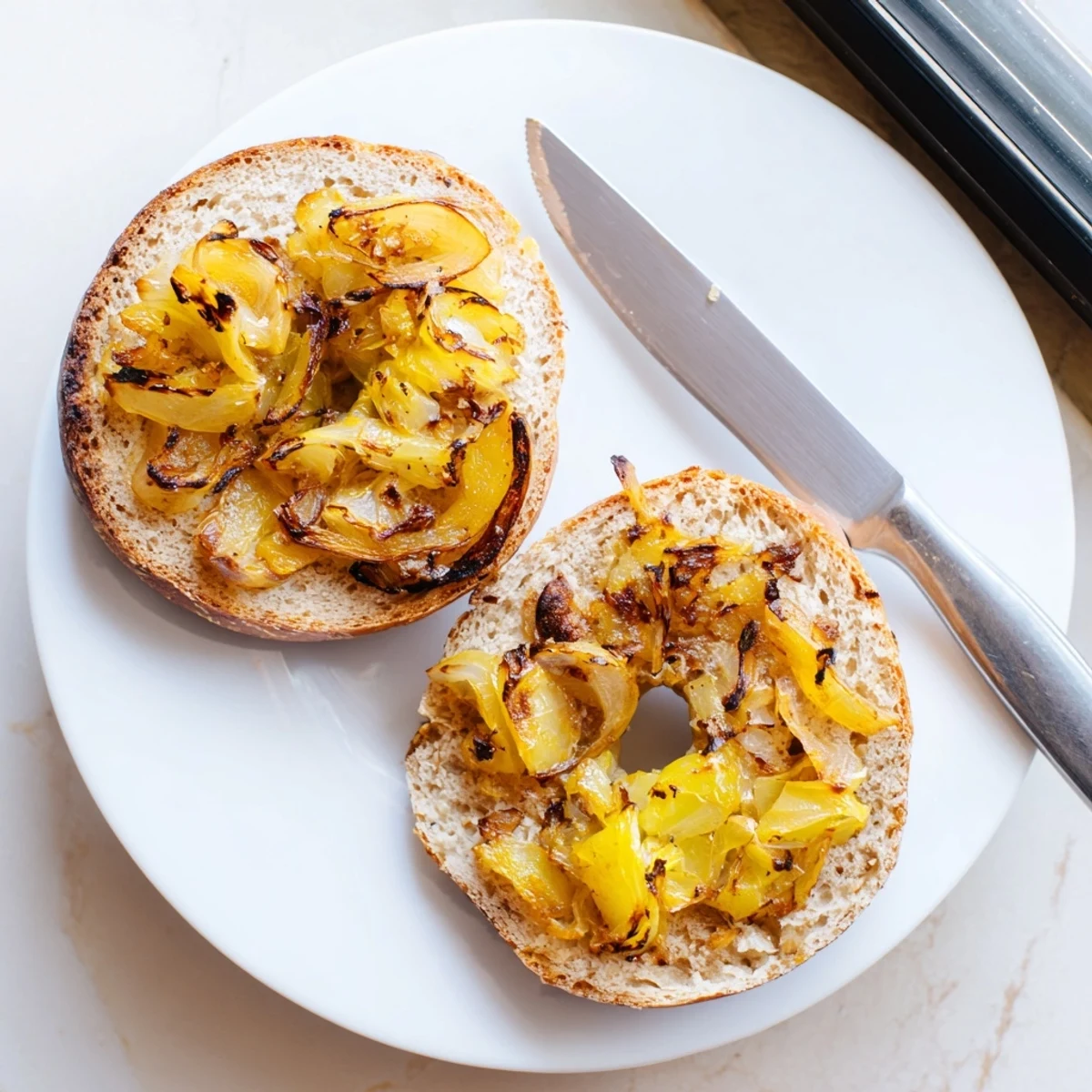
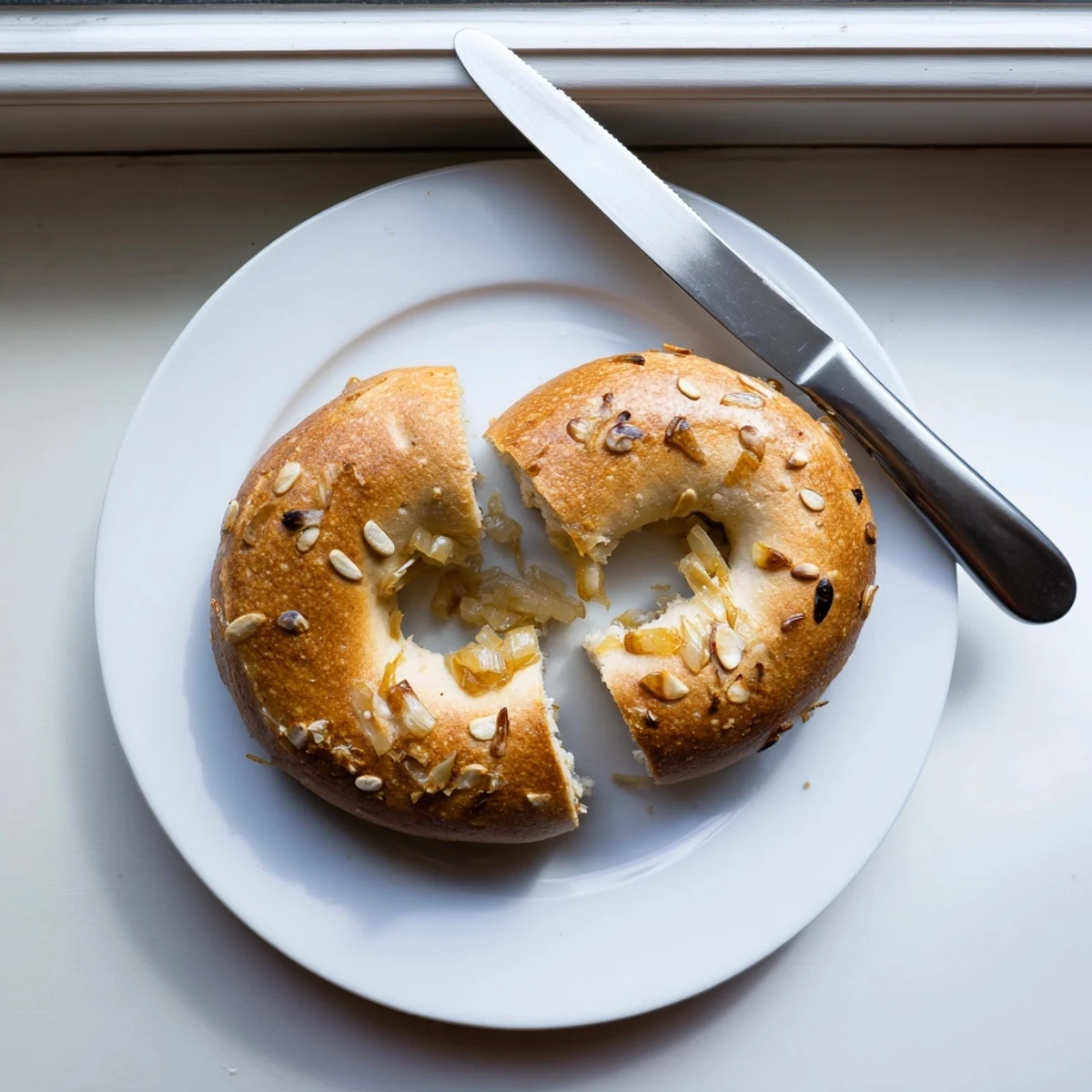
 These chewy bagels combine tangy sourdough starter with sweet caramelized onions for a bakery-style result. The dough requires an overnight fermentation in the refrigerator for optimal flavor development and texture. Each bagel is briefly boiled before baking to create that signature shiny crust and dense interior. The finished bagels feature a golden-brown exterior with deeply flavored onion topping that adds sweetness and savory depth. Perfect for toasting and serving with cream cheese or your favorite spreads.
The first time I made these sourdough onion bagels, my entire apartment smelled like a New York bakery meets a French bistro. I'd spent weeks feeding my starter, those little bubbles becoming strangely personal to me, and finally decided it was time for something ambitious. My roommate wandered in at midnight, attracted by the slow-cooking onions, and we ended up eating two warm bagels standing up in the kitchen, burning our fingers because we couldn't wait.
I made these for my sister's birthday brunch last spring, and honestly, they stole the show from the elaborate frittata I'd planned. Everyone kept asking what made them taste so complex, that perfect chewy-give that separates real bagels from bread circles. The best part was seeing my dad, skeptical about 'fancy bread,' go back for thirds with just a little salted butter.
Ingredients
- Active sourdough starter: This living ingredient is what gives the bagels their characteristic tang and chewy texture
- Bread flour: The higher protein content creates that satisfying bagel density and structure
- Whole wheat flour: Just enough adds nutty depth without weighing down the crumb
- Honey: Feeds the fermentation and contributes to the beautiful golden crust
- Fine sea salt: Enhances flavor and helps strengthen the gluten network
- Yellow onions: When caramelized slowly, they become sweet and concentrated
- Barley malt syrup: Traditional bagel-boiling secret that gives the crust its signature shine
Instructions
- Caramelize the onions:
- Heat olive oil in a skillet over medium-low heat, add thinly sliced onions and salt, then cook slowly for 20 to 25 minutes until they're deep golden and fragrant.
- Mix the base:
- Combine starter, warm water, and honey in a large bowl until the starter dissolves completely.
- Build the dough:
- Add both flours and salt, mix until a rough dough forms, then turn onto a floured surface and knead for 8 to 10 minutes until smooth and elastic.
- First rise:
- Place dough in a lightly oiled bowl, cover, and let rest at room temperature for 4 to 6 hours until noticeably puffy.
- Shape:
- Divide dough into 8 equal pieces, roll each into a tight ball, then poke a hole through the center and gently stretch to form a 2-inch opening.
- Second proof:
- Arrange on a parchment-lined baking sheet, cover loosely, proof for 1 hour at room temperature, then refrigerate overnight.
- Preheat:
- Heat your oven to 425°F and bring water to a gentle boil with barley malt syrup.
- Boil:
- Carefully drop each bagel into the simmering water for 45 seconds per side, then remove with a slotted spoon.
- Top and bake:
- Press caramelized onions onto the wet bagels, then bake for 20 to 25 minutes until deeply golden and crisp.
- Cool completely:
- Let bagels rest on a wire rack for at least 30 minutes before slicing to preserve that perfect bagel texture.
 Pin it
 These became my weekend ritual during a particularly stressful month at work. Something about the slow process, the tangible transformation, made me feel grounded. I'd start the onions Friday night, shape before bed, and wake up Saturday to something that felt like a small victory before the day even began.
Getting That Perfect Chew
The boiling step is what creates the bagel's signature texture. The hot water gelatinizes the surface starch, forming that thin, shiny crust that encases the dense interior. Skipping this step gives you bread, not bagels.
Storing For Later
Once completely cooled, slice the bagels and freeze them in freezer bags. They'll toast up beautifully from frozen, no thawing needed. I keep a stash at work for emergency breakfasts.
Serving Ideas
The sweet and savory profile makes these incredibly versatile. They're substantial enough to stand up to bold toppings but gentle enough for just butter.
- Try with whipped ricotta and fresh herbs for brunch
- Layer with smoked salmon and capers for a classic treatment
- Simply toasted with salted butter highlights the onion sweetness
 Pin it
 There's something deeply satisfying about making something most people only buy. These bagels have a way of making a regular Tuesday morning feel intentional.
Recipe FAQs
- → How long does the dough need to ferment?
-
The dough ferments at room temperature for 4–6 hours until doubled, then proofs in the refrigerator overnight for 8–12 hours. This extended fermentation develops the sourdough flavor and creates the perfect chewy texture.
- → Can I skip the boiling step?
-
Boiling is essential for authentic bagel texture. The boiling process gelatinizes the surface starch, creating the shiny crust and dense interior that distinguish bagels from regular bread. Skipping this step will result in bread rolls rather than bagels.
- → What does barley malt syrup do?
-
Barley malt syrup adds subtle sweetness and helps the bagels develop a deep golden-brown color during baking. You can substitute with honey if unavailable, though the flavor profile will be slightly different.
- → How should I store these bagels?
-
Store bagels at room temperature in a paper bag for up to 2 days. For longer storage, slice and freeze in airtight bags for up to 1 month. Toast frozen bagels directly from the freezer for best results.
- → Can I use active dry yeast instead of sourdough?
-
While you could substitute with commercial yeast, you would lose the characteristic tangy flavor and extended fermentation benefits that sourdough provides. The sourdough starter contributes significantly to both taste and texture.