
 Pin it
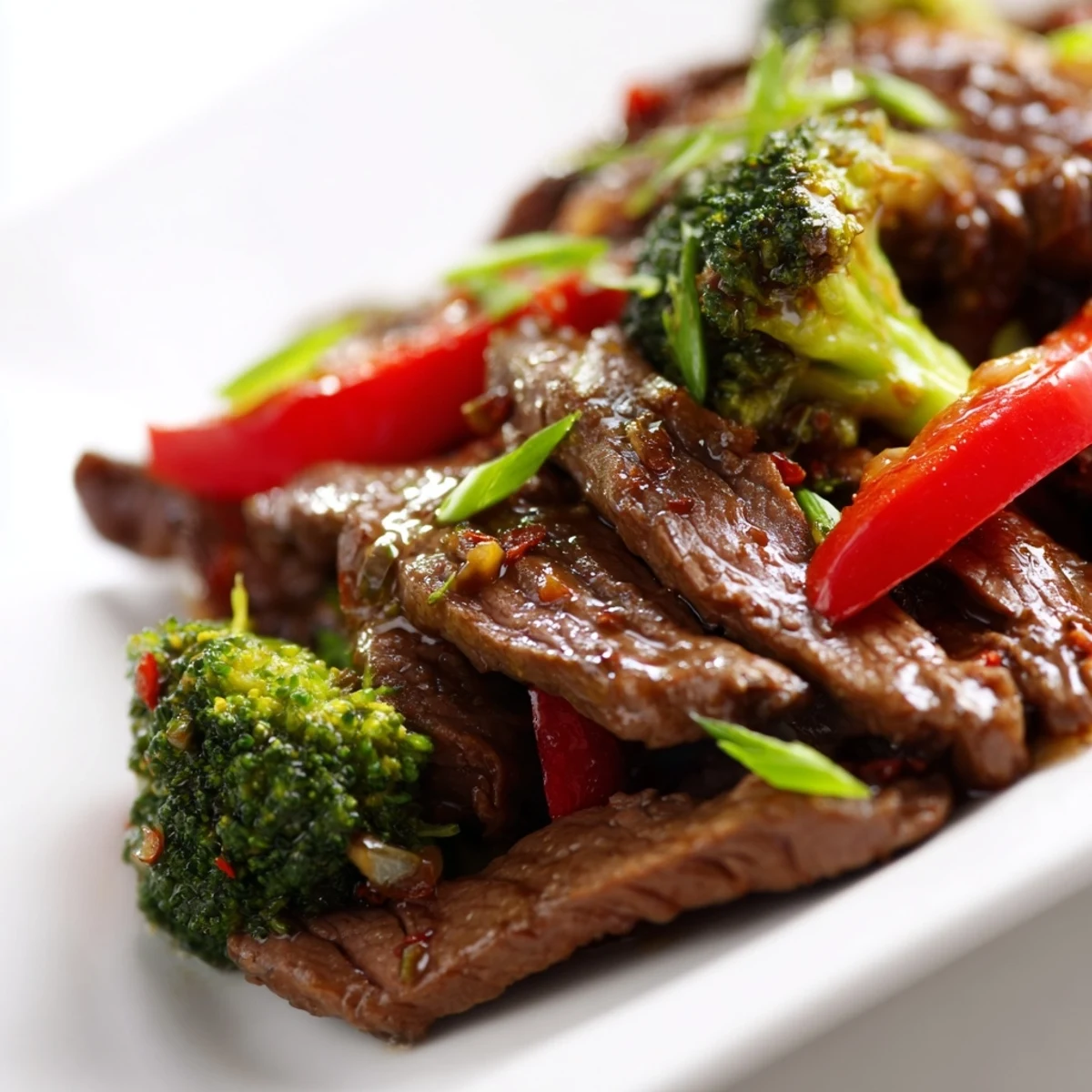
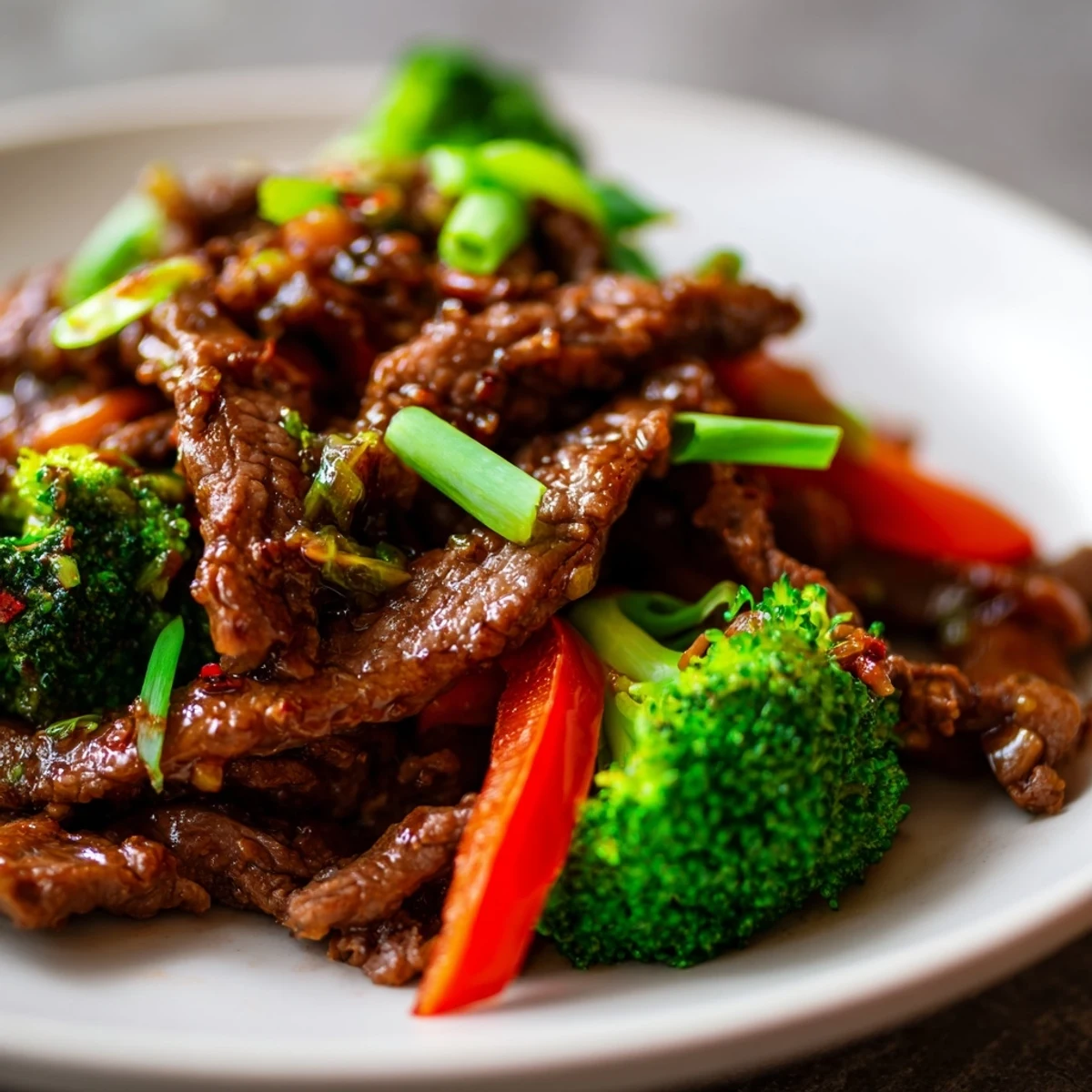
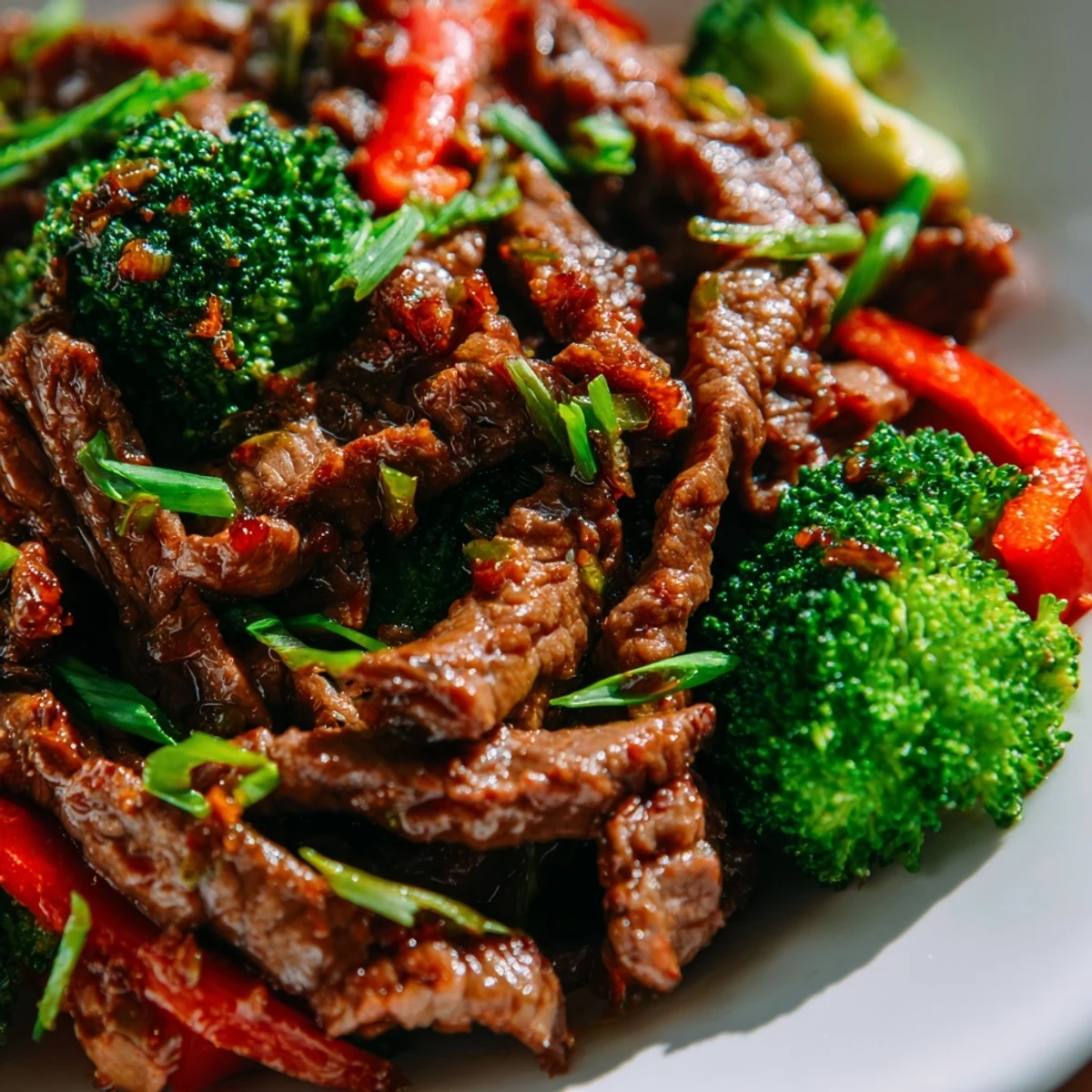
 This dish combines thinly sliced tender beef with fresh broccoli florets, red bell pepper, garlic, and ginger in a savory, spicy sauce made from soy, oyster, and chili sauces. Marinating the beef enhances its flavor while a quick stir-fry keeps vegetables crisp and vibrant. Served best with jasmine rice and optionally garnished with spring onions, it’s an easy, flavorful option that comes together in just 30 minutes.
Adjust spiciness to your taste using Sriracha or chili flakes. For dietary variations, tamari and vegetarian oyster sauce can be used. This meal pairs well with a crisp Riesling or cold lager for a balanced experience.
There's a moment in every home cook's life when a wok becomes your best friend, and mine arrived on a rainy Tuesday when my neighbor challenged me to make something spicier than my usual comfort zone. I grabbed some flank steak, fresh broccoli, and decided to trust my instincts with a sauce that would either be brilliant or a cautionary tale. Turns out, those first few minutes of high heat and the sharp sizzle of beef hitting the pan taught me more about cooking than any recipe had before. Now this spicy beef stir fry is the dish I make when I want to feel like I actually know what I'm doing in the kitchen.
I'll never forget cooking this for my sister's surprise dinner party when she was going through a rough week. She walked into the kitchen as the beef was browning, and the smell alone made her pause—this spicy, savory, ginger-garlic perfume that seemed to say everything would be okay. When she tasted it twenty minutes later, she actually stopped talking mid-sentence, which for her is saying something. That's when I realized this dish had become my secret weapon for turning ordinary nights into something memorable.
Ingredients
- Flank steak or sirloin, 450 g (1 lb), thinly sliced against the grain: Slicing against the grain breaks up the muscle fibers, making each bite melt instead of chew—this one move changed everything for me.
- Soy sauce (for marinade), 1 tbsp: This does double duty, seasoning the beef while the salt helps it absorb moisture and stay juicy through the high heat.
- Cornstarch, 2 tsp total (1 tsp for beef, 1 tsp for sauce): It creates a silky coating on the beef and thickens the sauce so it clings to every vegetable instead of pooling at the bottom.
- Sesame oil, 1 tsp: A small amount goes a long way—it adds depth and nuttiness that makes people ask what your secret ingredient is.
- Broccoli, 1 large head, cut into florets (about 350 g): Keep florets roughly bite-sized so they stay tender-crisp and don't disappear into mush.
- Red bell pepper, 1, sliced: The sweetness balances the spice, and the bright color reminds you this is vegetable-forward comfort food.
- Garlic and ginger, 2 cloves and 1 tbsp minced: These two are the backbone—mince them fresh and add them at just the right moment so they perfume the whole dish without burning.
- Spring onions, 2, sliced (optional garnish): The fresh onion bite at the end feels like a small luxury that costs almost nothing.
- Soy sauce (for sauce), 3 tbsp: This is where most of your salt flavor comes from, so taste as you go.
- Oyster sauce, 2 tbsp: It adds umami depth and a subtle sweetness that makes the spice land differently on your palate.
- Rice vinegar, 1 tbsp: A tiny amount of acid brightens everything and keeps the sauce from tasting flat.
- Sriracha or chili garlic sauce, 1–2 tbsp: Start with 1 tbsp and taste before adding more—heat builds as it sits.
- Brown sugar, 1 tbsp: A pinch of sweetness rounds out the spice and balances the saltiness of the soy and oyster sauces.
- Water, 1/2 cup (120 ml): This becomes your sauce base, so use it to adjust the consistency if needed.
- Vegetable oil, 2 tbsp: High smoke point oil is essential here—avocado or peanut oil work beautifully if you have them.
- Jasmine rice, to serve (optional): If you're serving with rice, start cooking it while you prep ingredients so everything finishes together.
Instructions
- Prepare your mise en place:
- This is the step that makes everything else feel effortless. Slice your beef thinly against the grain, cut your vegetables, mince your garlic and ginger, and line them all up on a cutting board or in small bowls. Having everything ready means you can actually pay attention to what's happening in the wok instead of scrambling.
- Marinate the beef:
- Toss your beef slices with 1 tbsp soy sauce, 1 tsp cornstarch, and 1 tsp sesame oil in a small bowl. This takes maybe a minute, and while it sits, your meat absorbs the seasonings and gets ready to brown beautifully.
- Mix the stir fry sauce:
- In a small bowl, whisk together 3 tbsp soy sauce, 2 tbsp oyster sauce, 1 tbsp rice vinegar, 1–2 tbsp Sriracha, 1 tbsp brown sugar, 1/2 cup water, and 1 tsp cornstarch. Give it a good stir so the cornstarch doesn't settle, then set it aside within arm's reach of your stove.
- Heat your wok and sear the beef:
- Heat 1 tbsp vegetable oil in a large wok or skillet over high heat until it just starts to shimmer—you'll see the oil kind of dance. Working in batches if needed, add the beef in a single layer (don't crowd the pan or it will steam instead of brown) and let it sit for 1–2 minutes undisturbed so it develops a nice crust. Then stir-fry for another 1–2 minutes until it's browned but still medium-rare inside, then remove it to a plate.
- Cook the vegetables:
- Add your remaining 1 tbsp oil to the now-empty wok and immediately add your broccoli and red bell pepper. The heat should be fierce and the sizzle should be loud—this is what keeps vegetables crisp instead of soggy. Stir-fry for 2–3 minutes, then add your minced garlic and ginger and cook for about 1 minute more, stirring constantly so they don't stick or burn.
- Bring it all together:
- Return the beef to the wok, pour in your sauce, and stir constantly for 2–3 minutes while everything bubbles and the cornstarch thickens the liquid into a glossy coating. The sauce should cling to the beef and vegetables instead of pooling underneath—that's how you know it's done.
- Serve immediately:
- Divide among bowls or plates, pour any extra sauce over the top, garnish with sliced spring onions if you have them, and eat it while it's still hot. Serve alongside jasmine rice if you like, or eat it on its own.
 Pin it
 What strikes me most about this dish is how it taught me that cooking doesn't have to be complicated to be impressive. The first time someone asked for the recipe after tasting it, I was almost embarrassed—it seemed too simple, too quick—until I realized that's exactly the point. Sometimes the best meals aren't the ones you labor over for hours; they're the ones that bring people to the table hungry and leave them satisfied and smiling.
Why the Sauce Matters More Than You Think
Early on, I made this dish with whatever sauce was lying around, and it was fine—just fine, which is the worst outcome in cooking. Then I learned that the sauce isn't an afterthought; it's the entire identity of the dish. The soy sauce brings saltiness and depth, the oyster sauce adds umami and subtle sweetness, the rice vinegar brightens everything, and the Sriracha brings the heat and complexity. Together, they create something balanced and memorable, whereas any one of them alone would be one-note. Now I always make the sauce from scratch, and it takes longer to type out the ingredients than to actually mix them together.
Customizing the Heat and Flavor Profile
One of the beautiful things about this stir fry is that it bends to your preferences without breaking. If you prefer less heat, start with 1 tbsp Sriracha instead of 2, or replace it entirely with an extra tablespoon of soy sauce and some ginger. If you like it spicier, add crushed red pepper flakes or a hotter chili sauce. I've also experimented with adding a splash of lime juice for brightness, a teaspoon of five-spice powder for warmth, or even a touch of fish sauce for deeper umami, and each version feels slightly different but equally valid.
Variations and Substitutions
This recipe is a template more than a rigid formula, and some of my favorite versions came from improvising with what I had in the fridge. I've swapped broccoli for snap peas, broccolini, or even baby bok choy, and each one brought its own texture and personality to the dish. The beef can be replaced with chicken breast, shrimp, or tofu if you're feeding different preferences, though you might need to adjust cooking times slightly. If you need it gluten-free, swap regular soy sauce for tamari and use a gluten-free oyster sauce alternative—the flavor shifts slightly but remains delicious.
- For a vegetarian or vegan version, use extra-firm tofu or a mix of mushrooms and cashews instead of beef, and replace oyster sauce with a vegetarian alternative like soy sauce mixed with a touch of miso.
- If you're serving this to someone who loves vegetables more than protein, double the broccoli and peppers while keeping the sauce the same.
- Pair it with jasmine rice, brown rice, noodles, or cauliflower rice depending on your mood or dietary needs—the sauce works beautifully with all of them.
 Pin it
 This spicy beef stir fry has become the dish I make when I want to feel capable and present in my own kitchen. It's taught me that good cooking is mostly about attention and timing, not fancy ingredients or complicated techniques.
Recipe FAQs
- → How do I keep the beef tender during cooking?
-
Slice thinly against the grain and marinate with soy sauce, sesame oil, and cornstarch before stir-frying quickly over high heat to maintain tenderness.
- → Can I substitute broccoli with other vegetables?
-
Yes, broccolini, snow peas, or snap peas make great alternatives that complement the flavors well.
- → What sauce alternatives suit dietary restrictions?
-
For gluten-free needs, use tamari instead of soy sauce and check for gluten-free oyster sauce or vegetarian substitutes.
- → How should I adjust spice levels?
-
Modify the amount of Sriracha or chili garlic sauce to taste, or add crushed red pepper flakes for extra heat.
- → What side dishes pair well with this dish?
-
Simple steamed jasmine rice is traditional, and a crisp Riesling or cold lager complements the spicy, savory flavors nicely.