
 Pin it
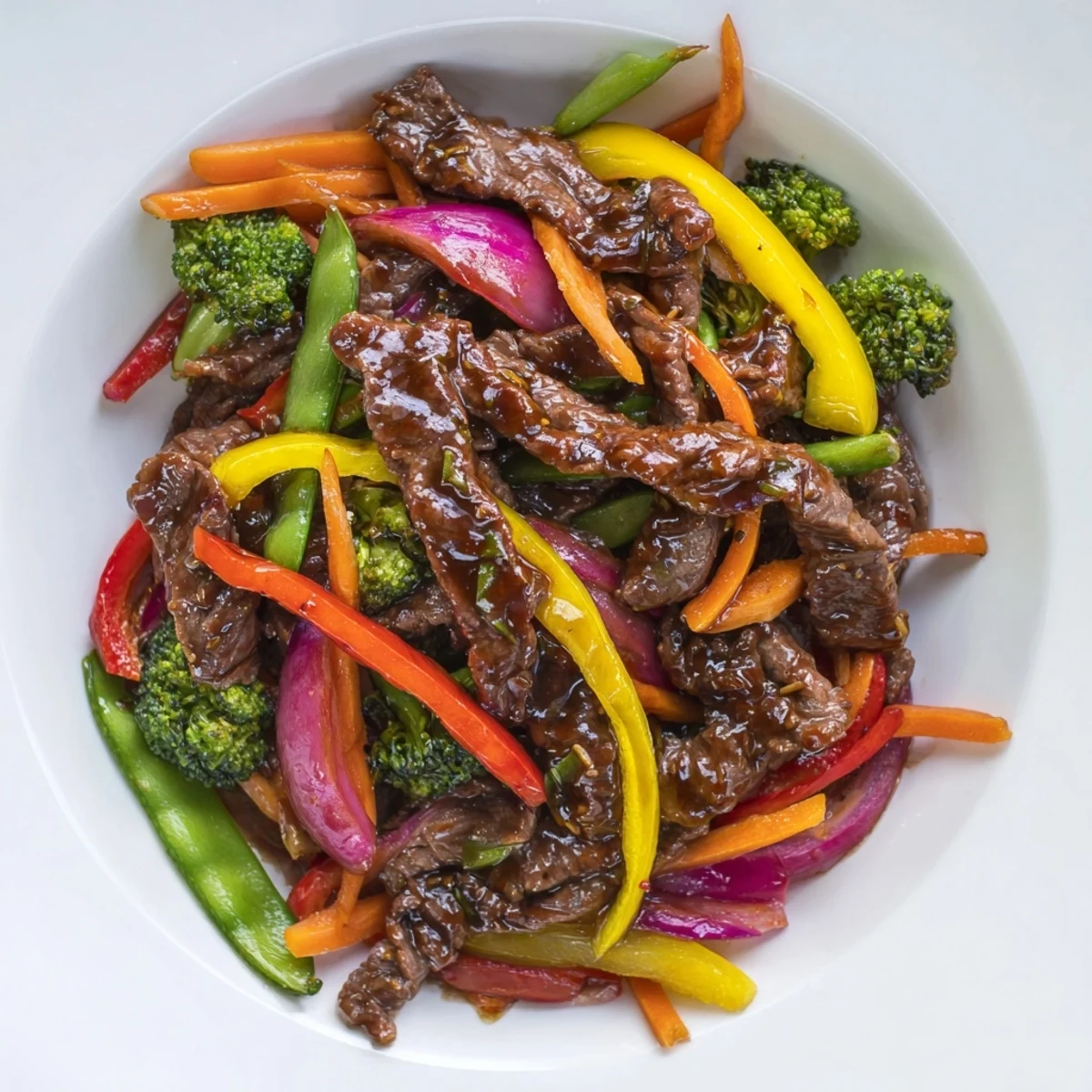
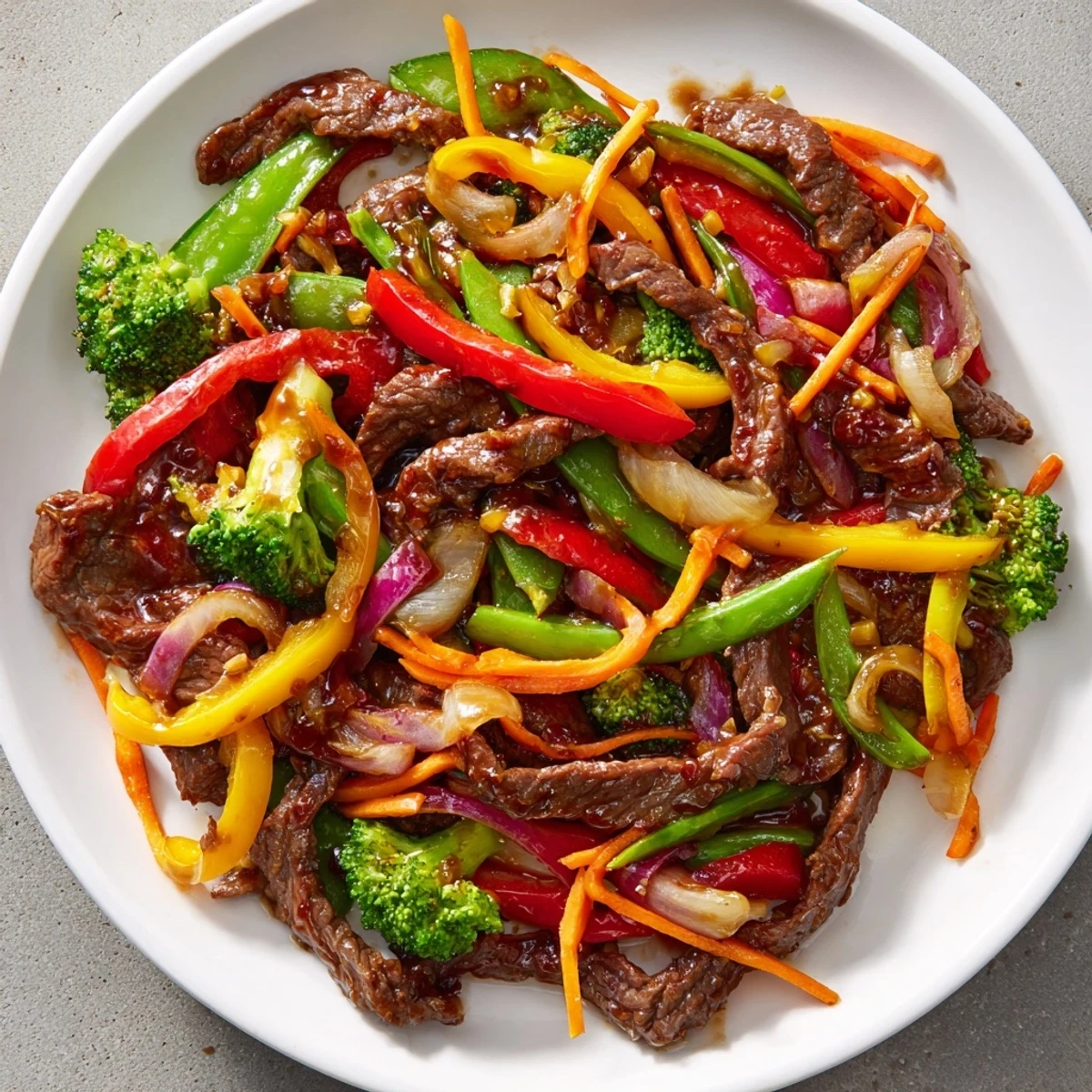
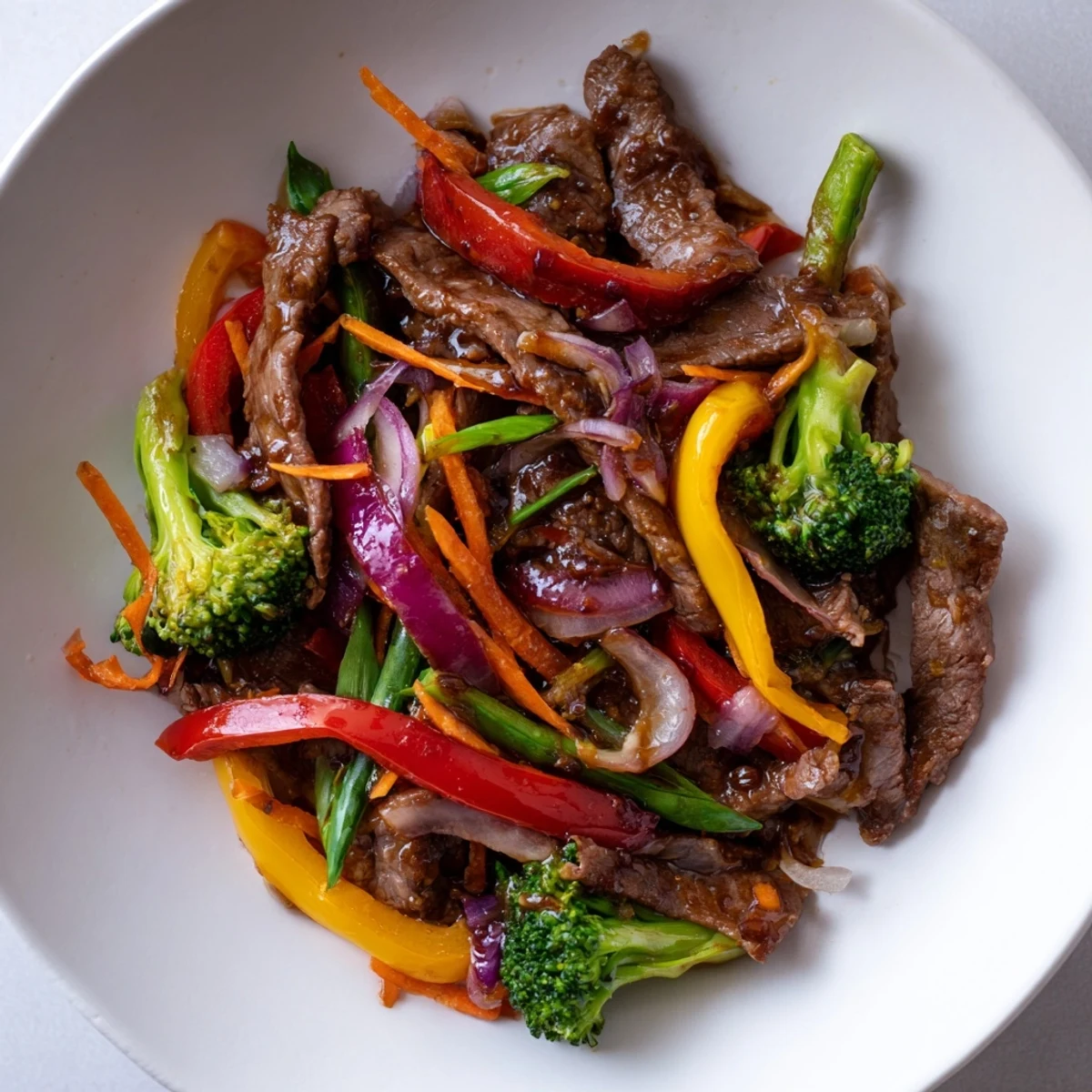
 This vibrant stir fry highlights tender slices of beef combined with a colorful mix of vegetables like bell peppers, broccoli, and snap peas. Infused with garlic, ginger, and a spicy chili garlic sauce, it delivers bold flavors with a satisfying bite. Quick to prepare and cook, it’s an ideal option for busy weeknights, offering a balanced, colorful dish that pairs well with steamed rice or noodles.
The first time I made this stir fry, I was trying to impress someone who had just told me they hated vegetables. I watched their fork pause mid-air, then disappear into a second helping while they mumbled something about broccoli not tasting like punishment anymore. That was three years ago, and I still think about the sound of that wok hissing on their tiny apartment stove.
I made this for my sister the week she moved into her first solo apartment, standing in her kitchen with boxes still taped shut in the hallway. She kept reaching across me to steal snap peas straight from the cutting board, and we ate standing up because she hadnt found her chairs yet. The empty rooms smelled like ginger and possibility for days.
Ingredients
- Beef sirloin or flank steak: Slice against the grain while the meat is still cold from the fridge, it holds its shape better and cooks more tender.
- Cornstarch: Creates that silky coating that helps the sauce cling rather than pool at the bottom of your bowl.
- Sesame oil: A little goes a long way in the marinade, adding depth that survives the high heat of the wok.
- Red and yellow bell peppers: I like the color contrast, but any sweet pepper works, just avoid green unless you want that slightly bitter edge.
- Fresh ginger: The pre-minced jars never deliver the same heat, grate it frozen if you want it to melt into the oil faster.
- Chili garlic sauce: Start with less than you think, you can always add more at the table but you cannot subtract.
- Oyster sauce: This is your umami anchor, vegetarian versions exist and work beautifully if you are avoiding shellfish.
Instructions
- Marinate the beef:
- Toss the sliced beef with cornstarch, soy sauce, and sesame oil until every strip is coated in a thin paste. Let it sit while you prep the vegetables, the cornstarch needs time to hydrate and create that velvety texture.
- Mix your sauce:
- Whisk all sauce ingredients in a small bowl until the sugar dissolves completely. Taste it now, it should be salty-sweet with a slow warmth at the back of your throat.
- Sear the beef:
- Heat your wok until it barely smokes, then add half the oil. Lay the beef in a single layer and resist the urge to stir immediately, let it brown for thirty seconds before tossing.
- Build your aromatics:
- Remove the beef and add the remaining oil, then drop in garlic, ginger, and onion. The ginger will sizzle aggressively and smell like every good takeout memory you have ever had.
- Quick cook the vegetables:
- Add the harder vegetables first, peppers and carrots need a head start before the snap peas and broccoli join. You want crisp-tender, not soft, so keep everything moving.
- Bring it together:
- Return the beef to the wok, pour the sauce down the sides so it hits the hot metal first and thickens instantly. Toss until everything glistens and the beef is just cooked through.
 Pin it
 This became my comfort meal during a winter when I was too broke for restaurants and too proud to admit it to anyone. I would make it on Sunday nights and eat it cold from the fridge on Monday mornings, standing in my kitchen in socks, feeling strangely capable.
The Right Pan Makes a Difference
A carbon steel wok will give you the best results, but a heavy stainless skillet works if you are patient and let it get genuinely hot. I cooked this in a nonstick pan for two years before upgrading, and the only real casualty was my ego when I finally saw what proper heat could do.
Reading Your Vegetables
Each vegetable tells you when it is ready. Broccoli florets turn bright green and slightly translucent at the edges, carrots soften just enough to yield to a fingernail, and snap peas should still squeak slightly when you bite. Trust these signals more than the timer.
Building Your Rice Game
Leftover cold rice actually works better than fresh for serving alongside, the grains stay separate and soak up sauce without turning mushy. If you are making fresh rice, spread it on a plate to cool slightly while you cook.
- Rinse jasmine rice until the water runs clear for the fluffiest result.
- A rice cooker is worth the counter space if you make stir fry more than twice a month.
- Day old rice from the fridge fries beautifully if you want to stretch leftovers into fried rice tomorrow.
 Pin it
 However you serve this, eat it while it is still too hot, with your favorite show queued up and no plans to leave the couch afterward. Some meals are meant to be slow and ceremonial, but this one is for the nights when you need to feel fed and capable in under forty minutes.
Recipe FAQs
- → What cut of beef works best for stir frying?
-
Thinly sliced sirloin or flank steak is ideal for quick cooking and tender results in stir frying.
- → How can I adjust the spiciness level?
-
Modify the amount of chili garlic sauce or add sliced fresh chili to suit your preferred heat level.
- → Can this dish be made gluten-free?
-
Use gluten-free soy and oyster sauce alternatives to keep the flavors intact while avoiding gluten.
- → What vegetables work well in this stir fry?
-
Bell peppers, broccoli florets, snap peas, carrots, and onions offer a crisp texture and vibrant color.
- → What’s the best cooking oil for stir frying?
-
Vegetable oil or other oils with a high smoke point work well for achieving a quick, even cook.