
 Pin it
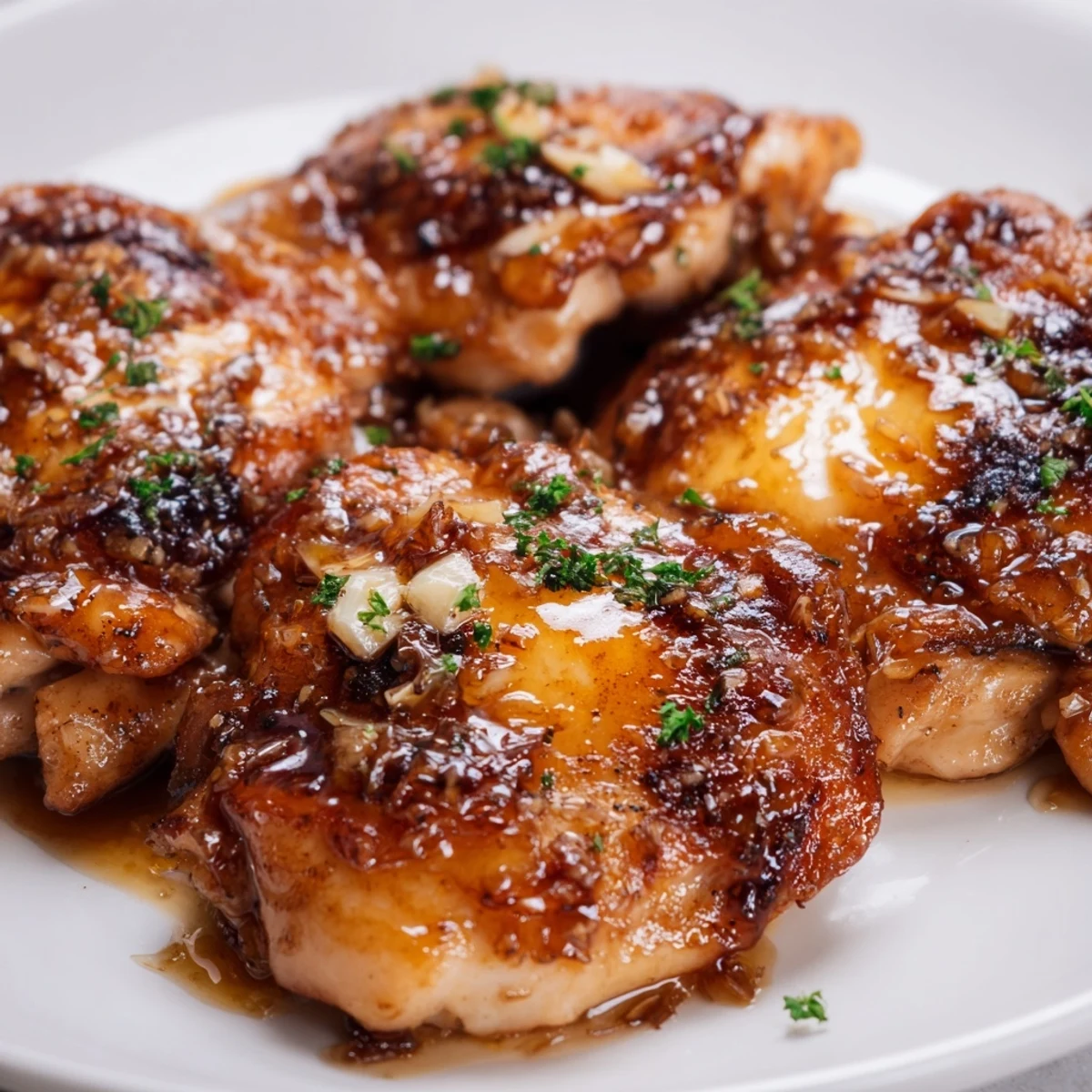
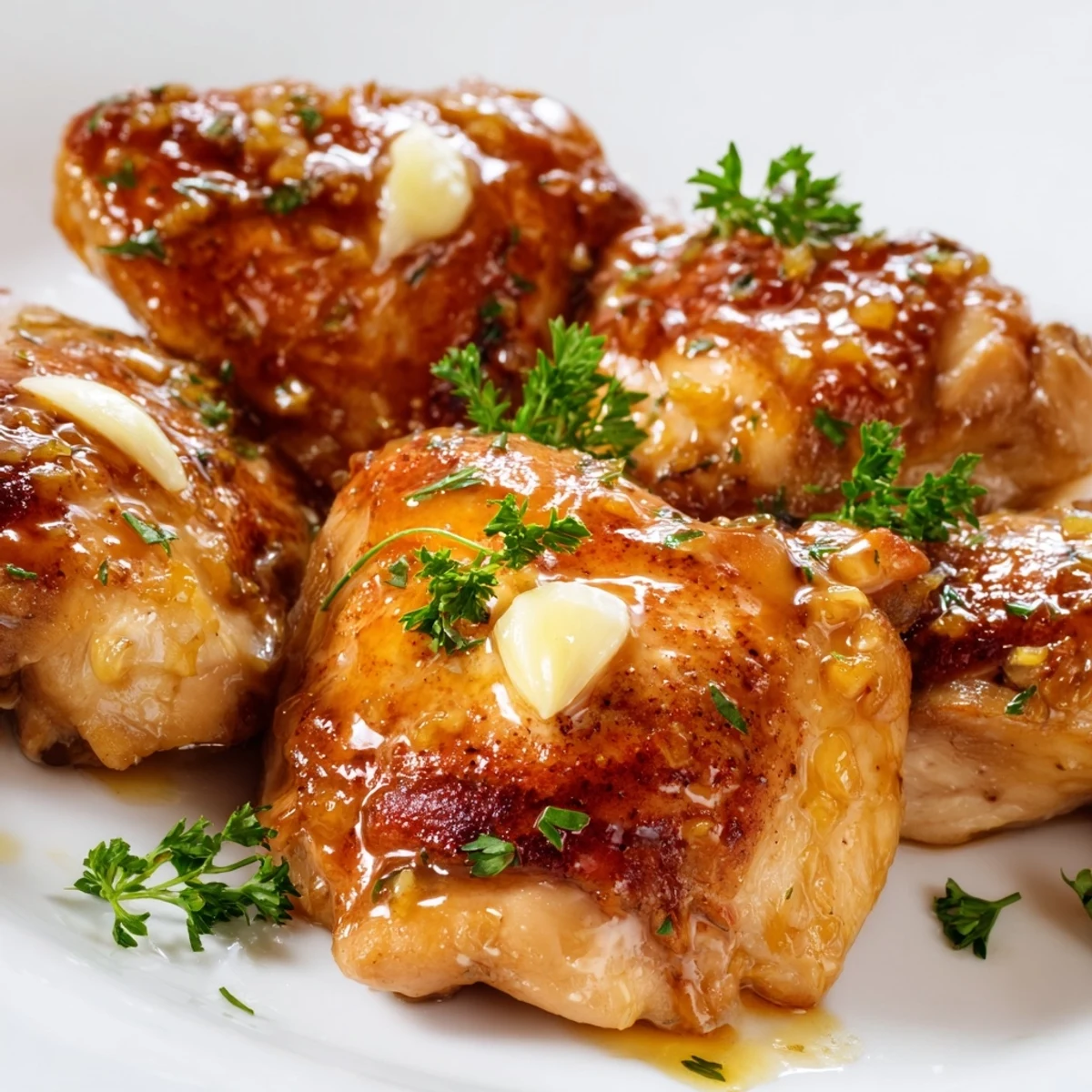
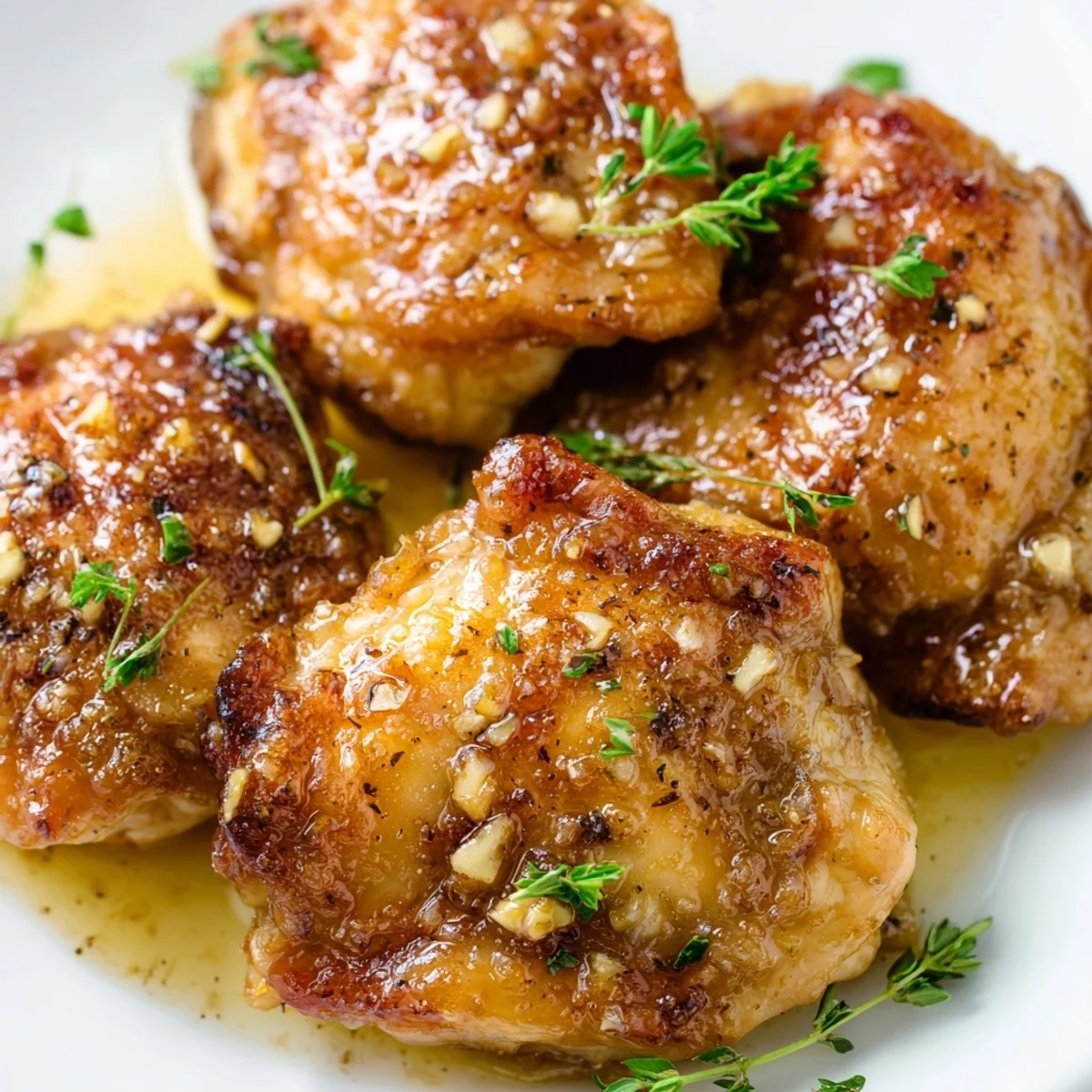
 Tender chicken thighs get coated in a luscious, sticky glaze made from fresh apple cider, honey, and Dijon mustard. The sauce reduces down into a glossy finish that clings beautifully to the seared meat, while hints of cinnamon and thyme add warmth and depth.
This skillet dish comes together in just 50 minutes, most of which is hands-off simmering time. The apple cider creates a natural sweetness that balances perfectly with tangy mustard and savory garlic, resulting in finger-licking good chicken that's ideal for cool autumn evenings.
The first time I made this sticky apple cider chicken, my kitchen smelled like an orchard in late September. I had picked up fresh apple cider from a roadside stand that morning, and something about the combination of that sweet cider with savory chicken just clicked. My husband kept wandering into the kitchen, asking if it was done yet, because the aroma was absolutely intoxicating.
Last autumn, I served this at a small dinner party when my friend Sarah announced she was moving away. We sat around my tiny table, passing plates and talking about old times, and somehow this chicken became part of the memory. The way the sticky sauce clung to the chicken thighs made everyone go quiet for a second after that first bite.
Ingredients
- 8 boneless skinless chicken thighs: thighs stay juicier than breasts and really hold up well to the long simmering time
- 1 tsp salt: season generously before searing because this is your main chance to flavor the meat itself
- 1/2 tsp black pepper: freshly cracked pepper adds a nice subtle heat that balances the sweet glaze
- 1 tbsp olive oil: use a neutral oil with a decent smoke point since you will be searing over medium high heat
- 1 cup apple cider: make sure this is actual apple cider not vinegar and look for unfiltered if you can find it
- 2 tbsp apple cider vinegar: this cuts through all the sweetness and adds that necessary tangy brightness
- 2 tbsp Dijon mustard: the emulsifiers in mustard help create that silky glossy texture in the finished sauce
- 2 tbsp honey: honey contributes to that beautiful sticky glaze and adds floral notes you do not get from sugar alone
- 2 tbsp brown sugar: brown sugar gives the sauce deeper caramel undertones and a richer color
- 2 cloves garlic minced: do not skip this fresh garlic even though you have other bold flavors happening
- 1/2 tsp dried thyme: thyme pairs so naturally with apples and adds an earthy herbal quality
- 1/4 tsp ground cinnamon: just a whisper of cinnamon makes the whole dish feel more complex and warming
- 1 tbsp unsalted butter: finishing with butter is what makes the sauce look glossy and taste luxurious
- 1 tbsp fresh parsley chopped optional: a little pop of green never hurts and fresh parsley brightens everything
Instructions
- Season and prep the chicken:
- Pat the chicken thighs completely dry with paper towels because any surface moisture will interfere with getting that gorgeous golden sear. Season both sides generously with the salt and pepper, pressing it into the meat so it does not just fall off in the pan.
- Sear the chicken to build flavor:
- Heat the olive oil in a large skillet over medium high heat until it shimmers and ripples slightly. Add the chicken thighs in a single layer without crowding the pan and sear for 3 to 4 minutes per side until deeply golden brown. Remove the chicken to a plate and set aside but do not wipe out the pan.
- Bloom the garlic:
- In the same hot skillet add the minced garlic and sauté for just 30 seconds until fragrant and sizzling. Watch carefully because garlic can go from perfect to burnt in seconds and burnt garlic will make the whole sauce taste bitter.
- Build the sauce base:
- Pour in the apple cider, apple cider vinegar, Dijon mustard, honey, brown sugar, thyme and cinnamon. Stir everything together to dissolve the sugar and honey then bring the mixture to a gentle simmer. The smell at this point is absolutely incredible.
- Simmer the chicken:
- Return the chicken thighs back to the skillet along with any accumulated juices on the plate. Reduce the heat to medium low, cover the skillet and cook for 15 minutes. Turn the chicken halfway through so both sides spend time in that developing sauce.
- Reduce and glaze:
- Uncover the skillet and increase the heat to medium high. Cook for another 7 to 10 minutes, spooning the sauce over the chicken every couple of minutes. The sauce should reduce down until it is thick, sticky and coats the back of a spoon.
- Finish with butter:
- Remove the skillet from the heat and stir in the butter until it melts completely. This is the secret to that restaurant quality glossy sheen that makes the dish look absolutely stunning when you serve it.
- Garnish and serve:
- Transfer the chicken to a serving platter and spoon any remaining sauce over the top. Sprinkle with fresh chopped parsley if you are using it then serve immediately while that sticky glaze is still warm and irresistible.
 Pin it
 This recipe has become my go to when I want something that feels special but does not require hours of effort. There is something about the way the apple cider transforms in the pan that feels almost magical, like watching autumn turn into dinner right there in my skillet.
Making It Your Own
I have learned that the apple cider reduction technique works beautifully with other proteins too. Pork chops are incredible done this way, and I have even experimented with salmon when I want something lighter. The key is adjusting the simmering time based on the thickness of whatever protein you choose.
Side Dish Magic
Mashed potatoes are the obvious choice here because they soak up that incredible sauce like nobody's business. But I have also served this with roasted sweet potatoes which lean into the fall theme, or simple steamed green beans when I need something fresh to balance the sweetness of the glaze.
Making Ahead
The sauce actually develops even more depth if you make it a day ahead and reheat it gently. Store the cooked chicken and sauce separately in the refrigerator, then warm everything together in a skillet over low heat. Add a splash of cider if the sauce has thickened too much overnight.
- The sauce can be made up to 2 days in advance and stored in an airtight container
- Leftovers reheat beautifully in the microwave though the skin will lose its crispness
- This recipe freezes well for up to 3 months if you want to get ahead on meal prep
 Pin it
 There is nothing quite like watching your family's faces light up when they taste that first sticky, sweet, savory bite.
Recipe FAQs
- → Can I use apple cider vinegar instead of apple cider?
-
No, apple cider and apple cider vinegar are different. Apple cider is the unfiltered juice, while vinegar is fermented and much more acidic. This dish calls for both in specific amounts to balance sweet and tangy flavors properly.
- → What sides pair well with this glazed chicken?
-
Mashed potatoes are excellent for soaking up the extra sauce. Roasted vegetables like Brussels sprouts, carrots, or parsnips complement the fall flavors. Rice or crusty bread also works well to capture every drop of the sticky glaze.
- → Can I make this with chicken breasts instead?
-
Yes, boneless chicken breasts work well. Reduce the cooking time to 10-12 minutes covered, then 5-7 minutes uncovered while spooning sauce over them. Be careful not to overcook as breasts dry out faster than thighs.
- → How do I know when the sauce is reduced enough?
-
The sauce is ready when it coats the back of a spoon and leaves a clear trail when you run your finger through it. It should look glossy and syrupy, thick enough to cling to the chicken without being watery.
- → Can I make this ahead of time?
-
The flavor actually improves overnight. Reheat gently in a skillet over low heat, adding a splash of water or cider if the sauce has thickened too much. Store in an airtight container for up to 3 days.
- → What if I can't find apple cider?
-
Fresh unfiltered apple juice works as a substitute, though you may want to add an extra teaspoon of brown sugar to compensate for the slightly less intense flavor. Avoid clear filtered apple juice as it lacks the depth needed.