
 Pin it
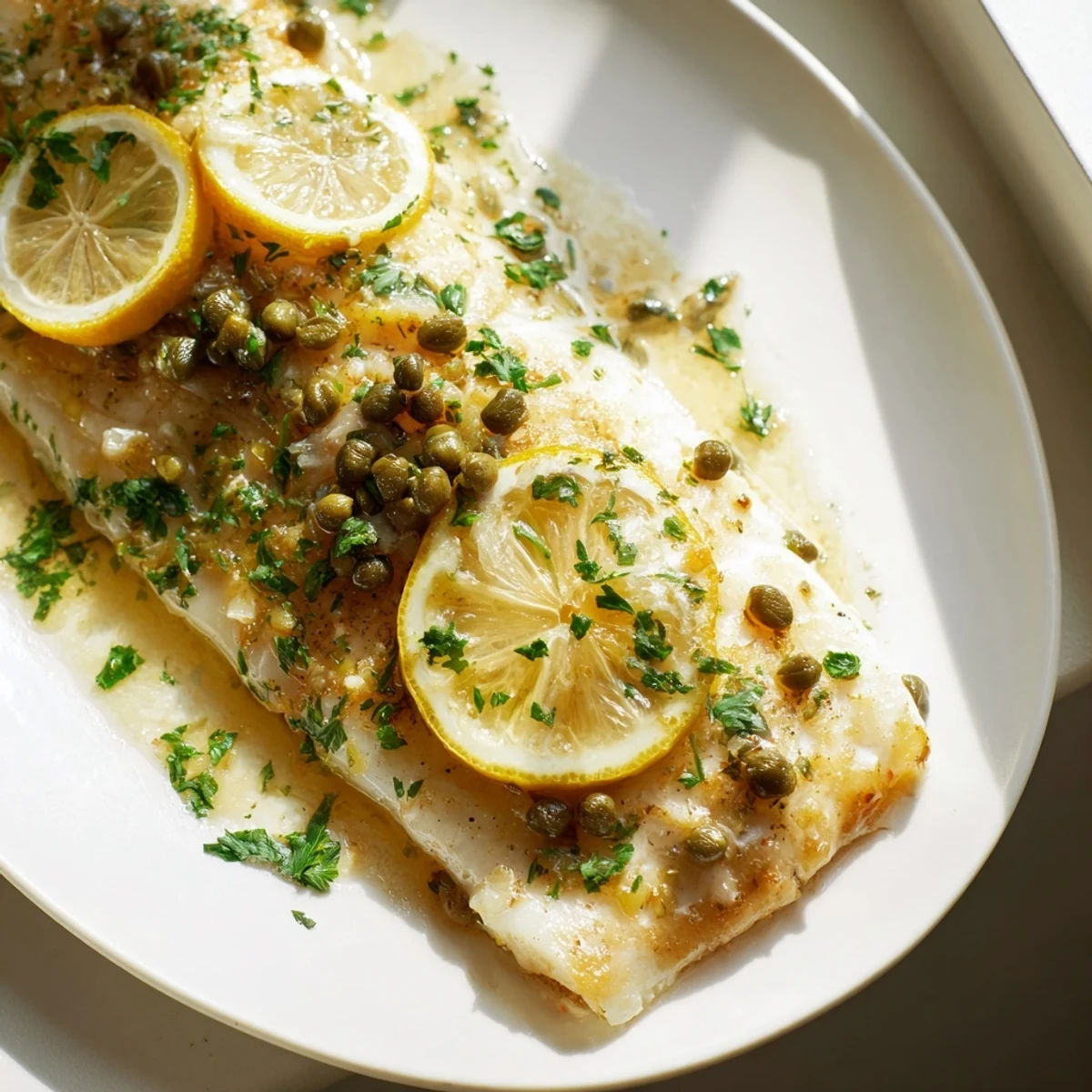
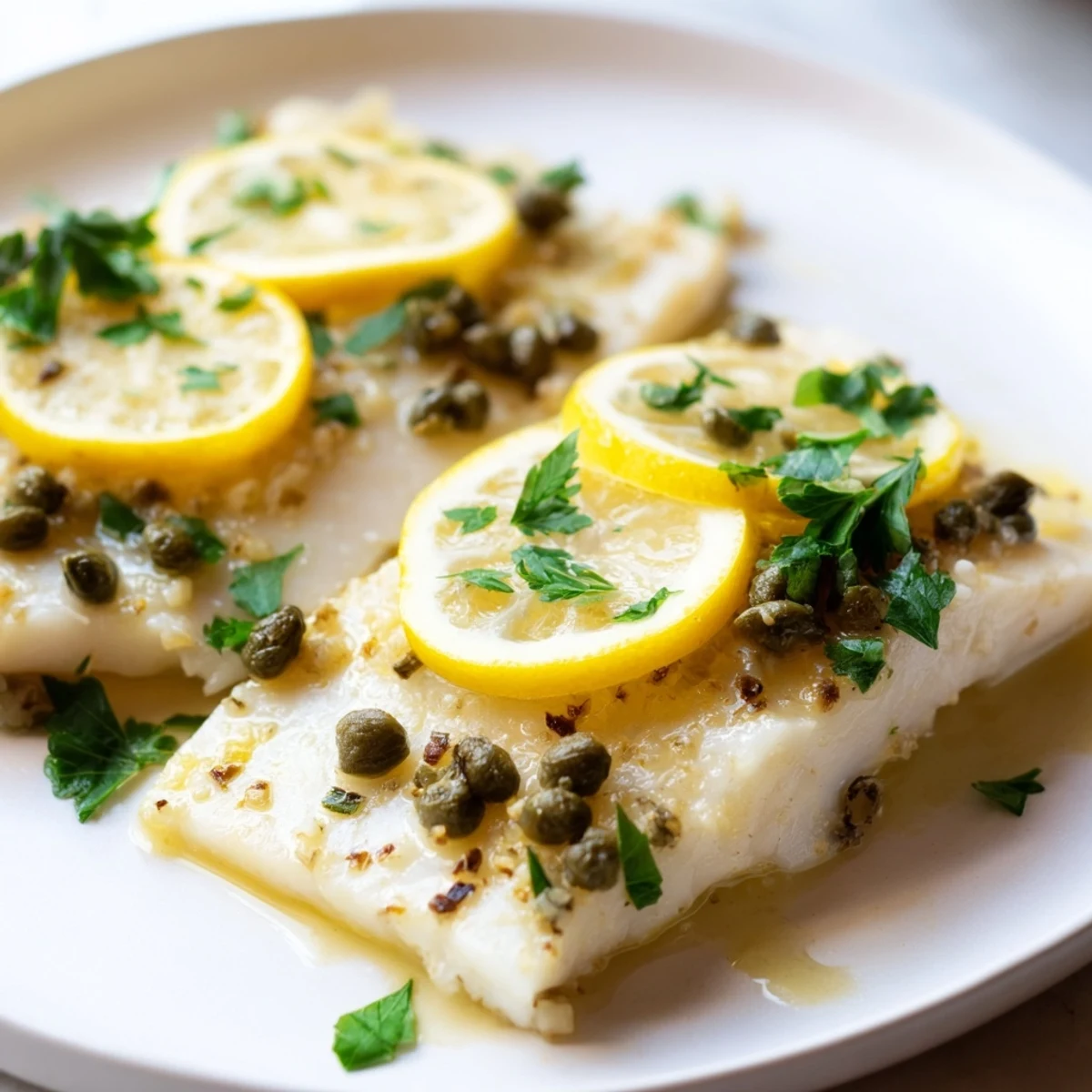
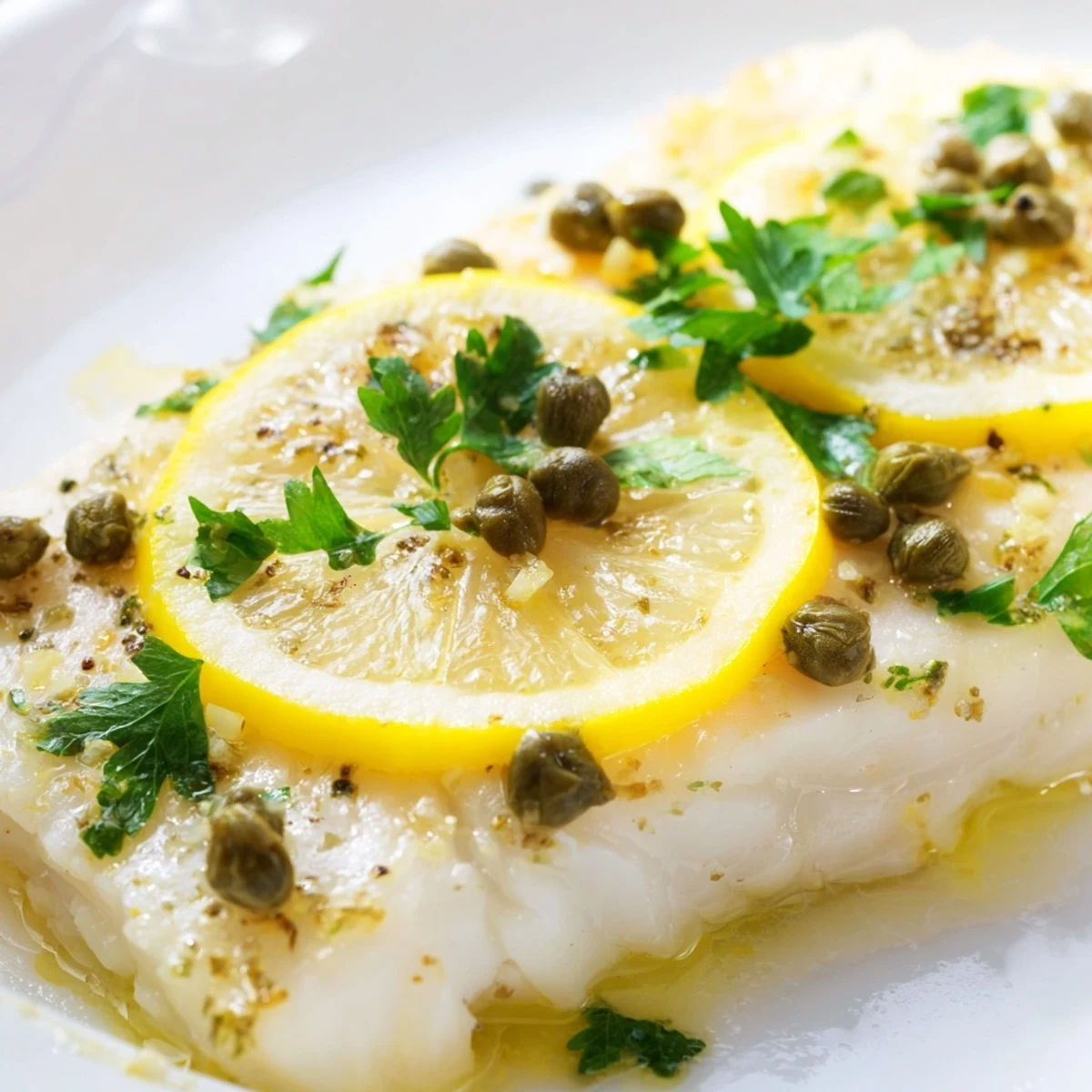
 This Mediterranean-inspired baked halibut features delicate white fish fillets seasoned with sea salt and pepper, then baked with fresh lemon juice, briny capers, garlic, and aromatic herbs. The dish comes together in just 28 minutes, making it perfect for weeknight dinners or elegant entertaining. Fresh lemon slices and a touch of butter create a bright, flavorful sauce while the halibut stays moist and tender. Serve alongside steamed asparagus, rice pilaf, or roasted potatoes for a complete meal.
The first time I made baked halibut was during a summer rental at a coastal Maine cottage. I'd found the most beautiful fillets at the local fish market, their pearly flesh practically luminous under the glass counter. The fishmonger, with salt-weathered hands, explained how the simplest preparations let premium fish shine, and I've been making this lemon-caper version ever since.
Last April, I served this halibut for a small dinner with friends who were convinced I'd spent hours in the kitchen. We opened the windows to let in the spring air, poured glasses of crisp Pinot Grigio, and everyone went silent with that first perfect bite. The lemon slices had caramelized slightly at the edges, creating this gorgeous aroma that filled the whole dining room.
Ingredients
- Halibut fillets: Look for fillets that smell fresh like the ocean and have firm, translucent flesh that springs back when touched.
- Capers: These little flavor bombs add complexity without any extra work, just be sure to rinse them first to control the saltiness.
- Fresh parsley: I learned to add this at the very end for a burst of color and brightness that transforms the whole dish.
- Lemon: Using both the juice and slices gives you acidic tang in the sauce plus aromatic oils from the peel as it bakes.
Instructions
- Prep your canvas:
- Preheat your oven to 200°C and lightly grease a baking dish that comfortably fits all fillets without crowding them. This ensures even cooking and allows the flavors to mingle properly.
- Ready the fish:
- Pat those beautiful fillets completely dry with paper towels, which helps them brown rather than steam. Season both sides generously with sea salt and freshly cracked pepper.
- Layer the flavors:
- Arrange the fillets in your dish, then drizzle with olive oil and fresh lemon juice. Watch how the acid slightly changes the fish's appearance almost immediately.
- Add the supporting cast:
- Scatter minced garlic and capers over everything like confetti, then artfully arrange those thin lemon slices on and around the fish. If using butter, dot those little pieces across the top where they'll melt into delicious pools.
- Bake to perfection:
- Slide the dish into your preheated oven for 15-18 minutes. Youll know its done when the fish turns from translucent to opaque white and flakes easily when gently pressed with a fork.
- Finish with freshness:
- Sprinkle the chopped parsley over everything just before serving, watching it brighten both the flavor and appearance. The heat from the fish will release the herbs aromatic oils.
 Pin it
 My husband, who historically approached seafood with suspicion, became an instant convert after trying this halibut. We were sitting on our patio as the evening cooled, and I noticed him sopping up every last bit of the lemony, caper-flecked sauce with a piece of crusty bread. He looked up and said, This is how fish is supposed to taste, and in that moment, I felt like Id won some kind of culinary trophy.
Perfect Pairings
Ive found that roasted asparagus spears make an ideal companion to this dish, especially when theyre in season during spring. Something about the grassiness of asparagus complements the clean flavors of the halibut, and they can cook in the oven alongside the fish during the last 10 minutes of baking time.
Making Substitutions Work
When halibut prices soared last summer, I pivoted to using cod instead and was delighted to find it worked beautifully with this preparation. The flavor profile is slightly different more delicate and less sweet but the cooking method remains identical, though cooking time might decrease by a couple minutes for thinner fillets.
Final Touches Worth Noting
The pan juices that collect during baking are liquid gold, intensely flavored with lemon, fish essence, and the brine from the capers. I always serve this dish with a large spoon specifically for drizzling these juices over each portion at the table.
- For a more dramatic presentation, use preserved lemon slices instead of fresh for a deeper citrus flavor.
- Adding a handful of cherry tomatoes to the baking dish creates little bursts of sweetness that complement the briny capers.
- If you have access to fresh herbs beyond parsley, a mix of dill, chives, and parsley makes a beautiful finishing touch.
 Pin it
 This baked halibut has taught me that sometimes the most elegant dishes are also the most straightforward. In giving premium ingredients space to shine, we create food that nourishes both body and spirit.
Recipe FAQs
- → How do I know when the halibut is done baking?
-
The halibut is ready when it's opaque throughout and flakes easily with a fork. This typically takes 15-18 minutes at 200°C (400°F). Avoid overcooking, as the delicate flesh can become dry.
- → Can I substitute halibut with another fish?
-
Yes, this preparation works beautifully with other firm white fish like cod, haddock, or sea bass. Adjust cooking time slightly based on fillet thickness—thinner fillets may cook faster.
- → Is this dish gluten-free?
-
Yes, this dish is naturally gluten-free. However, always check your capers for any processing-related additives if you have gluten sensitivity concerns.
- → Can I prepare this ahead of time?
-
You can prep ingredients in advance—juice the lemons, mince the garlic, and chop the parsley. Assemble the dish just before baking for the best flavor and texture of the fresh lemon and herbs.
- → What wines pair well with this dish?
-
Crisp white wines like Sauvignon Blanc, Pinot Grigio, or Albariño complement the bright citrus and briny capers beautifully. You can also add a splash of dry white wine to the baking dish for extra depth.
- → Is the butter really optional?
-
Yes, the butter adds richness and helps create a light sauce, but it's optional. The olive oil and lemon juice provide enough moisture and flavor. Omit it for a lighter preparation.