
 Pin it
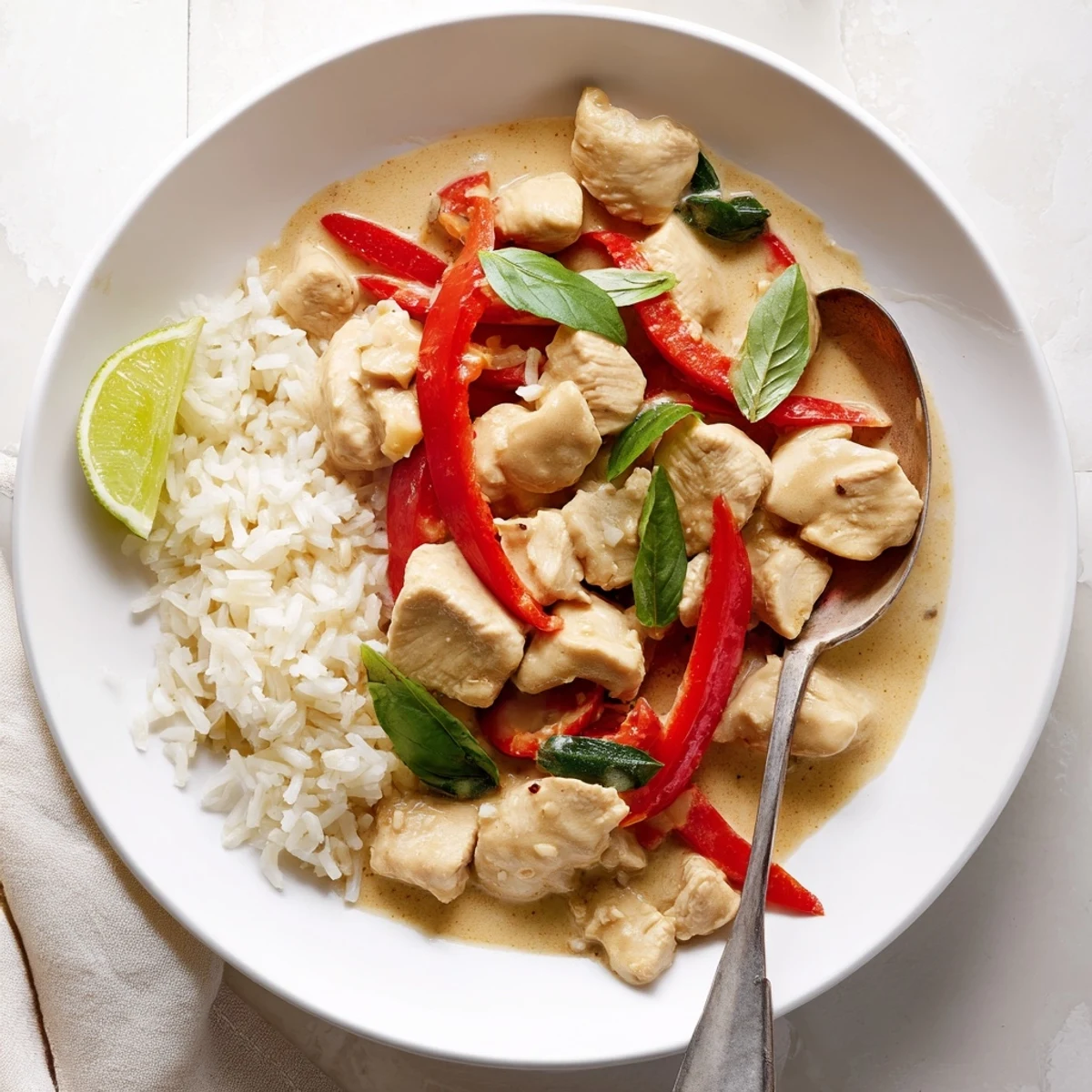
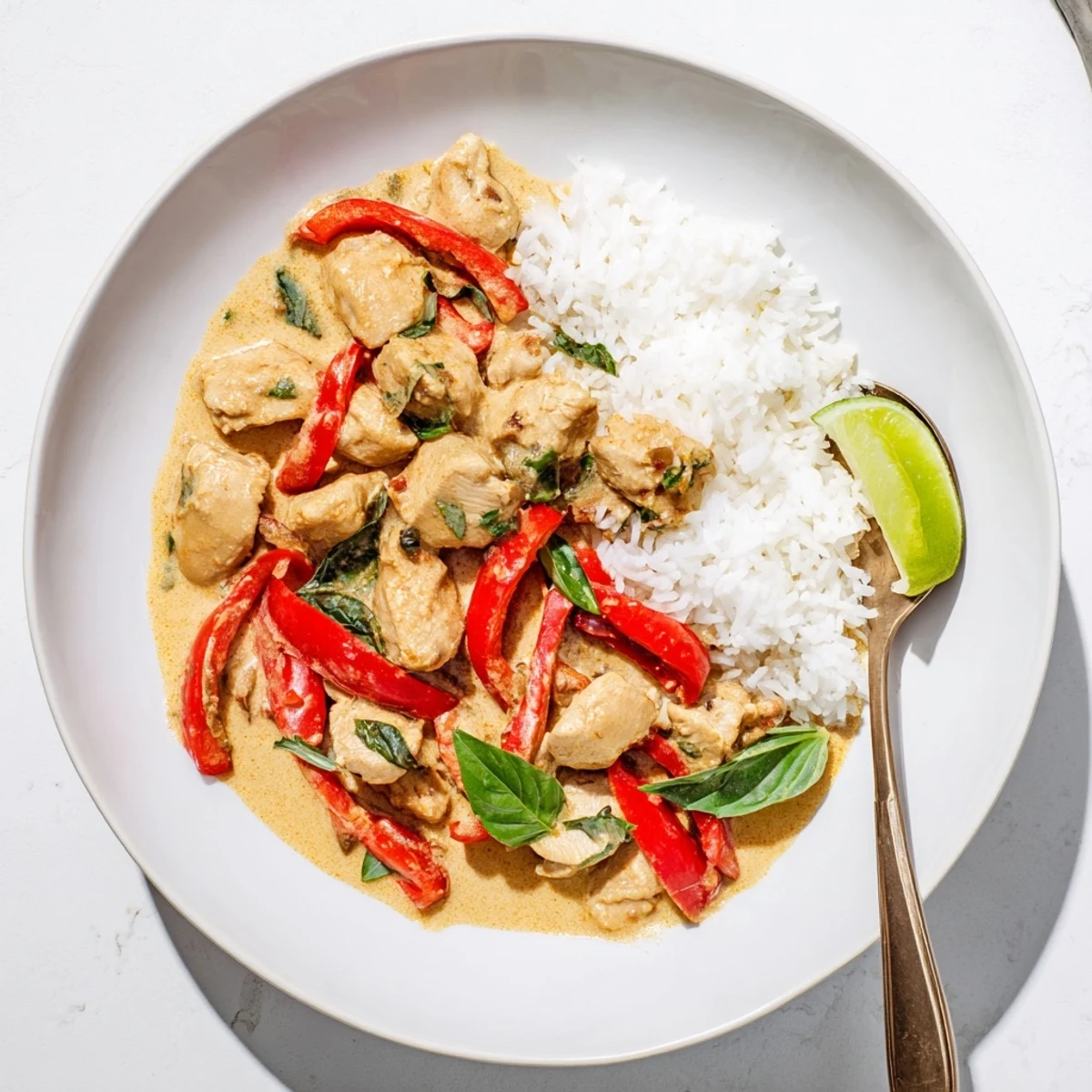
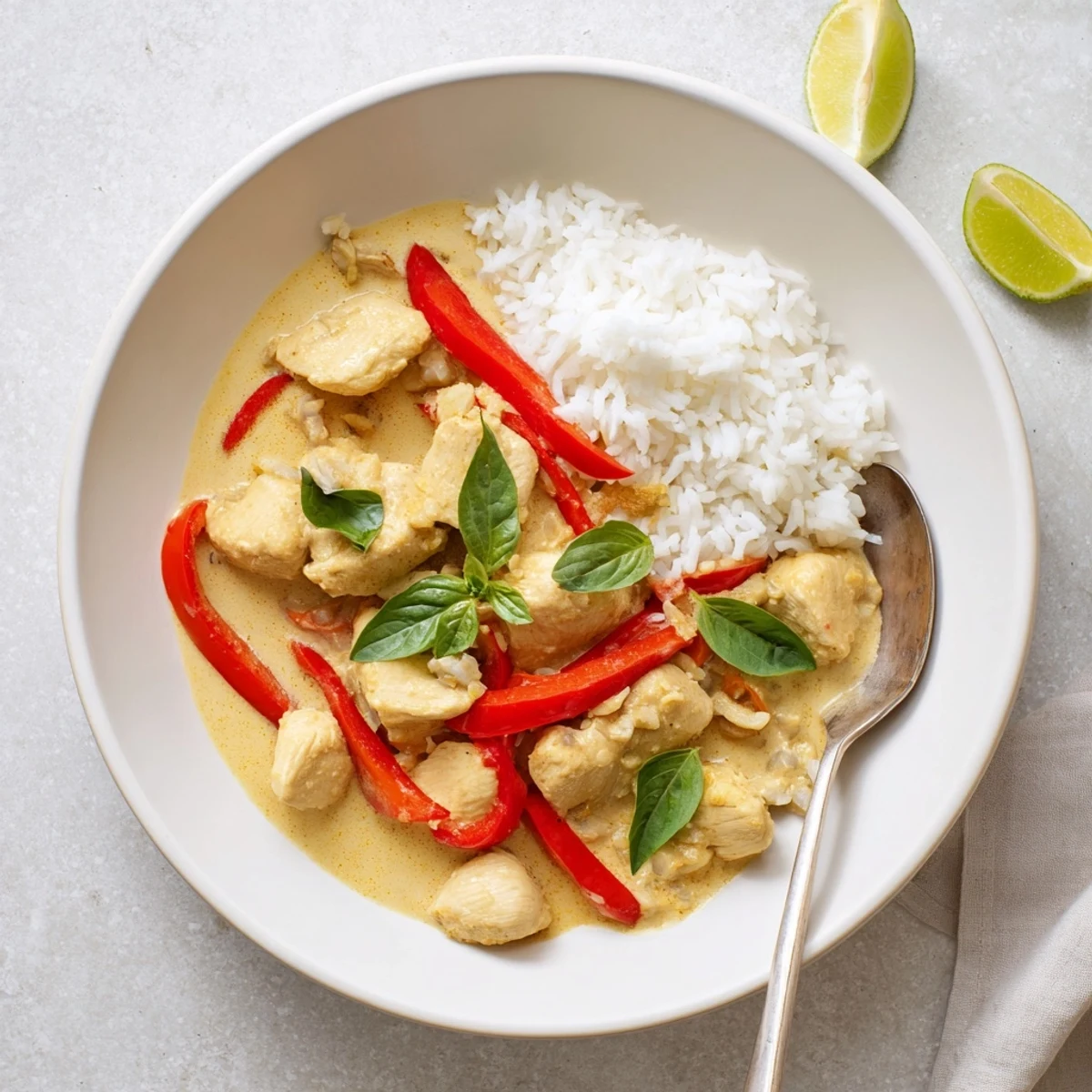
 This Thai-inspired curry features tender chicken breast pieces browned to perfection, then simmered in a rich coconut milk sauce infused with red curry paste, garlic, ginger, and fresh basil. The aromatic blend of spices creates a fragrant, restaurant-worthy dish that comes together in just 40 minutes. Perfect served over fluffy jasmine rice with a squeeze of fresh lime, this dairy-free and gluten-free curry delivers bold, complex flavors while remaining simple enough for weeknight cooking.
The first time I made this coconut curry, I was starving after a long day and too impatient to follow a proper recipe. I threw everything into my skillet with whatever was in the fridge, expecting a mediocre dinner. Instead, my entire apartment filled with this intoxicating aroma that made me forget I was tired. My roommate wandered in with an empty bowl, and we ended up fighting over the last spoonful of sauce.
Last summer, my sister came over to help me prep for a dinner party. We made a triple batch of this curry, drinking cheap wine and tearing basil leaves while the kitchen got steamy and wonderful. Our guests kept asking for the recipe, but honestly, I think the secret was just how relaxed and happy we felt while cooking it.
Ingredients
- 1.5 lbs chicken breasts: Cutting the meat into bite sized pieces helps it cook evenly and absorb more of that incredible sauce
- 2 tbsp vegetable oil: You need enough fat to properly brown the chicken and bloom the curry paste flavors
- 1 medium onion: Finely chopped so it disappears into the sauce while adding a sweet savory foundation
- 3 cloves garlic: Freshly minced is crucial here, jarred garlic loses its punch in coconut milk
- 1 tbsp fresh ginger: Grated on the small holes of your box grater for maximum flavor release
- 2 tbsp Thai red curry paste: This is the flavor engine of the whole dish, do not use less
- 14 oz coconut milk: Full fat makes all the difference between restaurant quality and diet food disappointment
- 1 tbsp fish sauce: Adds that deep umami note that makes people ask what your secret ingredient is
- 1 tbsp brown sugar: Balances the heat and creates that glossy restaurant style finish
- 1 tbsp soy sauce: Use tamari if you need it gluten free, but do not skip the salty depth
- 1 red bell pepper: Thinly sliced for pops of sweetness and crunch against the tender chicken
- 1 cup fresh basil leaves: Tear them by hand right before adding, they perfume the whole dish when they hit the heat
Instructions
- Season and sear the chicken:
- Pat the chicken pieces dry and season them generously with salt and pepper. Heat your oil in a large skillet until it shimmers, then add chicken in batches. Let them develop a golden brown crust on one side before flipping, about 3 to 4 minutes total, then remove to a plate.
- Build your flavor base:
- In the same skillet, add the chopped onion and let it soften until translucent. Toss in the garlic and ginger, stirring constantly for about 1 minute until the raw smell cooks off and your kitchen starts smelling amazing.
- Wake up the curry paste:
- Add the red curry paste directly to the hot pan and stir it into the aromatics. Let it cook for a full minute, stirring constantly, until the paste darkens slightly and becomes fragrant.
- Create the sauce:
- Pour in the coconut milk, fish sauce, brown sugar, and soy sauce. Use your wooden spoon to scrape up any browned bits from the bottom of the pan. Let everything come to a gentle bubble.
- Simmer to perfection:
- Return the chicken to the pan along with the sliced red bell pepper. Reduce the heat to medium low, cover, and let it simmer for 10 to 12 minutes until the chicken is cooked through.
- Finish with basil:
- Remove the pan from the heat and scatter in the fresh basil leaves. Stir gently until they just start to wilt, then serve immediately over steamed jasmine rice with lime wedges on the side.
 Pin it
 My dad always claimed he did not like spicy food until I made this for him one Sunday. Now he requests it every time he visits, and I have learned to make triple batches because he goes back for thirds without apology. Watching someone discover they love something new might be my favorite part of cooking.
Making It Your Own
I have started adding whatever vegetables are languishing in my crisper drawer. Snow peas, baby corn, and even diced sweet potato work beautifully as long as you adjust the cooking time so nothing turns to mush. The sauce is forgiving and makes everything taste like it belongs there.
The Heat Factor
Some curry brands pack more heat than others, so taste your sauce before you add any extra chili. I learned this the hard way when I doubled down on spice with a particularly aggressive brand and spent the entire dinner drinking milk. Now I always start mild and adjust from there.
Leftover Magic
This curry actually tastes better the next day when the flavors have had time to get to know each other properly. I make a big batch on Sundays and eat it for lunch all week, the sauce getting richer and more complex with each reheating.
- Store the sauce and rice separately if you meal prep this
- Add a splash of water or coconut milk when reheating
- The basil is best added fresh to each portion rather than stored in the sauce
 Pin it
 There is something deeply satisfying about a dish that tastes like it came from a restaurant but requires only one pan and forty minutes of your time. This recipe has saved me on countless weeknights when takeout felt like the only option.
Recipe FAQs
- → Can I make this curry spicier?
-
Absolutely! Add a chopped fresh Thai chili or a pinch of red pepper flakes when you stir in the curry paste. You can also increase the amount of red curry paste to 1.5 tablespoons for more heat without overwhelming the dish.
- → What can I substitute for fish sauce?
-
For a vegetarian version, substitute fish sauce with soy sauce or a vegetarian fish sauce alternative. You can also use a mixture of soy sauce and a pinch of salt to achieve similar umami depth.
- → How do I store and reheat leftovers?
-
Store cooled curry in an airtight container in the refrigerator for up to 3 days. Reheat gently in a saucepan over medium-low heat, adding a splash of coconut milk or water if the sauce has thickened too much. Avoid boiling to prevent the sauce from separating.
- → Can I use chicken thighs instead of breasts?
-
Yes, boneless skinless chicken thighs work beautifully and add extra richness. They may need 2-3 minutes longer cooking time. Thighs also hold up well to reheating without drying out.
- → Is Thai basil different from regular basil?
-
Thai basil has a distinct anise-like flavor and holds up better to cooking. If unavailable, Italian basil works well too—just add it at the very end to preserve its fresh flavor and aroma.
- → Can I make this curry ahead of time?
-
The flavors actually improve after sitting! Make the curry up to 24 hours ahead, but wait to add the fresh basil until reheating. Store it in the refrigerator and reheat gently on the stovetop.