
 Pin it
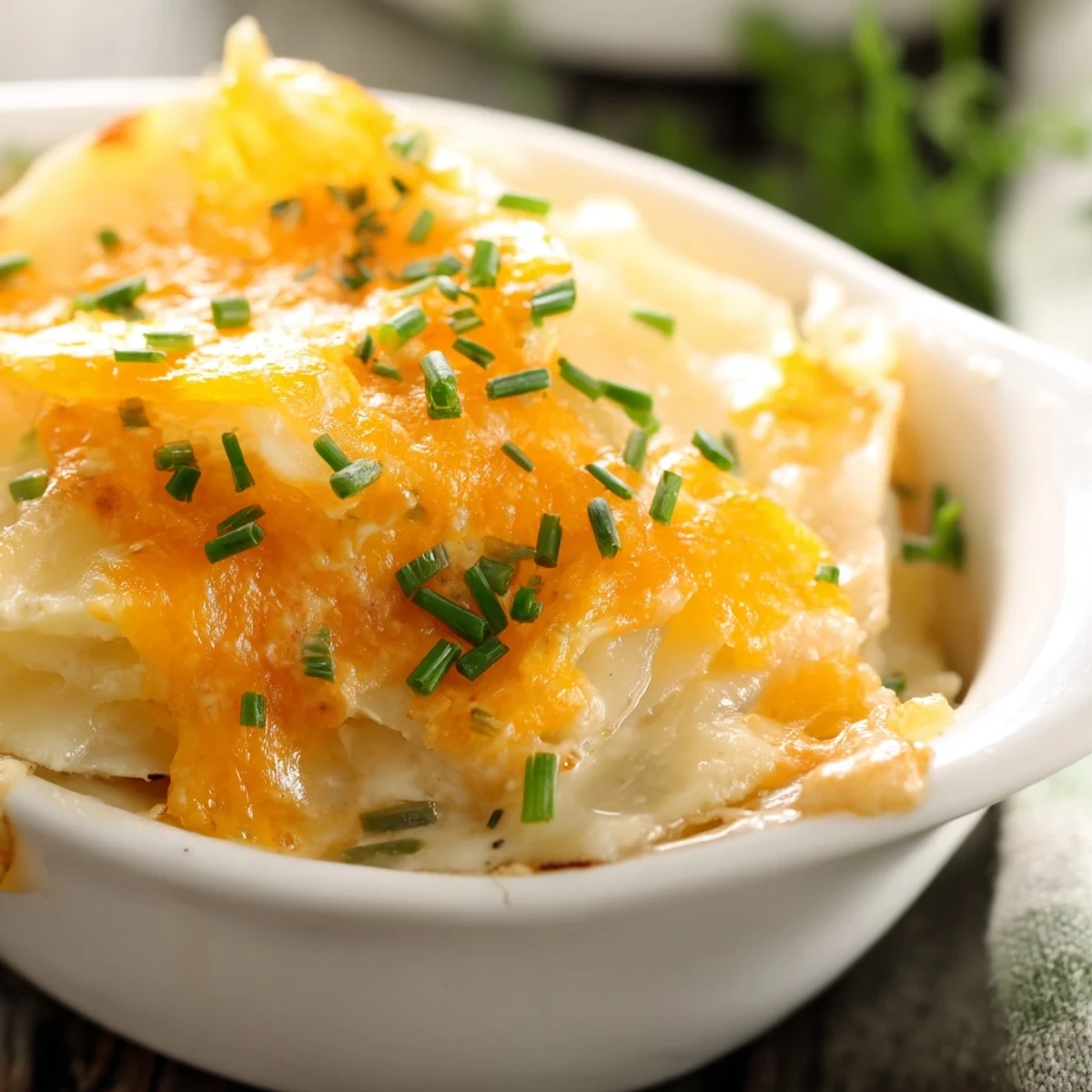
 This dish features thinly sliced russet potatoes layered and baked in a rich blend of heavy cream, milk, and sharp cheddar combined with Gruyère cheeses. Aromatic garlic and nutmeg add warmth while butter and optional onion offer depth. Baked until golden and bubbly, the potatoes turn tender and flavorful, perfect to serve warm garnished with fresh chives or parsley. It’s a comforting side dish ideal for gatherings or indulgent meals.
There's something about the smell of melting cheese and cream that instantly makes a kitchen feel like home. I learned to make scalloped potatoes on a cold November evening when my aunt showed up with just a bag of potatoes and the confidence that we could turn them into something special for dinner. She worked methodically, layering those thin slices like she was building something precious, and by the time it came out of the oven—golden, bubbling, irresistible—I understood why this dish has survived generations of family tables.
I made this for a dinner party once where someone brought homemade wine and another guest brought their new baby, and we all just sat around the table longer than expected, passing plates and talking about nothing important. That's when I realized scalloped potatoes aren't really about the potatoes at all—they're an excuse to slow down and be together.
Ingredients
- Russet potatoes (1.5 kg): The starch in russets breaks down just enough to thicken the sauce while the slices stay distinct and tender—waxy potatoes won't work the same way here.
- Heavy cream and whole milk: The combination gives you richness without overwhelming the potatoes; use full-fat versions only or the sauce won't set properly.
- Sharp cheddar (2 cups) and Gruyère (1 cup): Sharp cheddar brings tang and depth, while Gruyère adds a subtle nuttiness that makes people ask what's different about your version.
- Butter (2 tbsp): It builds the flavor base when you sauté the aromatics, so don't skip this step or rush it.
- Onion (1 medium, optional): I always include it because those sweet notes balanced against sharp cheese feel like they were meant for each other.
- Garlic (2 cloves): Mince it finely so it dissolves into the cream rather than sitting in chunky little pieces.
- Salt, pepper, and nutmeg: The nutmeg is the secret—just a quarter teaspoon gives the whole dish warmth without announcing itself.
- Fresh chives or parsley: A small shower of green at the end reminds everyone this came from a real kitchen.
Instructions
- Set your stage:
- Preheat the oven to 180°C (350°F) and butter a 23x33 cm baking dish generously—you want it nonstick and ready. Slice your potatoes thin and even; a mandoline makes this faster and more uniform, though a sharp knife works just fine if you take your time.
- Build the flavor base:
- Melt butter in a saucepan over medium heat, then add your chopped onion and let it soften for about three minutes until it's translucent and sweet-smelling. Add minced garlic and cook just until fragrant, maybe another minute—you're not browning anything here, just coaxing out flavor.
- Make the cream sauce:
- Pour in the heavy cream and whole milk, then season with salt, pepper, and nutmeg. Heat gently until it's steaming but not boiling; boiling will cause the cream to break and separate, which nobody wants. Remove from heat and taste it—this is your moment to adjust seasoning before it hits the potatoes.
- Layer with intention:
- Arrange half your potato slices in the baking dish, overlapping them slightly so they nestle together. Pour half the cream mixture over the potatoes, then scatter half of both cheeses across the top—this first layer is where the flavor happens.
- Complete the build:
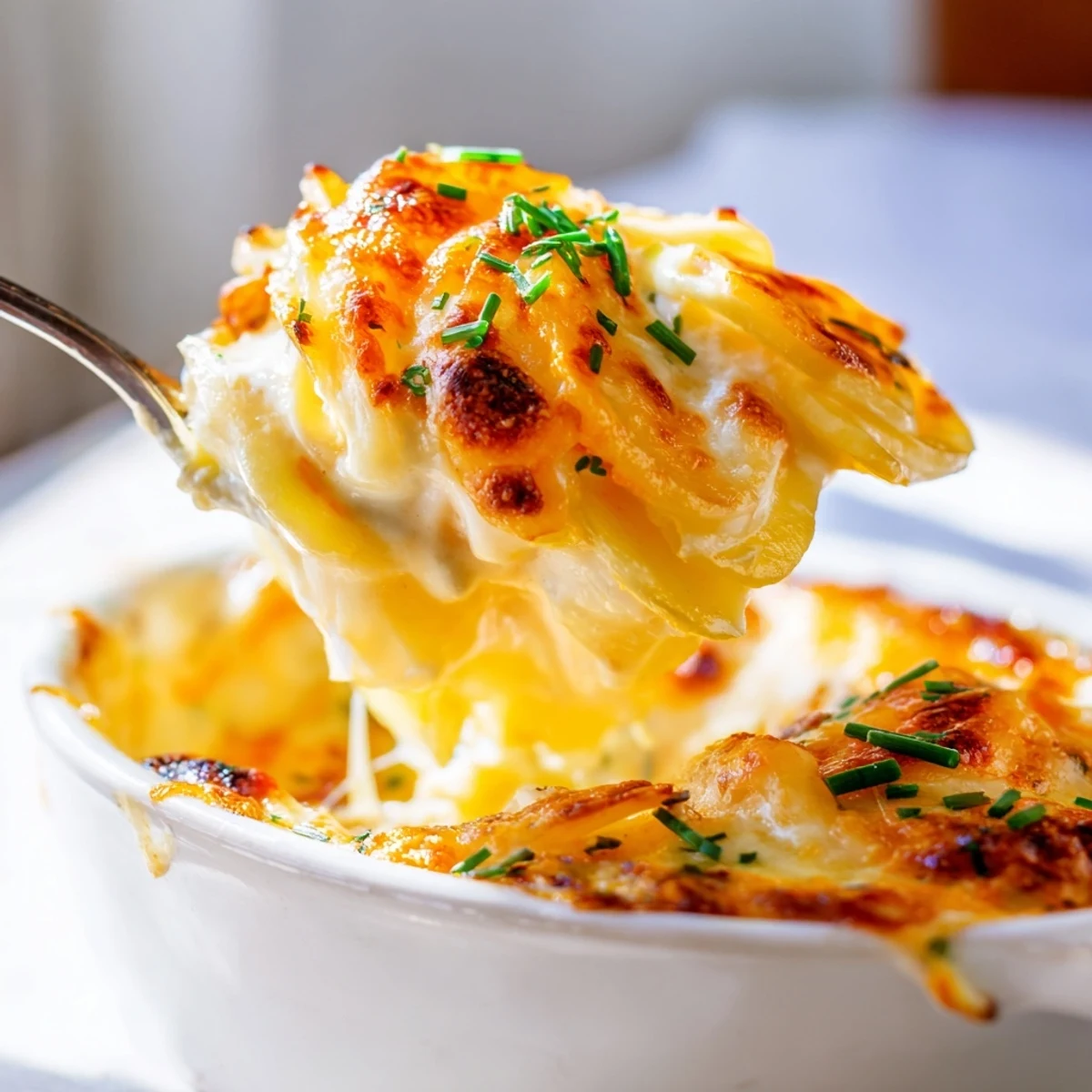
- Top with remaining potatoes, then the rest of the cream sauce, and finish with all remaining cheese. The cheese creates a golden crust while the sauce underneath stays silky.
- Let the oven do the work:
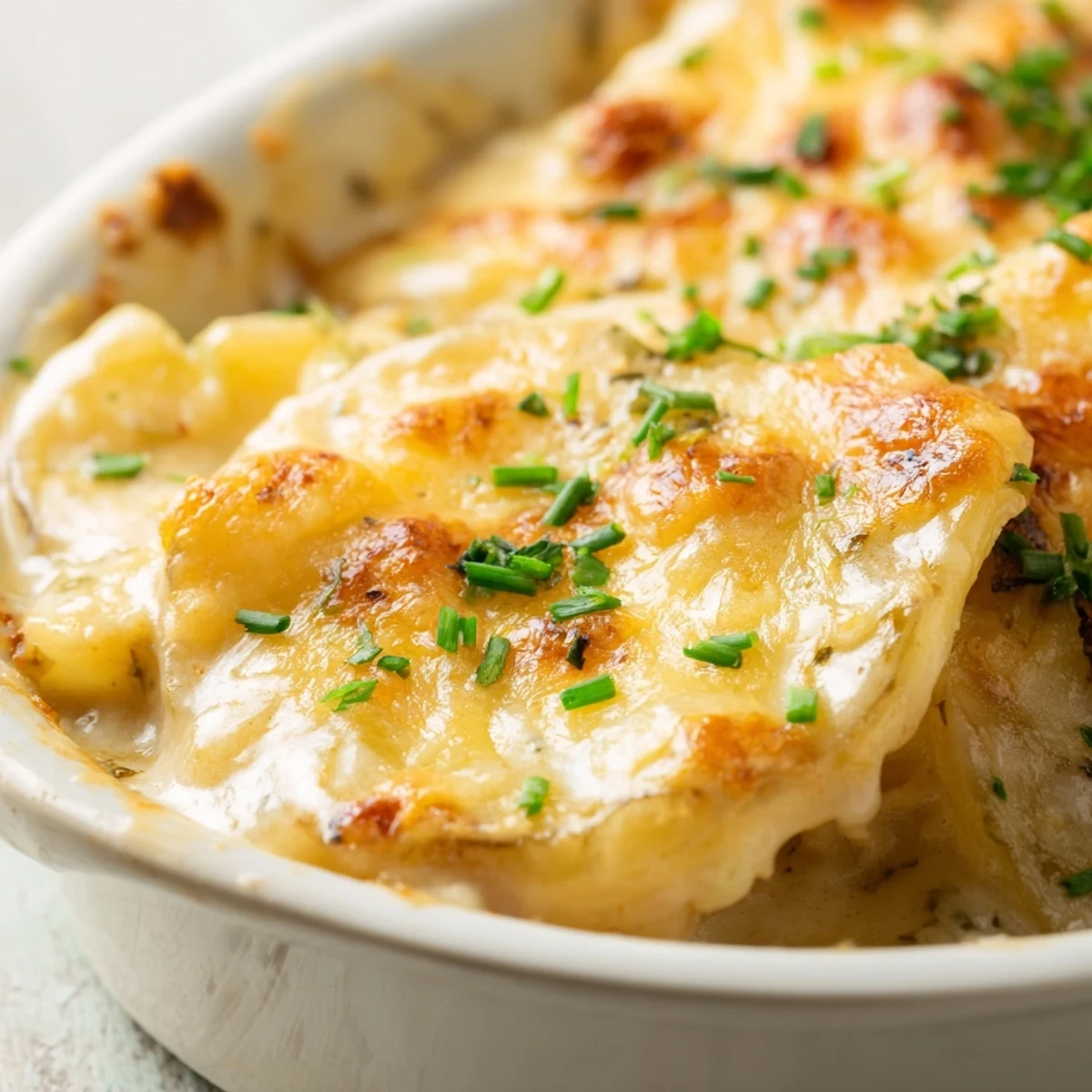
- Cover tightly with foil and bake for 45 minutes—the foil traps steam so the potatoes cook through without the top drying out. Remove the foil and bake another 15 to 20 minutes until the surface is deeply golden and bubbly at the edges, and a knife slides through the potatoes without resistance.
- Rest before serving:
- Let it sit for 10 minutes once it comes out of the oven—this resting period lets the cream set slightly so everything holds together on the plate. Scatter fresh chives or parsley over the top if you have them.
 Pin it
 Years later, I brought this dish to my grandmother's birthday dinner, and she had a second helping while telling a story about teaching my mother to cook. That's when food stopped being just food—it became a way of saying I remember what you taught me, and I'm passing it forward.
Why This Dish Feels Special
Scalloped potatoes sit in that perfect middle ground between weeknight comfort and company-worthy elegance. You can make it with ingredients you already have, but it looks and tastes like you spent all day in the kitchen. There's something about cream and cheese that transforms humble potatoes into something people remember, and that's powerful enough to bring people back to your table.
Making It Your Own
This recipe is a canvas waiting for your own touches. A pinch of cayenne pepper adds heat and sophistication, smoked paprika brings depth, and if you prefer Swiss cheese over Gruyère, no one will judge—this dish is forgiving enough to absorb your preferences. I've seen versions with a breadcrumb topping mixed with herbs, others with leeks instead of onion, and each one tastes like the person who made it.
Timing and Serving
The beauty of this recipe is that you can assemble it hours ahead, cover it tightly with foil, and bake whenever you need it. If you're taking it to a gathering, bake it at home, wrap it in towels to keep it warm, and it travels beautifully. It pairs with roasted chicken, ham, grilled fish, or even just a simple green salad—it's the kind of side that makes the whole meal feel complete.
- Prep your potatoes and make the sauce the morning of if you want, then assemble and bake just before serving.
- For a crowd, this recipe doubles easily; just use a larger baking dish and add about 10 minutes to the baking time.
- Leftovers reheat gently in a 160°C oven covered loosely with foil, and they taste just as good the next day.
 Pin it
 This dish is proof that the simplest ingredients, treated with care and patience, become something memorable. Make it, share it, and watch it become part of your own kitchen stories.