
 Pin it
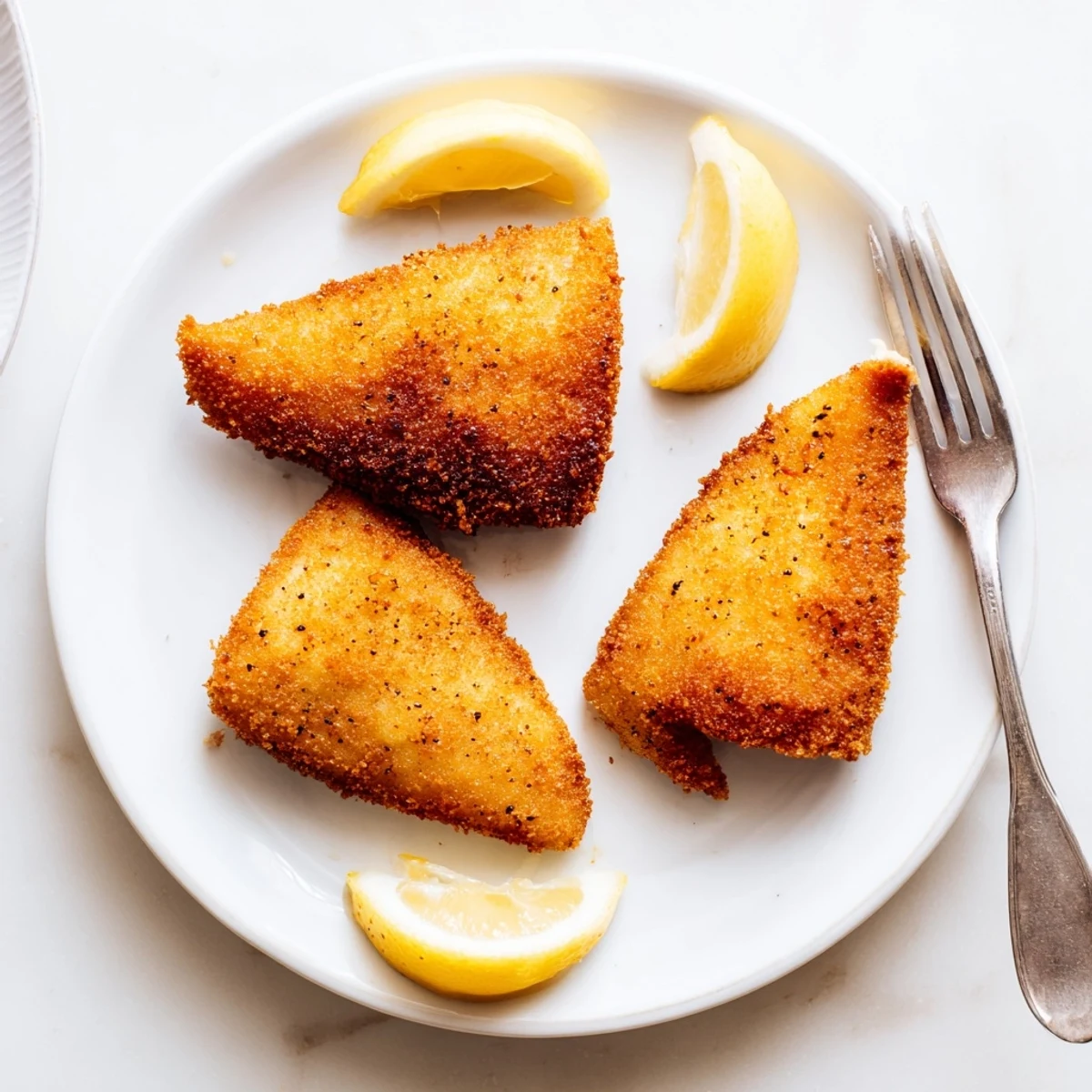
 Create the ultimate Greek appetizer with this simple yet impressive dish featuring firm cheese coated in seasoned flour and pan-fried to golden perfection. The exterior develops a satisfying crunch while the interior becomes irresistibly melty, creating that perfect texture contrast that makes Saganaki so beloved across Mediterranean cuisine.
Ready in just 20 minutes with minimal ingredients, this crowd-pleasing dish works wonderfully as an appetizer or shared plate. The traditional preparation calls for Kefalotyri or Graviera cheeses, though Halloumi and firm feta make excellent alternatives. Serve immediately with fresh lemon wedges for that classic bright finish that cuts through the rich, fried goodness.
The first time I watched a Greek taverna owner flambee Saganaki at our table in Athens, I nearly jumped out of my chair. That sizzle of hitting hot oil and the sudden burst of lemon scent in the air made the whole restaurant pause and smile. Now every time I make this at home, that golden crunch brings me right back to those white-clothed tables overlooking the Aegean.
Last summer I made these for my neighbor's rooftop dinner party, and honestly, they disappeared before I could even set the platter down. My friend Maria, who grew up in Thessaloniki, took one bite and said this was exactly how her grandmother made it after church on Sundays. Something about that simple combination of hot cheese and fresh lemon just transports people.
Ingredients
- Firm Greek cheese: Kefalotyri is traditional but Graviera works beautifully and Halloumi makes a fantastic salty alternative that holds its shape perfectly
- All-purpose flour: This creates that essential crispy shell, and using glutenfree flour works just as well if you need it
- Black pepper: A subtle warmth that cuts through the rich cheese, freshly ground makes all the difference here
- Extra virgin olive oil: The Mediterranean fat that gives this dish its authentic flavor profile
- Lemon wedges: The acid brightens everything and balances the richness, so dont even think about skipping this
Instructions
- Prep your cheese:
- Cut the cheese into even slices about half an inch thick, then pat each piece thoroughly dry with paper towels
- Season the coating:
- Spread flour on a plate and grind fresh pepper over it, then dredge each cheese slice until lightly coated on both sides
- Get the oil hot:
- Heat olive oil in a nonstick skillet over mediumhigh heat until it shimmers but doesnt smoke
- Fry to golden:
- Carefully place cheese in the hot oil and fry for one to two minutes per side until deep golden brown
- Drain and serve:
- Transfer to paper towels briefly, then move to plates and squeeze fresh lemon over while still sizzling hot
 Pin it
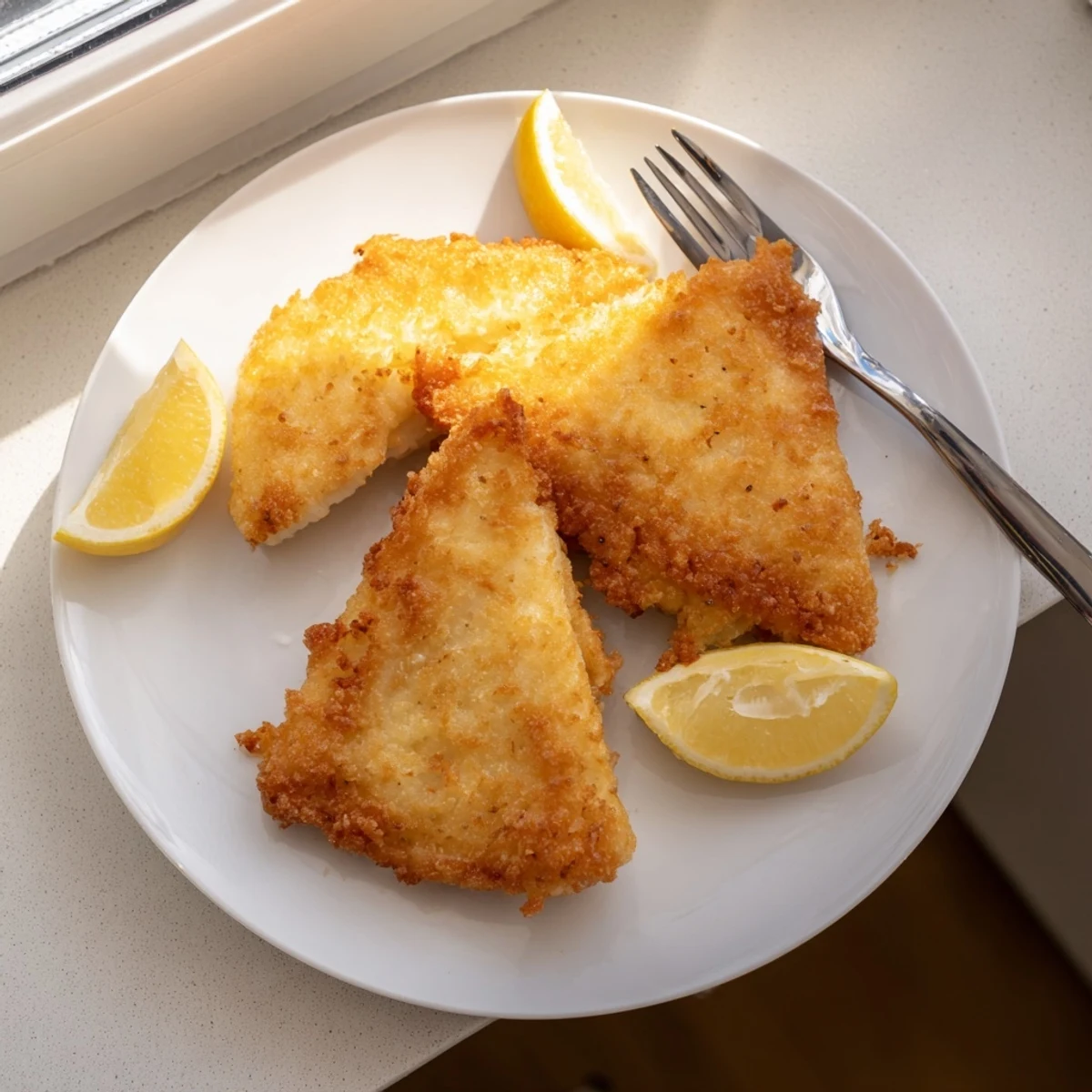
 There was this one rainy Sunday when I made these for my book club, and we ended up abandoning the discussion entirely to just talk about food memories and travel. That hot, lemony cheese somehow made everyone comfortable enough to share stories about their grandmothers kitchens.
Choosing The Right Cheese
Kefalotyri gives you the most authentic experience with its sharp, salty profile, but I have discovered that Halloumi is more forgiving if you are new to frying cheese. It naturally holds its shape better and has that springy texture that people either love or learn to love. Graviera sits somewhere in between with a slightly sweeter, nuttier flavor that pairs exceptionally well with the lemon finish.
Mastering The Crunch
The secret to that restaurantquality crunch lies in not overcrowding the pan. Fry only two or three pieces at a time so the oil temperature stays consistent. I learned this the hard way when I once tried to fry an entire block's worth at once and ended up with soggy, sad cheese that stuck together in one giant mass.
Serving Ideas That Work
This dish shines as part of a meze spread alongside olives, warm bread, and tzatziki. A chilled Assyrtiko or dry Riesling cuts beautifully through the richness. For something different, try drizzling honey over the hot cheese instead of lemon, or sprinkle dried oregano right after frying.
- Make extra because people will absolutely want seconds
- Have your lemon wedges ready before you start cooking
- A warm platter keeps the cheese at the perfect temperature longer
 Pin it
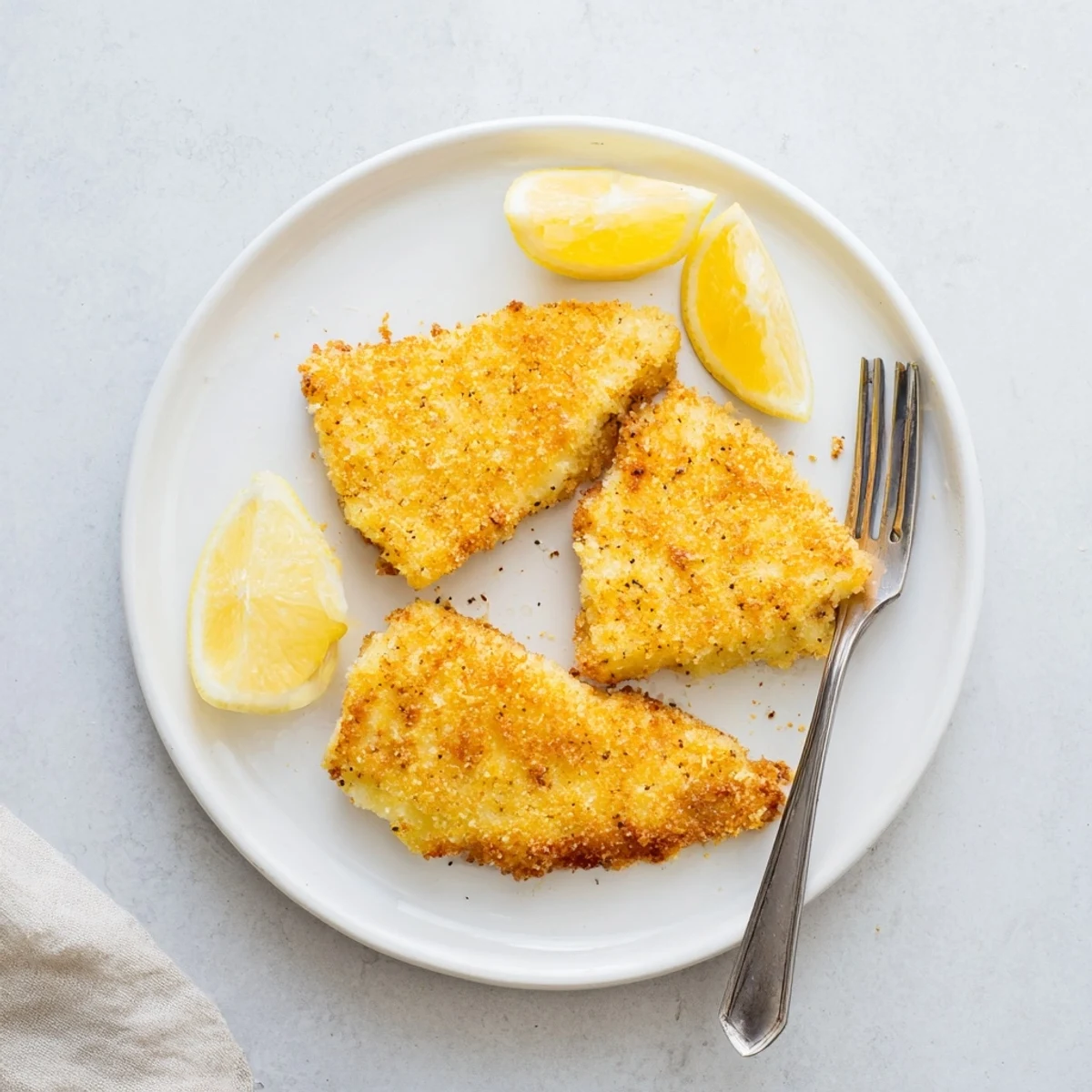
 Somehow this simple dish manages to be both comforting and exciting every single time. Thats the magic of really good fried cheese.
Recipe FAQs
- → What cheese works best for frying?
-
Kefalotyri and Graviera are traditional Greek choices that hold their shape beautifully while developing a creamy interior. Halloumi and firm feta work wonderfully as alternatives, offering similar texture and melting properties.
- → Why must the cheese be patted dry?
-
Removing excess moisture prevents oil splattering during frying and helps the flour coating adhere properly. Dry cheese creates that essential crisp exterior while ensuring the interior melts evenly without becoming watery.
- → Can this be made ahead of time?
-
For optimal texture, serve immediately after frying while the coating is at its crispest and the interior is perfectly melty. The cheese can be cut and dredged in flour ahead of time, then fried just before serving.
- → What other oils can be used?
-
Extra virgin olive oil is traditional and adds authentic Mediterranean flavor. However, avocado oil or grapeseed oil work well for high-heat frying if you prefer a more neutral taste profile.
- → What toppings complement this dish?
-
Fresh lemon wedges are essential for that bright, acidic contrast. Additional toppings like dried oregano, honey drizzle, or even crushed red pepper flakes can add delightful flavor dimensions.
- → Is gluten-free flour coating effective?
-
Gluten-free flour creates an equally crispy coating when seasoned properly. The key is ensuring even coverage and shaking off excess flour to prevent a gummy texture during frying.