
 Pin it
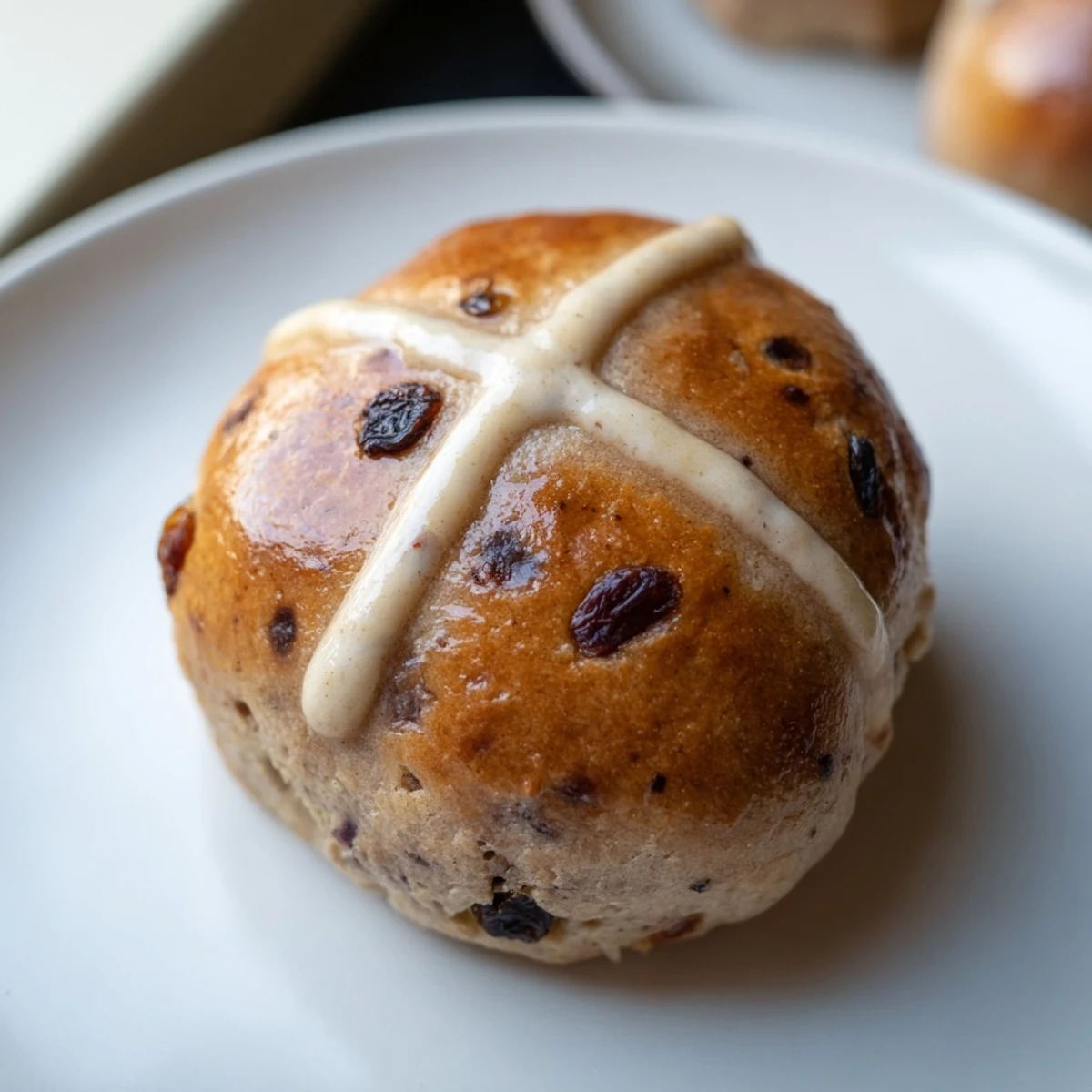
 These soft, lightly spiced buns feature a blend of dried currants, sultanas, and mixed peel for a fruity burst in every bite. The gently sweet dough is flavored with cinnamon, mixed spice, and a hint of lemon zest, then shaped and topped with a characteristic cross made from flour paste. After baking to a golden finish, the buns are glazed with apricot jam for a shiny, flavorful crust. Ideal for a festive breakfast or brunch, they balance spice and sweetness with tender, fluffy texture.
The dough requires kneading and two stages of rising to develop a light crumb. Incorporating both the fruit mix and glaze enhances each bite with layers of flavor. These buns are traditionally served warm and pair wonderfully with butter, making them a comforting treat during holiday gatherings.
Last year my kitchen smelled like cinnamon and warm bread for three straight days while I perfected this recipe. My flatmate kept wandering in, asking if they were ready yet, until finally pulling a fresh bun apart at midnight with butter pooling in the crevices. That first bite—steaming, sweet, and spiced—made every attempt worth it.
I brought a batch to Easter brunch at my sisters house and her kids pretended they were too sophisticated for fruit buns. Within five minutes, they were arguing over who got the last one, sticky fingers and jam smeared everywhere. Sometimes the most traditional recipes win over everyone.
Ingredients
- 500 g strong white bread flour: This high-protein flour gives the buns their signature chew and structure
- 75 g caster sugar: Fine sugar dissolves evenly into the dough for subtle sweetness
- 2 tsp ground mixed spice: The classic British blend that makes these taste unmistakably like Easter
- 1 tsp ground cinnamon: Adds warmth that balances the sweet fruit
- 1 tsp salt: Essential for flavor balance and strengthening the gluten
- 1 lemon, zest only: Bright citrus notes cut through the rich spices
- 10 g instant yeast: Reliable rise without needing to proof beforehand
- 40 g unsalted butter: Creates a tender crumb and rich flavor
- 300 ml whole milk: Warmed slightly, it helps activate the yeast and adds richness
- 1 large egg: Enriches the dough and helps with browning
- 100 g currants: Small but mighty bursts of sweetness throughout
- 50 g sultanas: Larger and juicier than currants for variety
- 50 g mixed peel: The controversial addition that makes these authentic—feel free to swap for more fruit
- 75 g plain flour: For the cross paste—needs to be thick enough to hold its shape
- 5 tbsp water: Adjust until the paste reaches pipeable consistency
- 3 tbsp apricot jam: Warmed and strained gives the professional bakery finish
Instructions
- Mix the dry foundation:
- Combine the bread flour, sugar, mixed spice, cinnamon, and salt in a large bowl, then grate in the lemon zest until fragrant
- Add the yeast:
- Pile the yeast on one side of the bowl away from the salt, which can inhibit its activity
- Form the dough:
- Create a well in the center and add the butter, lukewarm milk, and beaten egg, then mix until a sticky dough forms
- Knead until smooth:
- Turn onto a floured surface and knead for 10 minutes until the dough feels elastic and springs back when pressed
- First rise:
- Place in an oiled bowl, cover, and leave in a warm spot for 1 hour until doubled
- Add the fruit:
- Punch down the risen dough and knead in the currants, sultanas, and mixed peel until distributed
- Shape the buns:
- Divide into 12 pieces, roll each into a smooth ball, and place on a lined baking tray
- Second rise:
- Cover and let rise for 45 minutes until puffy and touching slightly
- Heat the oven:
- Preheat to 200°C (180°C fan) while you prepare the cross paste
- Make the crosses:
- Mix flour and water to a thick paste, pipe crosses on each bun, then bake for 20–25 minutes
- Add the glaze:
- Warm the apricot jam, brush over the hot buns, then cool on a wire rack
 Pin it
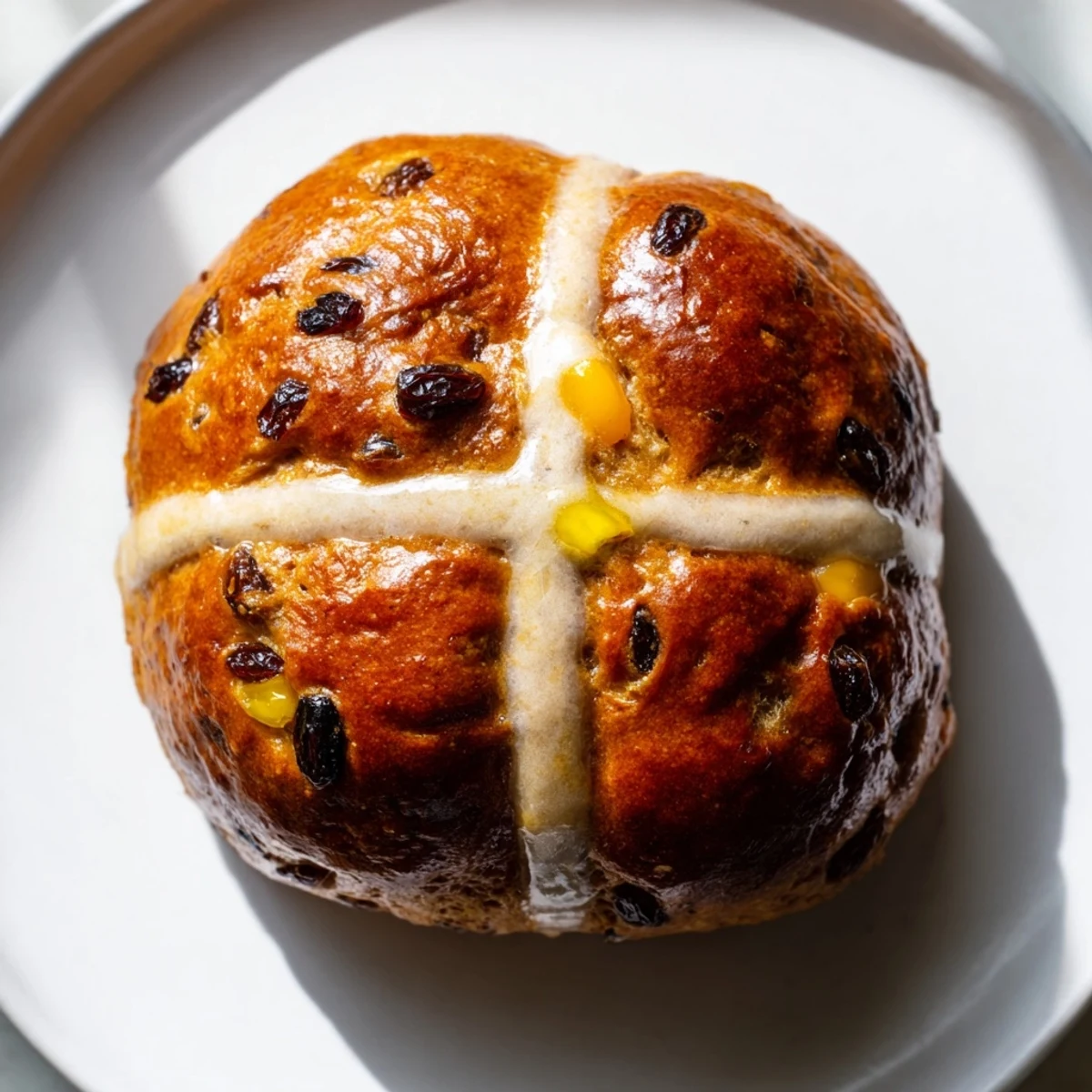
 My grandmother always insisted the cross should be piped, not cut, and after trying both methods I finally understand why. The paste bakes into a slightly different texture, creating that wonderful contrast between soft dough and crisp top.
Getting The Rise Right
Yeast can be finicky, but I have learned that patience matters more than precision. Find the warmest spot in your kitchen—sometimes that means the top of the fridge or near a sunny window—and let the dough do its work without rushing.
Fruit Distribution Secrets
The trick to evenly distributed fruit is kneading it in gently but thoroughly after the first rise. I used to rush this step and end up with buns that were mostly bread with one lonely currant somewhere inside.
Making Them Ahead
These actually freeze beautifully once cooled—wrap them individually and they will last for months. Reheat in a low oven for that fresh-baked warmth.
- Bake up to two days ahead and store in an airtight container
- Refresh day-old buns with 10 minutes in a 160°C oven
- Split and toast leftover buns, then top with clotted cream
 Pin it
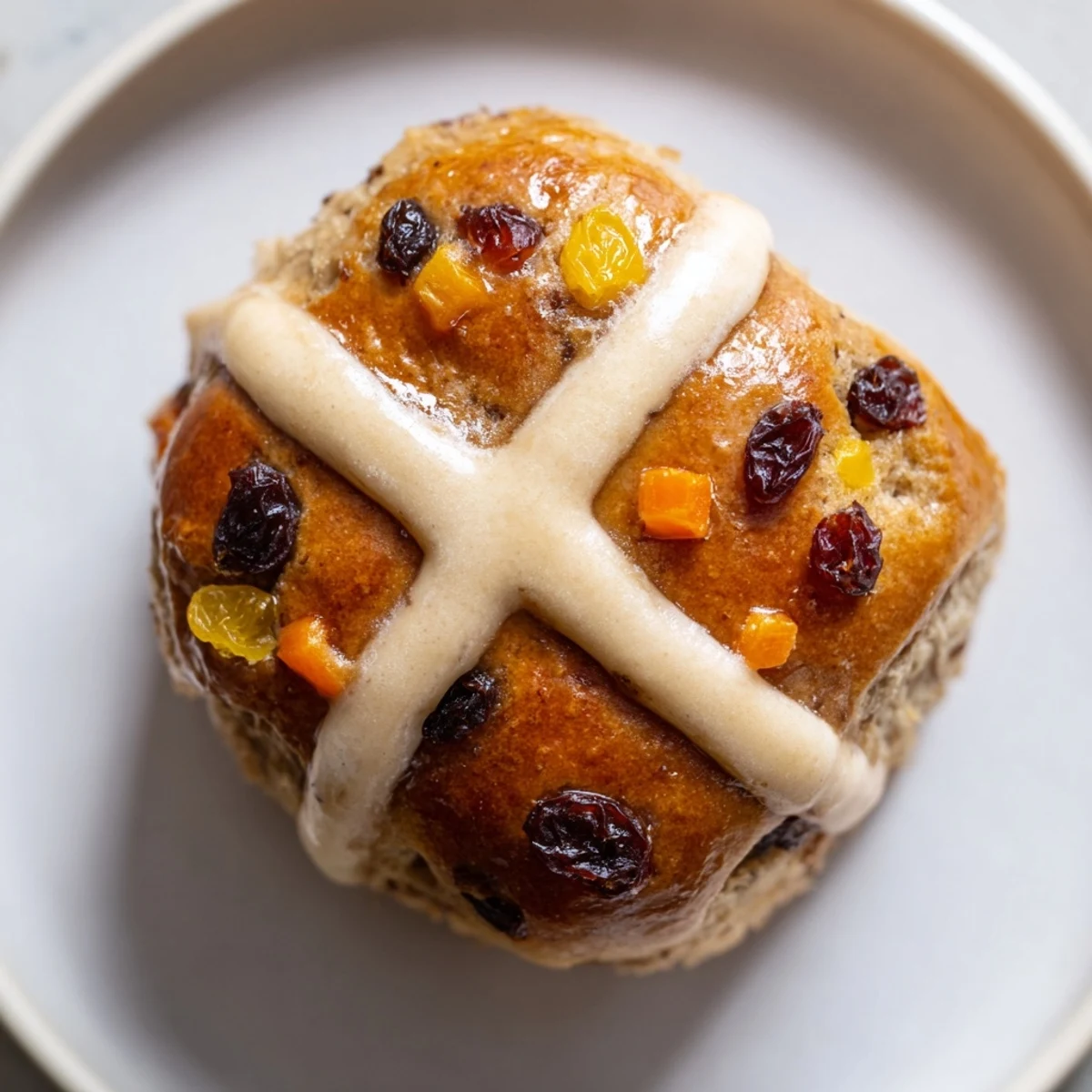
 However you serve them, these buns have a way of making any morning feel like a celebration.
Recipe FAQs
- → What spices are used to flavor the dough?
-
The dough is scented with ground mixed spice, cinnamon, and a touch of lemon zest to add warmth and depth.
- → How do I shape the buns evenly?
-
Divide the dough into equal portions and gently shape each into a smooth ball on a floured surface before the final rise.
- → What is the purpose of the flour paste cross?
-
The flour paste is piped onto each bun before baking to create the iconic cross that distinguishes this bread.
- → How long should the buns rise before baking?
-
Allow the dough to rise until doubled the first time (about 1 hour), then shape the buns and let them puff up for 45 minutes before baking.
- → What is the best way to glaze the buns?
-
Warm apricot jam slightly and brush it over the hot buns right after baking for a glossy, flavorful finish.
- → Can I substitute the mixed peel with other dried fruits?
-
Yes, mixed peel can be swapped with additional sultanas or other preferred dried fruits to suit taste.