
 Pin it
 Découvrez comment préparer un délicieux lait de coco frais chez vous en seulement 10 minutes. Cette méthode simple utilise de la noix de coco râpée et de l'eau chaude pour créer une boisson végétalienne versatile. Le résultat est un lait crémeux parfait pour le café, les curry, les smoothies ou les desserts. Conservez-le au réfrigérateur jusqu'à 4 jours et secouez bien avant utilisation.
There was this rainy Sunday morning when I decided to make my own coconut milk just because I had a bag of shredded coconut sitting in the pantry and refused to go to the store. The blender whirring, that first whiff of tropical aroma filling my tiny kitchen, suddenly transporting me somewhere far from the gray sky outside. I realized then that some of the best kitchen discoveries happen exactly like this - stubborn curiosity mixed with a little boredom and whatever ingredients you have on hand.
Last summer my sister visited and watched me make this, absolutely convinced I was doing something complicated. She stood there with her coffee mug raised, expecting me to pull out some secret gadget or exotic ingredient. When I poured the finished milk into a glass jar she tasted it, eyes wide, and immediately asked how she had been buying the canned stuff for years without realizing how simple the real thing actually is.
Ingredients
- Unsweetened shredded coconut: The dried flakes work perfectly here and rehydrate beautifully in hot water to release all that natural coconut fat and flavor
- Hot water: Use water that is hot but not boiling - too hot can sometimes make the milk separate or taste slightly cooked
Instructions
- Blend everything together:
- Toss the coconut into your blender, pour in the hot water, and let it run on high speed for about three minutes until the mixture looks thick and creamy with no visible chunks
- Strain through a cloth:
- Pour everything through a nut milk bag or clean cheesecloth into a large bowl, squeezing and pressing with your hands to extract every last drop of liquid
- Store it properly:
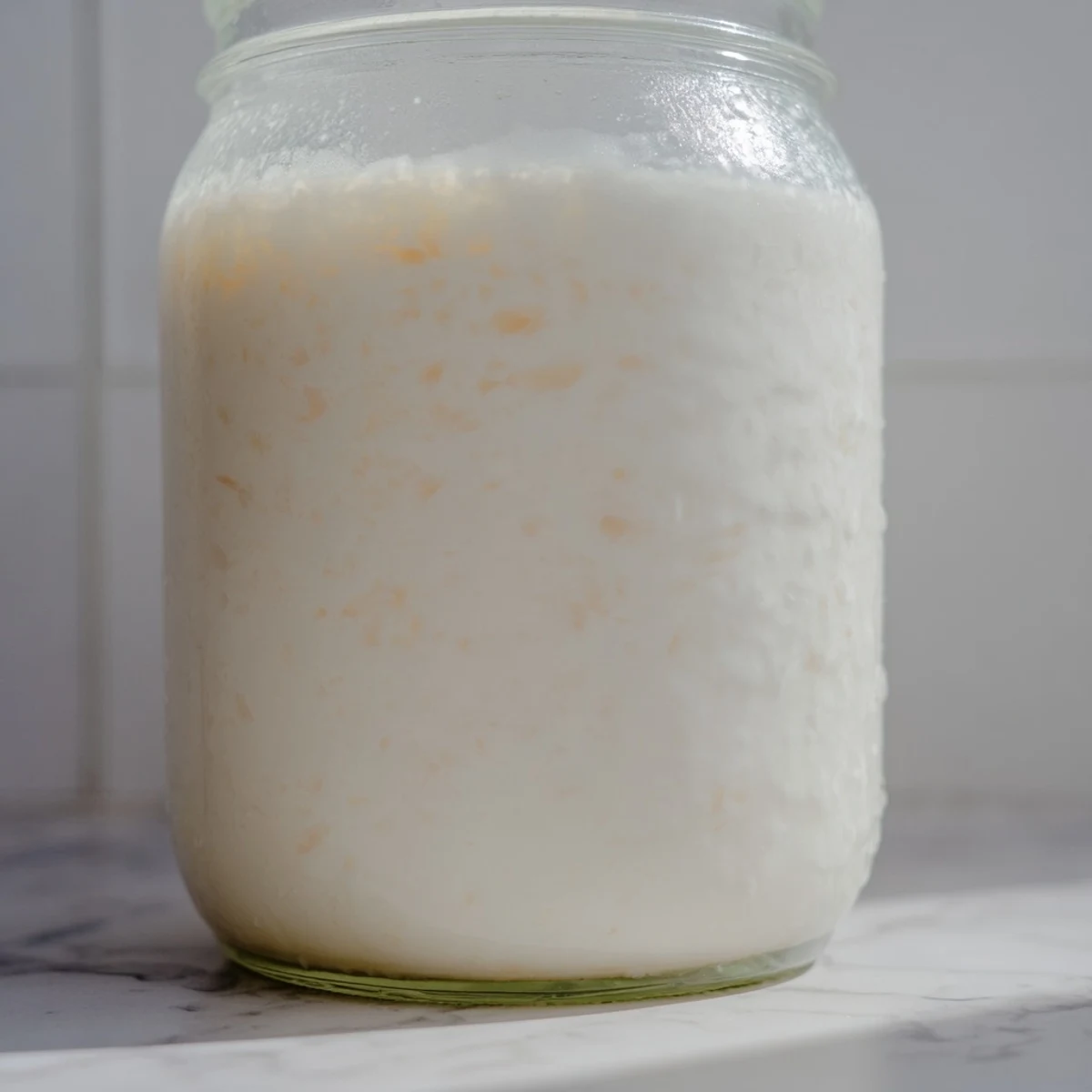
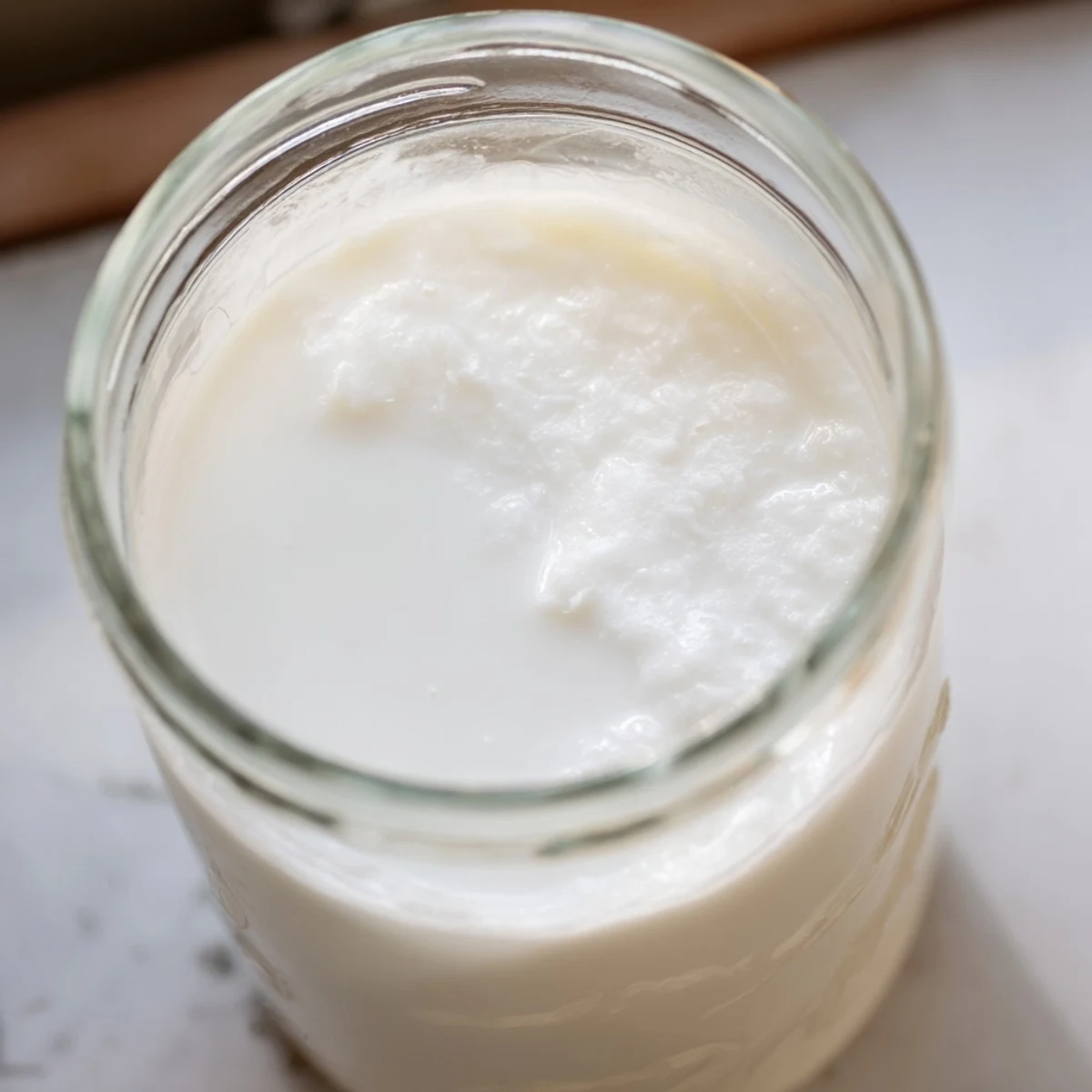
- Funnel the fresh coconut milk into a clean glass bottle and refrigerate immediately, giving it a good shake before each use
 Pin it
 This recipe became my go-to when I started making Thai curries at home and realized the canned version was giving everything a weird metallic aftertaste. Now I keep a jar in the fridge always, and somehow having it there makes me more likely to whip up impromptu smoothies or drizzle some over my morning oatmeal just because I can.
Sweetening Options
Sometimes I add a tablespoon of maple syrup right into the blender, especially if I know I will be using the milk for smoothies or coffee drinks. The sweetness balances the natural coconut flavor and makes it feel more like a treat than an ingredient.
Using The Pulp
Do not throw away that squeezed coconut pulp - spread it on a baking sheet and dry it in a low oven to make coconut flour for baking. Or just fold it into your morning oatmeal where it adds wonderful texture without any waste.
Storage And Uses
The milk keeps for about four days in the refrigerator, though honestly it rarely lasts that long in my house. I have used it in everything from curry dishes to overnight oats, and it even froths up surprisingly well in latte drinks.
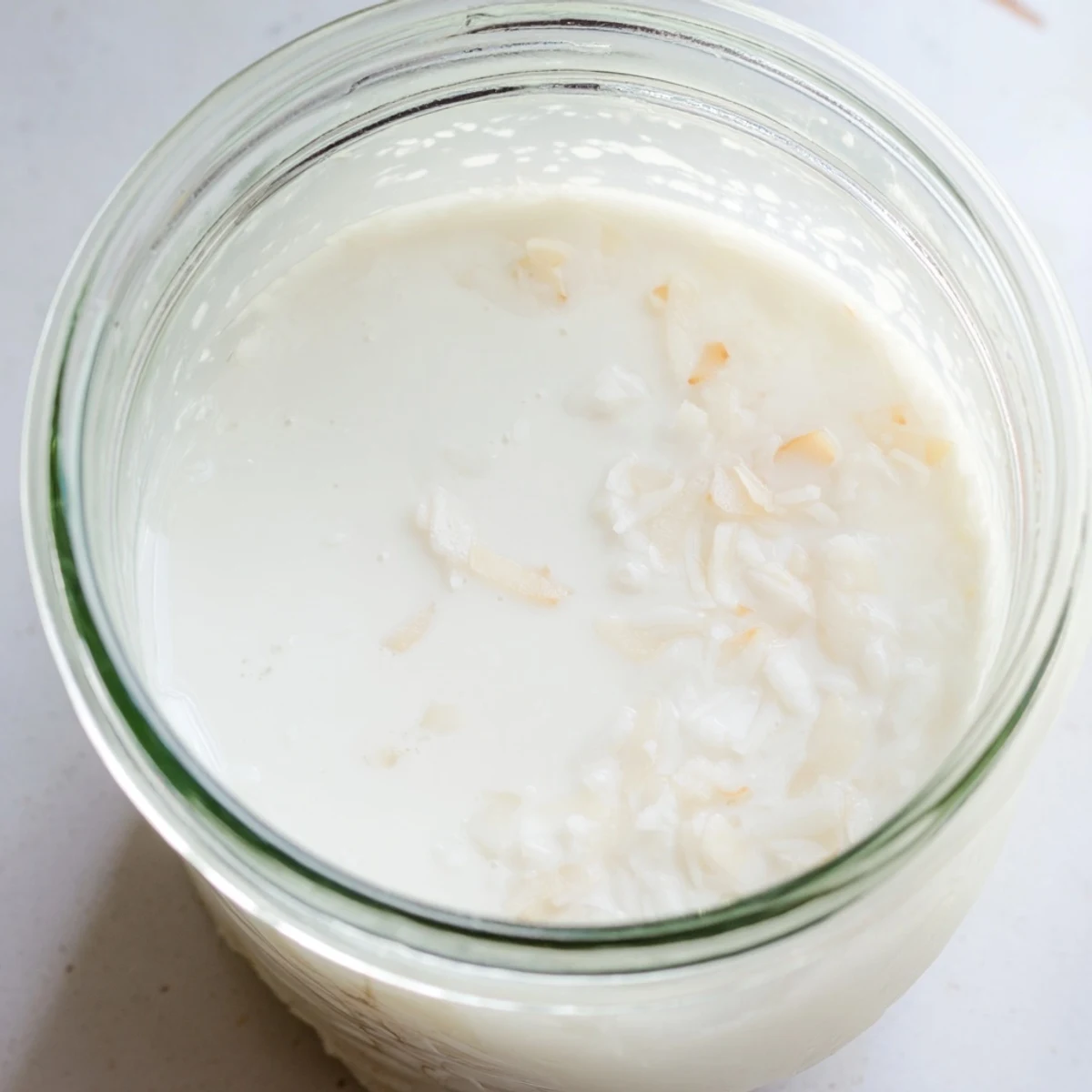
- Always shake the bottle vigorously before pouring since the cream rises to the top
- If it smells sour or off before four days trust your nose and compost it
- Double or triple the batch because having extra coconut milk around is never a bad problem
 Pin it
 Once you make your own coconut milk, the canned stuff will never taste quite right again.
Recipe FAQs
- → Combien de temps se conserve le lait de coco maison ?
-
Le lait de coco maison se conserve au réfrigérateur jusqu'à 4 jours dans une bouteille hermétique. Secouez bien avant chaque utilisation car la matière grasse peut remonter à la surface.
- → Peut-on congeler le lait de coco préparé ?
-
Oui, vous pouvez congeler le lait de coco dans des bacs à glaçons ou des contenants hermétiques. La texture peut légèrement changer après décongélation mais il reste parfait pour la cuisson.
- → Que faire avec la pulpe restante après filtrage ?
-
La pulpe de coco restante peut être séchée au four pour obtenir de la coco râpée séchée, utilisée en pâtisserie ou ajoutée aux granolas et mueslis pour plus de texture et de saveur.
- → Pourquoi utiliser de l'eau chaude et non bouillante ?
-
L'eau chaude (environ 60-70°C) permet d'extraire les saveurs et les gras sans cuire la coco. L'eau bouillante pourrait altérer le goût et rendre l'extraction moins efficace.
- → Est-ce possible de sucrer le lait de coco ?
-
Absolument, ajoutez une cuillère à soupe de sirop d'érable, de miel ou de sucre de coco pendant le mixage. Pour une version sucrée naturelle, vous pouvez aussi ajouter quelques dates.