
 Pin it
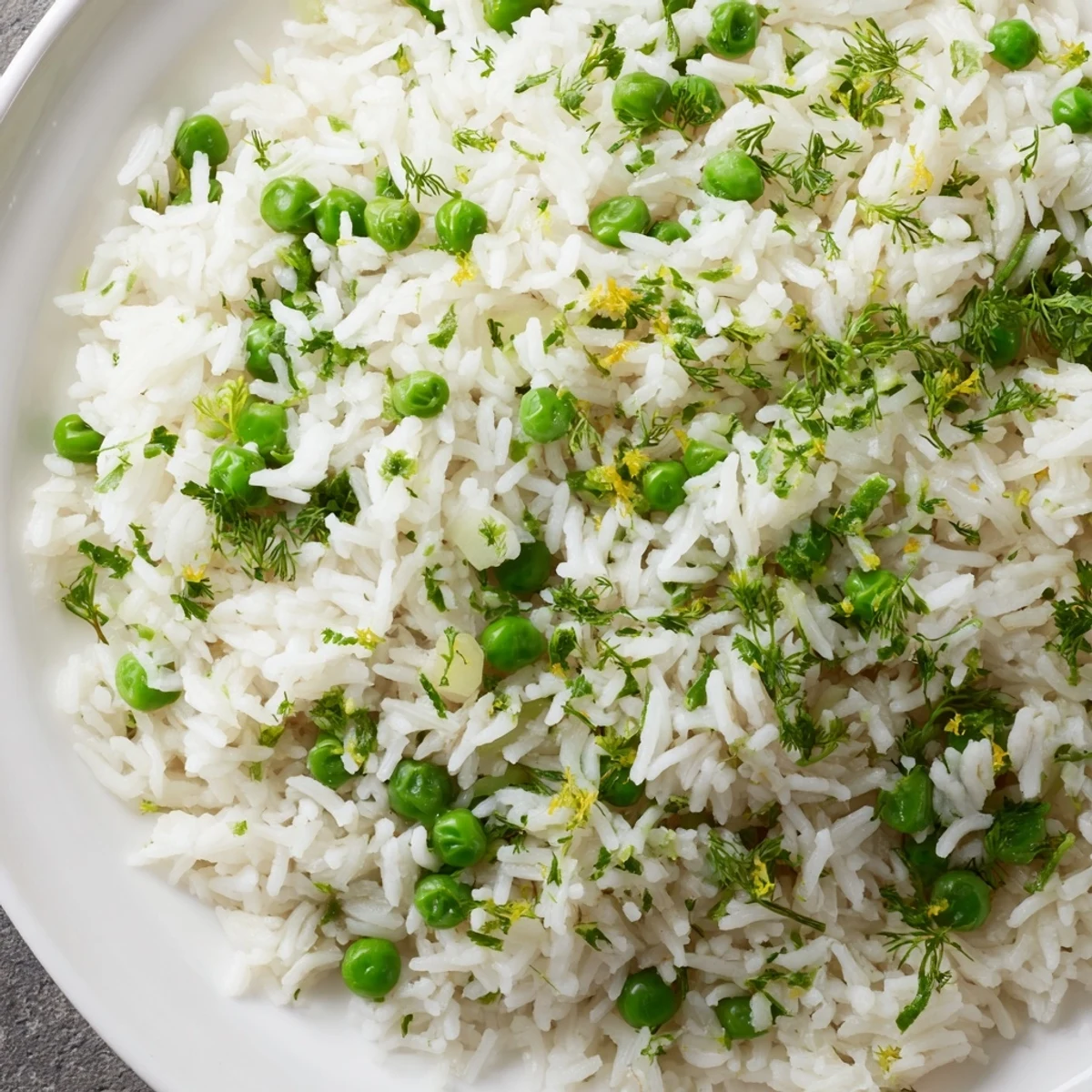
 This vibrant lemon herb rice pilaf combines long-grain rice with bright lemon juice and zest, fresh parsley, dill, and chives, and sweet green peas. Sautéed onion and garlic add depth, while vegetable broth gently simmers the grains to tender perfection. The dish is finished by folding in herbs and seasoning for a fresh, aromatic side that complements many main courses. Ideal for quick preparations and adaptable with butter or olive oil.
There's something about the smell of butter hitting a hot pan that makes me slow down and pay attention. I discovered this lemon herb rice pilaf on an ordinary Wednesday when I had company coming and wanted something that felt special but didn't demand hours in the kitchen. The kitchen filled with the aroma of toasted rice and fresh herbs before the first guest arrived, and I realized this simple dish had already done half the work of making everyone feel welcome.
I made this for a friend who'd just moved to a new apartment with a tiny kitchen, and watching her face light up when she tasted it made me understand why simple food often means the most. She asked for the recipe that same evening, and now it's become her go-to when she needs to feel grounded in her own space.
Ingredients
- Long-grain white rice, 1 cup rinsed: Rinsing removes excess starch and keeps each grain separate and fluffy rather than gluey.
- Vegetable broth, 2 cups: Use good quality broth—it's the foundation of flavor, so don't reach for the sad cardboard box in the back of your pantry.
- Fresh lemon juice and zest: The juice brightens the broth while the zest adds little bursts of citrus oil that make people wonder what you're hiding in there.
- Small onion, finely chopped: This dissolves into the rice almost invisibly, adding sweetness and depth without any bite.
- Garlic, 2 cloves minced: Thirty seconds is all you need—add it too early and it burns, add it too late and you'll taste raw garlic sharpness.
- Fresh parsley, dill, and chives: This trio matters more than you'd think; together they create a garden-fresh flavor that bottled herbs can't quite capture.
- Frozen green peas, 1 cup: They thaw perfectly in the residual heat, turning bright green and sweet.
- Unsalted butter or olive oil, 2 tablespoons: Either works beautifully—butter for richness, olive oil if you want something lighter or vegan.
Instructions
- Heat your fat and soften the onion:
- Melt the butter over medium heat until it stops foaming, or warm olive oil until it shimmers slightly. Add the onion and let it cook for about three minutes, stirring occasionally—you're listening for the sound to soften from a sharp crunch to something almost silent, knowing the onion is turning translucent.
- Wake up the garlic:
- Stir in the minced garlic and cook for just thirty seconds, moving it around constantly so it releases its aroma without browning. You'll smell it transform from raw and sharp to mellow and sweet.
- Toast the rice:
- Add the rinsed rice and stir it in the hot fat for one to two minutes. This step sounds small but it's where the rice develops a subtle nutty flavor that makes the whole dish more interesting.
- Add liquid and bring to a boil:
- Pour in the vegetable broth along with the lemon juice and zest. Stir once, watch it come to a boil—you'll see the surface bubble and hear the slight roar—then immediately lower the heat to its gentlest setting.
- Cover and let time do the work:
- Place the lid on the saucepan and set a timer for fifteen minutes. Resist the urge to peek; steam is cooking the rice invisibly, grain by grain.
- Introduce the peas and finish cooking:
- Lift the lid carefully to avoid the burst of steam, stir in the frozen peas gently, and cover again for five more minutes. The peas heat through while the last grains of rice absorb the remaining liquid.
- Fluff and season:
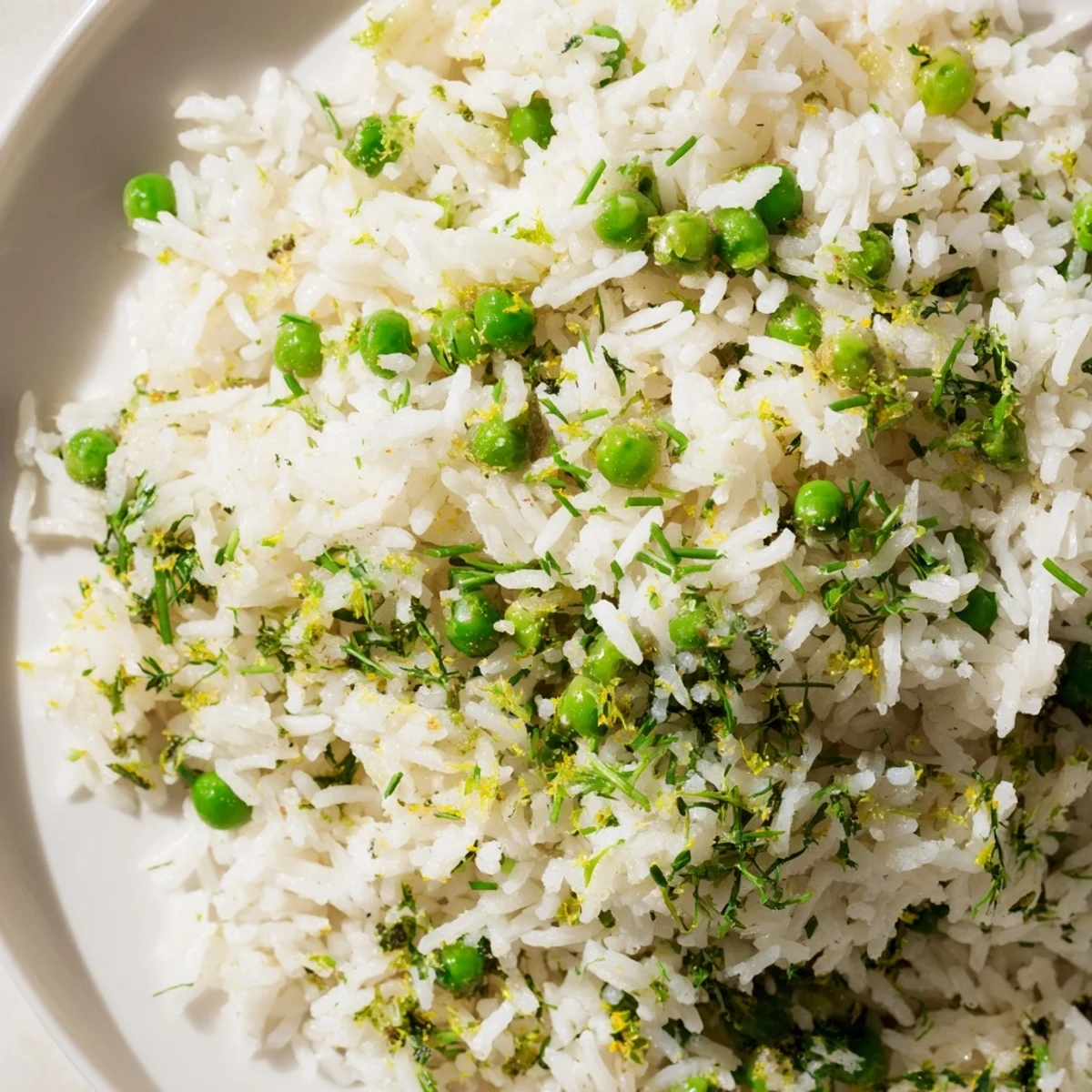
- Turn off the heat and let the rice rest for a moment. Use a fork to fluff it gently, then fold in the fresh herbs, salt, and pepper—this is where the rice transforms from plain to something people will ask about.
 Pin it
 One evening a guest asked for seconds and then thirds, and halfway through his third plate he asked what made it taste so vibrant. I realized that this pilaf had quietly become one of those dishes that disappears from the table before you can even plate it—not because it's complicated, but because it proves that simple ingredients treated with attention create something memorable.
Flavor Layers That Surprise
What makes this pilaf more interesting than plain rice is how the flavors build on each other. The lemon zest adds brightness, the fresh herbs introduce a garden-fresh quality that dried herbs never achieve, and the toasted rice contributes a subtle nuttiness underneath everything else. When you taste it, you're tasting the result of several small decisions working together, not just hot grains.
How to Make It Your Own
This recipe is a foundation that welcomes your creativity without demanding it. Some cooks add a pinch of white wine before the broth, others stir in toasted nuts at the end for texture, and I've made it with brown rice when I wanted something earthier and didn't mind the longer cooking time. The core technique stays the same; everything else is yours to adjust.
Beyond the Side Dish
This pilaf is patient and forgiving enough to appear at any table, whether you're cooking a simple weeknight dinner or something more formal. It pairs beautifully with grilled fish, roasted vegetables, or chicken, but it's also substantial enough to be the main event if you add protein or nuts. The beauty of it is that it never seems humble, even though it asks so little from your time and skill.
- Make it vegan by using olive oil instead of butter and checking that your broth is vegetable-based.
- Leftovers reheat gently with a splash of water and a lid, becoming almost better as the flavors settle and deepen.
- Double the recipe confidently; it scales beautifully and keeps well in the refrigerator for three days.
 Pin it
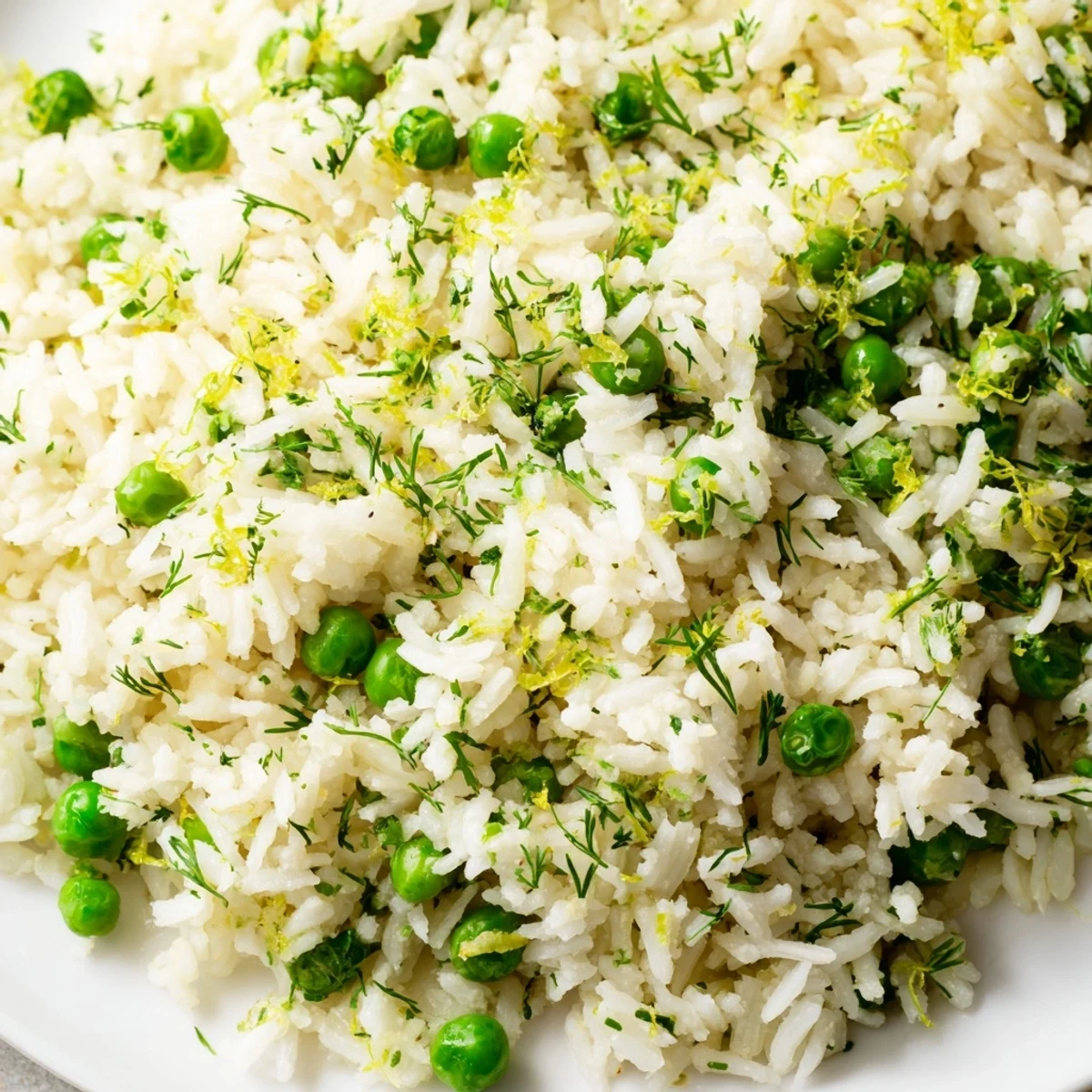
 This pilaf has taught me that the most satisfying food doesn't require complexity, just care and attention to small moments—the smell of butter, the color of the rice turning translucent, the moment you fold in herbs that turn everything bright. It's become the side dish I turn to when I want people to feel welcomed at my table.
Recipe FAQs
- → Can I use brown rice instead of white?
-
Yes, substituting brown rice will add a nuttier flavor but requires longer cooking time and additional liquid.
- → Is it possible to make this dish vegan?
-
Absolutely. Replace butter with olive oil to keep the pilaf vegan-friendly without compromising taste.
- → What herbs work best in this pilaf?
-
Fresh parsley, dill, and chives are ideal for a bright, aromatic profile that complements the lemon notes.
- → Can I prepare this pilaf ahead of time?
-
Yes, it reheats well. Store in an airtight container and gently warm on the stovetop or microwave before serving.
- → What dishes pair well with this pilaf?
-
This pilaf complements grilled chicken, fish, roasted vegetables, or a variety of Mediterranean mains.